
Summary
Starting this April, drivers across India will see a change in their travel expenses as the FASTag annual pass price increases. The new rate for the yearly pass has been set at Rs 3,075. This update is part of the yearly price revisions for highway usage and will affect how much frequent travelers pay at toll plazas. The change aims to help maintain the national highway network while keeping the digital payment system running smoothly.
Main Impact
The primary impact of this price hike will be felt by people who use national highways almost every day. This includes daily commuters who live in one city and work in another, as well as small business owners who move goods locally. While the digital system has made travel faster, the rising cost of the annual pass means families and businesses will need to adjust their monthly budgets. For many, the convenience of not stopping at a toll booth is still worth the cost, but the increase adds to the overall expense of owning and driving a vehicle in India.
Key Details
What Happened
The National Highways Authority of India (NHAI) has officially updated the pricing for the FASTag annual pass. This pass allows vehicles to move through toll plazas more easily without paying for every single trip individually. The new price is a standard adjustment that usually happens at the start of the new financial year in April. Authorities have stated that the update is necessary to match the rising costs of road maintenance and the technology used to manage the tolling system.
Important Numbers and Facts
The most important figure for drivers to remember is Rs 3,075. This is the total amount required to renew or purchase the annual pass starting from April 1. It is also important to note that this price applies to private light motor vehicles. Commercial vehicles and larger trucks usually have different rates based on their size and weight. Drivers are encouraged to check their FASTag accounts before the end of March to ensure they have enough balance or to renew their passes before the new rates take full effect.
Background and Context
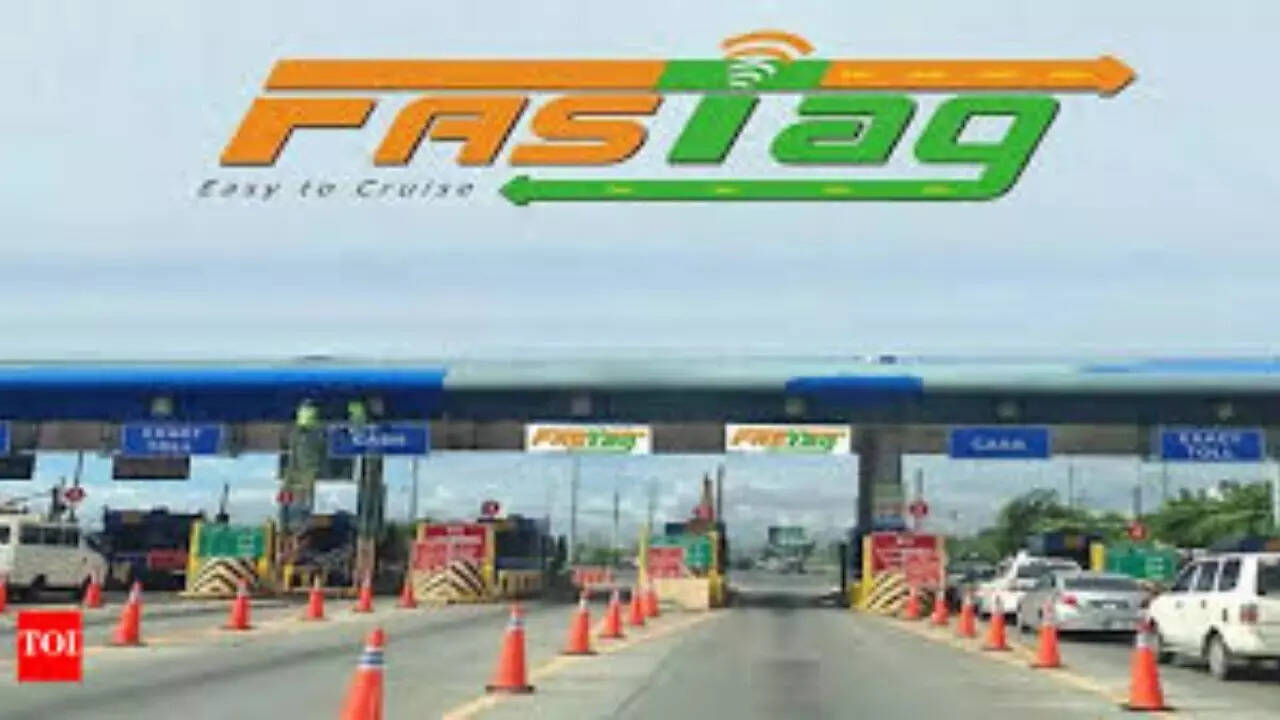
FASTag is a system that uses a small sticker on a car's windshield. This sticker has a special chip inside called Radio Frequency Identification (RFID). When a car passes through a toll gate, a scanner reads the chip and automatically takes the money from a linked bank account or wallet. This system was made mandatory a few years ago to stop the long traffic jams that used to happen when everyone paid with cash.
Before FASTag, it was common for drivers to wait for 20 to 30 minutes at busy toll plazas. Now, most cars can pass through in just a few seconds. The government has also been working on a "One Vehicle, One FASTag" rule. This rule ensures that one tag is only used for one specific car, which helps prevent fraud and makes it easier to track traffic patterns across the country.
Public or Industry Reaction
The reaction to the price increase has been mixed. Many regular drivers feel that the cost of road travel is becoming too high, especially with fuel prices staying steady. Transport groups have mentioned that higher toll costs can lead to a slight increase in the price of goods, as trucks and delivery vans have to pay more to move items from farms to cities.
On the other hand, some travel experts say that the price hike is fair because the quality of highways has improved significantly. They argue that better roads lead to less damage to cars and lower fuel use, which saves money in the long run. Most people agree that the digital system is much better than the old cash system, even if it costs a bit more each year.
What This Means Going Forward
Looking ahead, the government is planning even more changes to how we pay for road use. There are tests currently happening for satellite-based tolling. This new technology would use GPS to track where a car enters and leaves a highway. Instead of paying a fixed fee at a gate, drivers would only pay for the exact number of kilometers they drive.
Until that technology is ready for everyone, FASTag will remain the main way to pay. Drivers should make sure their tags are active and that their KYC (Know Your Customer) details are updated. If a tag is not working or does not have enough money, drivers often have to pay double the toll amount as a penalty. Staying informed about these price changes helps avoid surprises at the toll booth.
Final Take
The move to a Rs 3,075 annual pass is a clear sign that digital tolling is here to stay. While the price increase might be an extra burden for some, the time saved on the road remains a major benefit. As the country continues to build more expressways, these fees will likely continue to evolve. For now, the best move for any driver is to check their digital wallet and prepare for the new rates starting in April.
Frequently Asked Questions
When does the new FASTag price start?
The new annual pass price of Rs 3,075 will go into effect on April 1. Drivers should renew their passes before this date if they want to avoid any confusion at toll plazas.
What happens if I don't have enough balance in my FASTag?
If your FASTag balance is too low, the toll gate may not open, or you might be asked to pay double the normal toll rate in cash or through a digital payment. It is always best to keep your account topped up.
Can I use the same FASTag for two different cars?
No, the "One Vehicle, One FASTag" rule means that each tag is linked to a specific vehicle's registration number. Using one tag for multiple cars can lead to the tag being blacklisted.



