
Summary
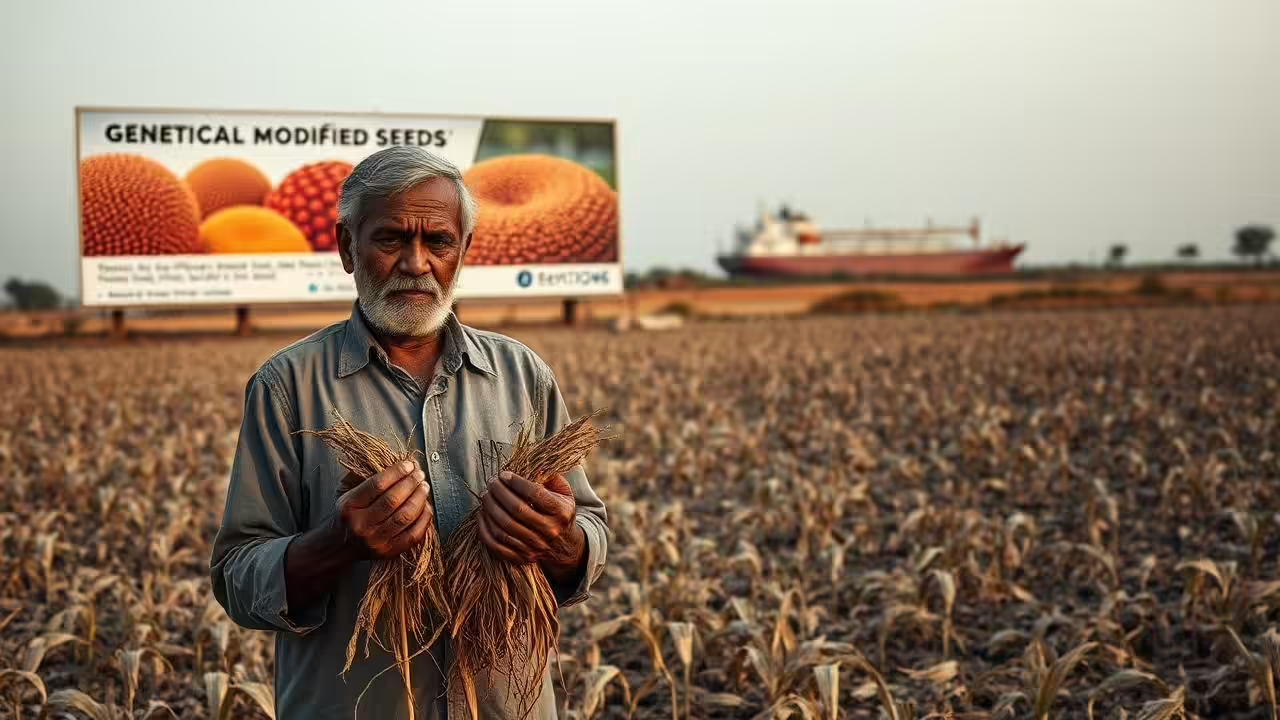
A group of Indian farmers and social activists are calling on the government to reject any deals that would allow the import of genetically modified (GM) farm products. These groups are raising their voices as India and the United States enter a new round of trade talks. The main worry is that the US might pressure India to change its strict rules on GM foods to help American companies sell more products here. Activists believe that allowing these imports could harm the health of citizens and the livelihoods of local farmers.
Main Impact
The biggest impact of this situation is the potential change in how India manages its food safety and farming rules. For many years, India has maintained a very cautious stance on GM crops. If the government gives in to trade pressure, it could lead to a flood of cheap, lab-altered food products entering the Indian market. This would not only affect what people eat but also put local farmers at a disadvantage. Indian farmers often grow traditional crops, and they fear they cannot compete with the massive, subsidized GM farms in the United States.
Key Details
What Happened
As trade officials from India and the US meet to discuss economic ties, several civil society groups and farm unions have sent formal requests to the Indian government. They are asking the Ministry of Commerce and other leaders to keep GM products out of any trade agreements. These groups argue that the US has been trying for years to get India to lower its barriers for GM soy, corn, and other processed foods. The activists want the government to prioritize the safety of the public over the benefits of a trade deal.
Important Numbers and Facts
Currently, India only allows the commercial farming of one GM crop, which is Bt cotton. This crop is used for clothing and industrial purposes, not for direct human food. While some GM oil is imported, the rules for direct food crops remain very tight. In contrast, over 90% of the corn and soy grown in the United States is genetically modified. The US is one of the world's largest exporters of these products and views India as a massive potential market. Farm groups in India represent millions of small-scale workers who rely on traditional seeds and natural farming methods to survive.
Background and Context
Genetically modified organisms, or GMOs, are plants or animals that have had their DNA changed in a laboratory. This is usually done to make the plants grow faster, resist bugs, or survive strong weed-killing chemicals. While some scientists say these crops are safe and help produce more food, many others are worried about the long-term effects. In India, the debate over GM food has been going on for decades. Many people are concerned that GM seeds are owned by large foreign corporations, which could take power away from local farmers. There are also worries that GM crops could mix with natural plants and ruin the country's natural variety of seeds.
Public or Industry Reaction
The reaction from farm unions has been very strong. Leaders of these groups say that the government must protect "seed sovereignty," which means the right of farmers to save and use their own seeds. They argue that if India starts importing GM food, it will eventually lead to GM farming across the country. Environmental groups have also joined the protest, pointing out that India does not have the tools to properly monitor the health effects of GM foods over a long period. On the other side, some trade experts suggest that India needs to be flexible to improve its relationship with the US, but the public pressure to keep food "GM-free" remains a powerful force in Indian politics.
What This Means Going Forward
The next few months will be critical for India’s trade policy. The government has to find a way to keep a good relationship with the US without upsetting millions of farmers at home. If the government decides to allow GM imports, it could face large protests across the country. There is also the question of labeling. If GM foods are allowed, the government will need to create strict rules so that consumers know exactly what they are buying. For now, the government has not made a final decision, but the pressure from civil society shows that this will be a very difficult topic to resolve in any trade deal.
Final Take
The fight over GM food imports is about more than just trade; it is about who controls the food on our plates. While trade deals can help the economy grow, the health of the people and the independence of farmers are just as important. The Indian government faces a tough choice between global economic pressure and the demands of its own citizens to keep the food supply natural and safe.
Frequently Asked Questions
What is GM food?
GM food comes from plants that have had their genetic material changed in a lab to give them specific traits, like being able to survive certain chemicals or pests.
Why are Indian farmers against GM imports?
Farmers fear that cheap GM imports will lower the price of their own crops. They also worry that large foreign companies will gain too much control over the seeds used in farming.
Does India currently allow GM food?
India has very strict rules. While it allows GM cotton for industrial use, it has not approved the widespread farming or import of most GM food crops for direct human consumption.



