
Summary
An Indian man has come forward to share his story after a popular YouTuber falsely accused him of being a pedophile. The man explained how a single viral video destroyed his reputation and turned his life upside down. He spoke about the deep emotional pain caused by the false claims and the impact they had on his family. This case highlights the growing danger of social media creators who act like police without having any facts.
Main Impact
The main impact of this incident is the total destruction of a person's social and professional life based on a lie. When a YouTuber with a large following makes a serious accusation, the internet often believes it immediately without asking for proof. For the victim, this meant facing a wave of hate, threats, and shame in his local community. It also shows how "vigilante" content—where people try to catch criminals for views—can easily target innocent people and cause lasting harm.
Key Details
What Happened
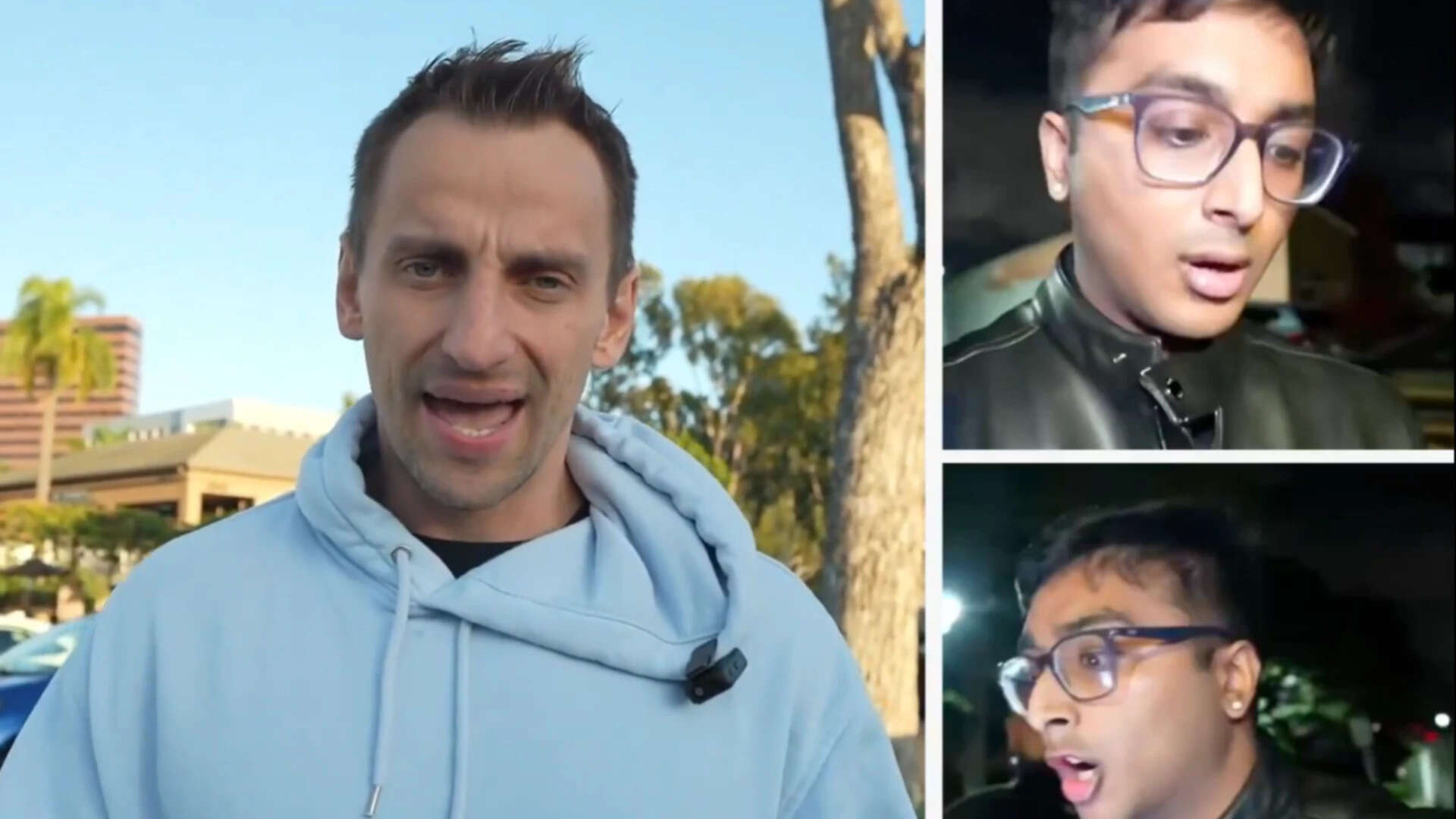
The incident began when a YouTuber, known for making "sting" videos, confronted the man in a public place. The creator recorded the interaction and edited it to make the man look guilty of inappropriate behavior. The video was then uploaded with a shocking title that labeled the man a predator. Within hours, the video was shared across multiple social media platforms, leading to thousands of angry comments and calls for the man's arrest.
Important Numbers and Facts
The video reached over 500,000 views before it was finally reported and taken down. The victim reported that he received hundreds of threatening messages on his personal phone and social media accounts. He spent several weeks in hiding because he feared for his physical safety. Legal experts note that cases of online defamation like this have risen by nearly 40% over the last two years as more creators look for "viral" ways to get attention.
Background and Context
This situation is part of a larger trend on YouTube and TikTok called "predator catching." In these videos, creators pretend to be someone else to lure people into meetings or confront strangers in public. While these creators claim they are helping the community, they often do not follow the law. They do not have the training that real police officers have. Many times, they target people based on misunderstandings or small mistakes just to create dramatic content that earns them money through ads.
Public or Industry Reaction
The public reaction has been split, but many people are now calling for the YouTuber to be banned. After the man spoke out and proved his innocence, a large group of internet users began a campaign to report the YouTuber’s channel. Digital rights activists are also speaking up. They argue that platforms like YouTube should be held responsible for hosting content that ruins lives without any evidence. Some local leaders have also called for new laws that would punish creators who make false criminal accusations online.
What This Means Going Forward
Moving forward, this case could lead to a major lawsuit that sets a new standard for online behavior. The victim has stated he is working with lawyers to sue the YouTuber for defamation. If he wins, it could discourage other creators from making similar "vigilante" videos. Additionally, social media companies may be forced to use better tools to spot and remove false accusations before they go viral. For the victim, the next step is a long process of trying to clear his name and return to a normal life.
Final Take
A person's reputation takes a lifetime to build but only a few seconds to destroy with a smartphone. This story serves as a warning that we should not believe everything we see on social media. Creators must be held accountable for the power they hold, and viewers must learn to wait for facts before joining an online mob. No one should have to say "my world is ruined" because of a YouTuber's search for views.
Frequently Asked Questions
Can you sue a YouTuber for false accusations?
Yes, you can sue for defamation if a YouTuber shares false information that harms your reputation. You must prove that the information was a lie and that it caused you real damage.
What should I do if I am wrongly accused online?
The first step is to collect evidence, such as screenshots and links to the video. You should then contact a lawyer and report the content to the social media platform to have it removed.
Why do YouTubers make these types of videos?
Many creators make these videos because they get a lot of views and engagement. High views lead to more money from advertisements and sponsors, which can tempt creators to exaggerate or lie.

