Summary
Former Maoist fighters in India are leaving behind years of armed conflict to start new lives as farmers and workers. Many have surrendered and are now trying to build stable futures through agriculture and family life. However, the process of rehabilitation is still incomplete. Many ex-combatants face serious problems like unemployment, lack of proper skills, and difficulty fitting back into normal society. This story looks at their struggles and the slow progress of government programs meant to help them.
Main Impact
The shift from being a Maoist fighter to a regular citizen is not easy. While some former rebels have successfully started farming or small businesses, many others remain stuck without jobs or income. The main impact is that rehabilitation programs have not fully solved the core issues of poverty and lack of opportunity. This means many ex-Maoists still feel left out of mainstream society, which could lead to frustration or even a return to violence in some cases.
Key Details
What Happened
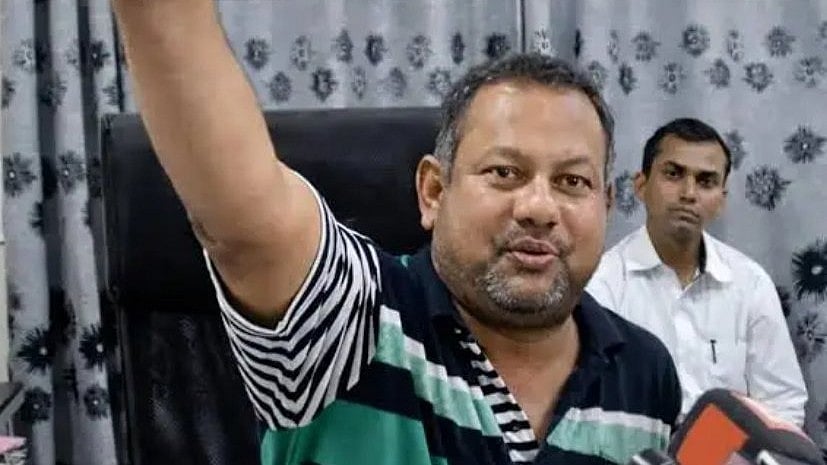
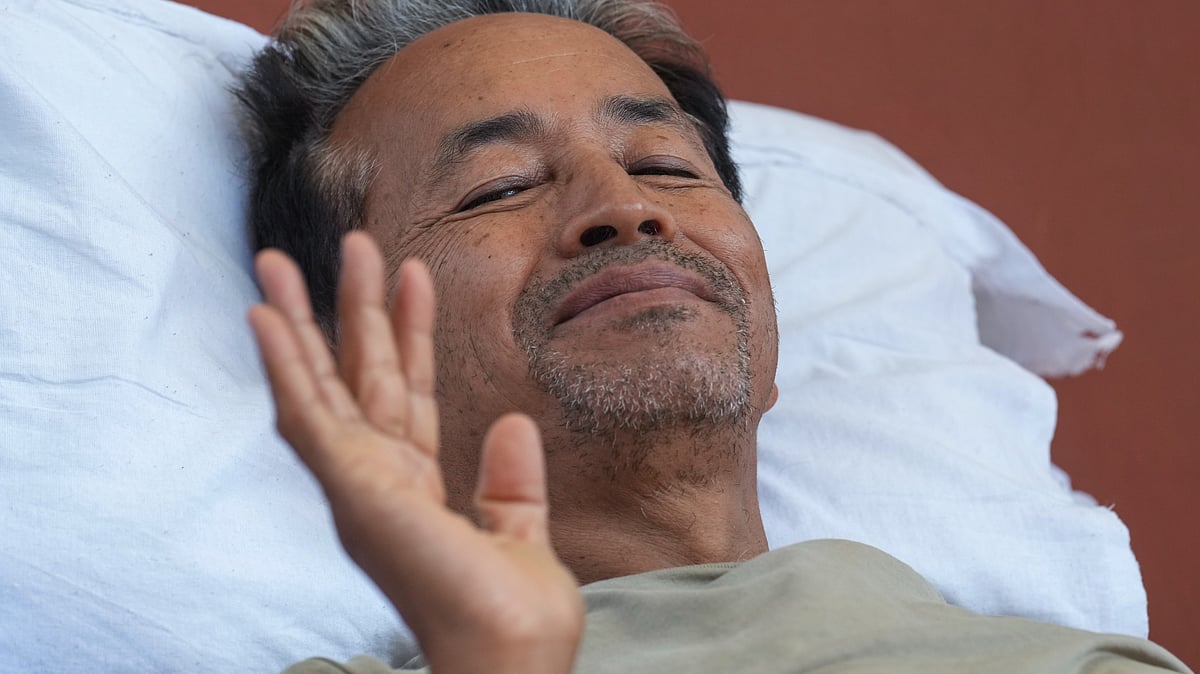
Over the past decade, thousands of Maoist fighters have surrendered to the government in states like Chhattisgarh, Odisha, and Andhra Pradesh. They gave up their weapons in exchange for a chance to start over. The government promised them money, land, training, and jobs. But the reality on the ground is different. Many former fighters now work as daily wage laborers or try to farm small plots of land. Some have married and started families, hoping to give their children a normal life away from violence.
Important Numbers and Facts
According to government data, more than 10,000 Maoists have surrendered in the last five years. Each surrendered fighter is supposed to get a rehabilitation package of up to 5 lakh rupees. This money is meant to help them buy land, start a business, or learn a new skill. However, reports show that many ex-combatants have not received the full amount. In some areas, only about 60 percent of the promised funds have been given out. The rest is delayed due to paperwork or lack of proper identification documents.
Background and Context
The Maoist insurgency, also called the Naxalite movement, started in the late 1960s. It began as a fight for land rights and against poverty in rural areas. Over time, it turned into a violent conflict that has killed thousands of people. The government has tried to end the insurgency through both military action and development programs. Surrender and rehabilitation is one part of this strategy. The idea is to give fighters a way out and a chance to live peacefully. But the success of this plan depends on whether former rebels can actually find stable work and income.
Public or Industry Reaction
Local communities have mixed feelings about former Maoists returning to normal life. Some villagers welcome them back, especially if they were forced to join the rebels. Others remain suspicious or angry because of past violence. Human rights groups say the government needs to do more to help ex-combatants. They argue that without proper jobs and support, these individuals may struggle to stay away from crime or extremism. Some former fighters themselves say they feel stuck. One ex-Maoist from Chhattisgarh told reporters, "I left the gun, but I still have no work. My family is hungry."
What This Means Going Forward
The future for former Maoists depends on whether rehabilitation programs can be improved. Simply giving money is not enough. Ex-combatants need long-term support like job training, access to markets for their farm products, and help with education for their children. If these issues are not fixed, the risk of them returning to violence remains. On the other hand, if rehabilitation works well, it could help bring lasting peace to conflict-affected areas. The government is now trying to speed up the process by linking former fighters with existing welfare schemes and skill development programs.
Final Take
Leaving behind a life of conflict is only the first step. For former Maoists, the real challenge is building a new life that offers dignity and stability. Without proper jobs, skills, and community support, the promise of rehabilitation remains unfulfilled. The success of peace efforts will be measured not by how many fighters surrender, but by how many can truly start over.
Frequently Asked Questions
What happens to Maoists after they surrender?
After surrendering, former Maoists are supposed to get a rehabilitation package that includes money, land, job training, and other support. The goal is to help them start a normal life away from violence. However, many ex-combatants report delays in receiving this help.
How many Maoists have surrendered in recent years?
According to government data, more than 10,000 Maoist fighters have surrendered in the last five years. Most of them come from states like Chhattisgarh, Odisha, and Andhra Pradesh where the insurgency is strongest.
Why is rehabilitation of former Maoists difficult?
Rehabilitation is difficult because many ex-combatants lack education and job skills after years of living in forests and fighting. They also face social stigma and suspicion from local communities. Without steady income and support, it is hard for them to build stable lives.