
Summary
Global shipping companies are now paying record-breaking fees to move their goods through the Panama Canal. Because of the ongoing war and the closure of the Strait of Hormuz near Iran, businesses are looking for safer ways to transport products. Some companies have paid as much as $4 million just to skip the line and avoid dangerous waters. This shift is changing how goods move across the world and is making the Panama Canal more important than ever for international trade.
Main Impact
The biggest impact of this change is the massive increase in shipping costs and the rerouting of global trade. The Strait of Hormuz is a vital path for the world's oil and cargo, but recent attacks and military tensions have made it too risky for many. As a result, ships that would normally travel through the Middle East are now traveling thousands of extra miles to use the Panama Canal. This sudden change has created a bottleneck in Panama, leading to a bidding war for the limited number of daily crossing slots.
Key Details
What Happened
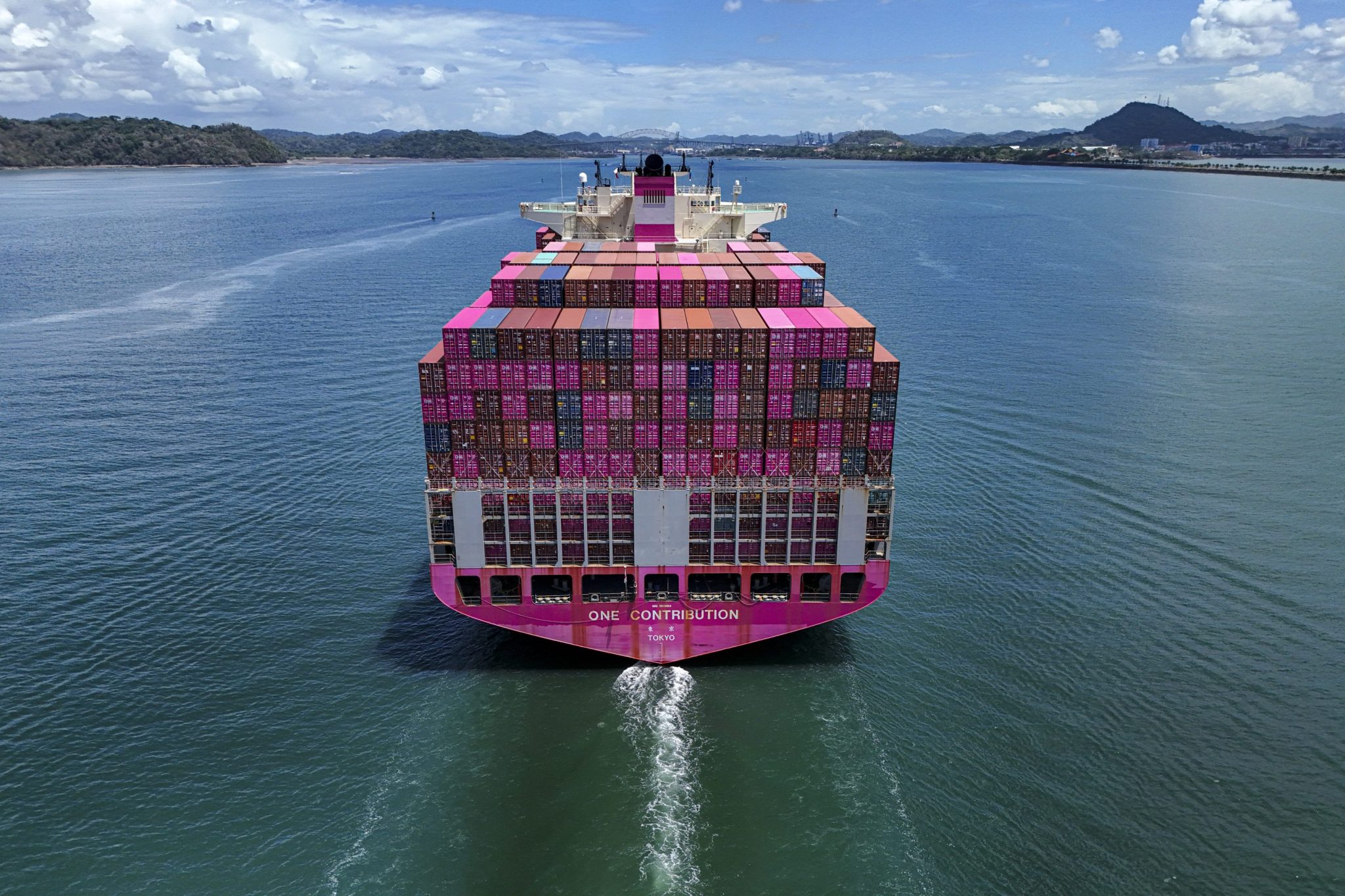
The Panama Canal Authority reported that the demand for "last-minute" crossings has reached an all-time high. Usually, ships book their passage months in advance for a standard fee. However, because of the sudden crisis in the Middle East, many ships are arriving without a reservation. To get through quickly, these ships must participate in an auction. The highest bidder gets to move to the front of the line, while others may have to wait for many days off the coast of Panama City.
Important Numbers and Facts
The cost of doing business on the water has risen sharply. A normal crossing through the Panama Canal costs between $300,000 and $400,000. In the past, companies might pay an extra $250,000 to jump ahead in line. Recently, that extra "priority fee" has jumped to an average of $425,000. In one extreme case, a company paid an additional $4 million to ensure its fuel ship reached Singapore on time. These high prices come at a time when oil prices are also climbing, with Brent crude oil hitting over $107 per barrel, compared to just $66 a year ago.
Background and Context
The Panama Canal is a man-made waterway in Central America that connects the Atlantic and Pacific oceans. It handles about 6% of all global trade, including car parts, electronics, and food. For a long time, the canal struggled with low water levels due to a severe drought, which limited how many ships could pass through. Now that the water levels have recovered, the canal is ready to handle more traffic, but it was not prepared for the sudden surge caused by the war near Iran.
The Strait of Hormuz, located between the Persian Gulf and the Gulf of Oman, is the other major waterway involved in this story. It is the most important path for the world's oil supply. Because of the conflict between Iran and the United States, the area has seen drones, missiles, and ship seizures. This has forced companies to choose between the high cost of the Panama Canal or the high risk of the Middle East.
Public or Industry Reaction
Experts in the shipping industry say that safety is now the top priority for most businesses. Even though $4 million is a huge amount of money, many companies believe it is cheaper than losing a ship or its cargo to an attack. However, the government of Panama is also facing challenges. While they are earning more money from the canal auctions, their own ships are being targeted. Recently, Panama accused Iran of illegally taking a ship flying the Panamanian flag. This has led to calls from the international community to keep shipping lanes open and safe for everyone.
What This Means Going Forward
If the conflict in the Middle East continues, the cost of shipping will likely stay high. This could eventually lead to higher prices for everyday items like electronics and groceries, as companies pass their extra costs down to customers. The Panama Canal will remain a busy hub, but it cannot solve every problem. Some of the world's largest oil tankers are simply too big to fit through the canal's locks. This means the world will still need to find a way to make the Strait of Hormuz safe again for large-scale energy transport.
Final Take
The current situation shows how fragile global trade can be when war breaks out. Companies are willing to pay millions of dollars for the certainty of a safe route. While the Panama Canal is benefiting financially from this shift, the overall pressure on the global supply chain remains a serious concern for the world economy.
Frequently Asked Questions
Why are companies paying $4 million to use the Panama Canal?
Companies are paying these high fees through auctions to skip the long wait times. They need to move their goods quickly and safely to avoid the dangerous war zone in the Strait of Hormuz.
Can all ships use the Panama Canal instead of the Strait of Hormuz?
No. While many cargo ships can use the canal, the very largest oil tankers are too wide and deep to fit through the canal. These large ships must still find other routes or wait for the conflict to end.
How does this affect the price of goods?
When shipping costs go up by millions of dollars, it becomes more expensive to move products like fuel, car parts, and food. Over time, these extra costs often lead to higher prices for consumers at the store.



