
Summary
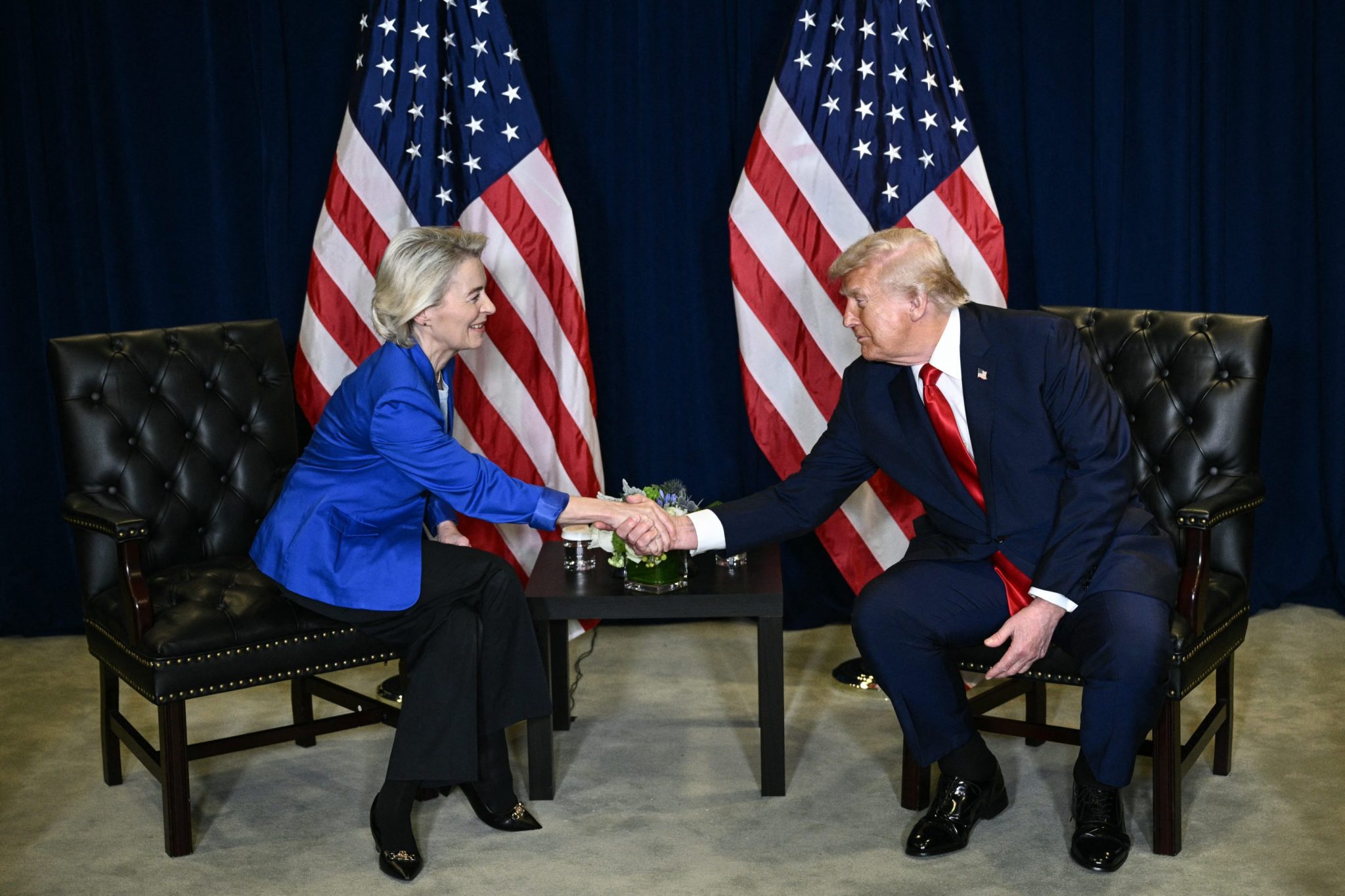
A high-ranking European Union official has called for a temporary stop to a major trade agreement with the United States. Bernd Lange, who leads the trade committee in the European Parliament, suggested the pause because of what he calls "pure tariff chaos" coming from the Trump administration. This move comes after the U.S. Supreme Court canceled some of President Trump’s previous trade taxes, leading the President to propose even higher global tariffs. The EU is now asking for clear answers and wants the U.S. to stick to the promises it made in earlier agreements.
Main Impact
The decision to pause this trade deal could create a massive rift between two of the world’s largest economies. If the agreement is not finalized, businesses on both sides of the Atlantic will face higher costs and more confusion. For the average person, this could mean that products like cars, medicine, and electronics become more expensive. The tension also threatens the stability of global markets, as investors dislike sudden changes in how countries trade with each other.
Key Details
What Happened
The situation began to change quickly after the U.S. Supreme Court ruled against some of the tariffs set by President Donald Trump. In response to this legal setback, the President announced on social media that he wants a 15% global tariff on imported goods. This is an increase from the 10% rate he had mentioned just a day before. European leaders feel this constant change makes it impossible to plan for the future or trust current agreements.
Important Numbers and Facts
The trade relationship between the EU and the U.S. is worth a huge amount of money. In 2024, the total value of goods and services traded between them reached 1.7 trillion euros, which is about $2 trillion. On average, the two sides trade about 4.6 billion euros worth of items every single day. Under a deal made last year, the U.S. was supposed to apply a 15% tax on 70% of the goods coming from Europe. However, the new calls for a blanket 15% tariff on everything have thrown those specific plans into doubt.
Background and Context
Trade deals are essentially sets of rules that countries agree to follow when they buy and sell things to each other. These rules usually keep taxes low so that products stay affordable. In August 2025, the EU and the U.S. signed a Joint Statement to make trade "fair and balanced." This was meant to provide a steady path for companies to grow. The EU is a group of 27 countries that acts as one single unit when it comes to trade. Because it represents 450 million customers, it has a lot of power when negotiating with other nations like the United States.
Public or Industry Reaction
The European Commission, which handles the day-to-day business of the EU, has expressed serious concern. They stated that "a deal is a deal" and expect the U.S. to honor its word. Bernd Lange was more direct, stating that the current U.S. approach is confusing for everyone involved. Industry experts warn that when taxes on imports are unpredictable, it breaks the "supply chain." This is the complex system used to move parts and products around the world. When the supply chain breaks, factories might slow down, and jobs could be at risk.
What This Means Going Forward
If the U.S. continues to push for higher and more unpredictable tariffs, the EU has a "secret weapon" it can use. This is called the Anti-Coercion Instrument. This law allows the EU to fight back if it feels another country is bullying it or using unfair pressure. The EU could respond by blocking U.S. companies from winning government contracts in Europe or by stopping certain American goods from entering the European market. This would be a "trade war," where both sides keep raising taxes on each other until everyone loses money. The next step will be seeing if the U.S. administration offers a clearer plan that the European Parliament can accept.
Final Take
The relationship between the U.S. and the EU is at a turning point. While both sides need each other for economic growth, the current lack of trust is making it hard to move forward. If leaders cannot find a way to agree on steady rules, the cost will likely be paid by businesses and consumers who just want stable prices and a reliable market.
Frequently Asked Questions
Why is the EU pausing the trade deal?
The EU is pausing the deal because they feel the U.S. government is being too unpredictable with its tariff policies. They want "full clarity" before they commit to a long-term agreement.
What products are traded the most between the U.S. and the EU?
Europe sends many cars, medicines, and wines to the U.S. In return, the U.S. sells oil, gas, and high-tech services like cloud computing and payment systems to Europe.
What happens if the U.S. and EU cannot agree?
If they cannot agree, the EU might use its Anti-Coercion Instrument to restrict U.S. trade. This could lead to higher prices for consumers and less profit for companies in both regions.



