
Summary
The Indian government has indicated that the amount of ethanol mixed into petrol could soon increase by another percent. This move is part of a larger plan to reduce the country's heavy reliance on expensive oil imports from overseas. By raising the ethanol blend, the government aims to support local farmers, lower carbon emissions, and keep more money within the national economy. This small but significant change marks another step toward the country's goal of achieving energy independence.
Main Impact
The primary impact of this decision is economic. India is one of the world's largest buyers of crude oil, and spending on these imports affects the national budget. By adding more ethanol to petrol, the government can reduce the total amount of oil it needs to buy from other countries. This shift helps stabilize fuel prices and protects the economy from sudden changes in global oil markets. Additionally, it creates a massive and steady demand for agricultural products, which directly benefits the rural economy.
Key Details
What Happened
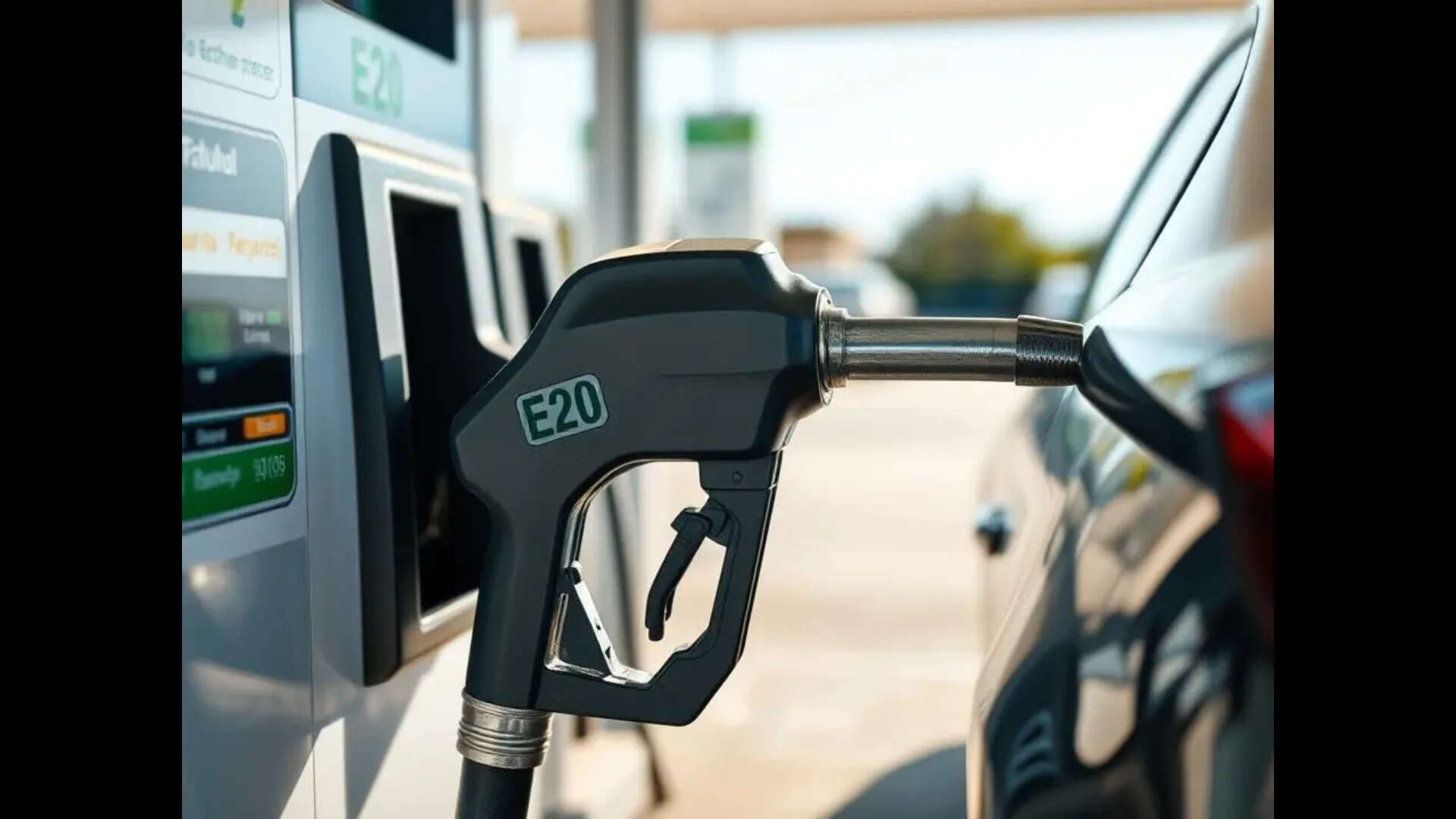
Government officials recently suggested that the current ethanol blending levels are ready for a slight increase. For the past few years, India has been working toward a target known as E20, which means a mix of 20% ethanol and 80% petrol. The hint at a 1% increase suggests that the supply chain for ethanol is becoming stronger and more reliable. This increase will likely be rolled out across petrol pumps nationwide as the production of biofuel continues to grow.
Important Numbers and Facts
India has already made fast progress in this area. A few years ago, the blending level was very low, often below 5%. Today, many regions are already seeing blends of 10% to 15%, with the 20% goal in sight. A 1% increase across the entire country requires millions of additional liters of ethanol. To meet this demand, the government has encouraged the setting up of hundreds of new distilleries. These factories turn agricultural waste and surplus crops into the fuel that eventually ends up in vehicle tanks.
Background and Context
Ethanol is a type of biofuel that is usually made from sugarcane, corn, or broken rice. Because it comes from plants, it is considered a renewable resource. In a country like India, where agriculture is a way of life for millions, producing fuel from crops makes a lot of sense. It provides a "safety net" for farmers. When they have too much sugar or grain, they can sell the extra to ethanol plants instead of letting it go to waste or selling it at very low prices.
Beyond the money, there is an environmental reason for this change. Pure petrol releases more harmful gases when it burns in an engine. When ethanol is mixed in, the fuel burns more cleanly. This helps reduce the thick smog and air pollution often seen in big cities. It is a key part of India's promise to help fight climate change by lowering its total carbon footprint.
Public or Industry Reaction
The reaction from the agricultural sector has been very positive. Farmer unions believe that higher blending targets will lead to better prices for sugarcane and maize. On the other hand, the car industry has had to work hard to keep up. Older cars were not built to run on high levels of ethanol, which can sometimes damage rubber parts or seals in the engine. However, most new cars sold in India are now "E20 compliant," meaning they can handle these higher mixes without any problems.
Some environmental experts have raised questions about water use. Growing sugarcane requires a lot of water, and they worry that pushing for too much ethanol might put a strain on water resources in dry areas. The government is looking into using other materials, like agricultural waste and straw, to make "second-generation" ethanol to solve this problem.
What This Means Going Forward
Looking ahead, the 1% increase is just the beginning. The government is expected to continue pushing the limits of how much ethanol can be safely used in standard engines. There is also talk of "flex-fuel" vehicles. These are special cars that can run on any mix of petrol and ethanol, even up to 100% ethanol. As more of these vehicles hit the road, the demand for petrol will drop even further. The government will likely continue to offer help to companies that build ethanol plants to ensure the supply stays ahead of the demand.
Final Take
Increasing the ethanol blend by even a small amount is a smart move for a growing country. It turns a challenge—high oil costs—into an opportunity for local farmers and factory workers. While there are technical and environmental hurdles to clear, the path toward a greener and more self-reliant energy system is becoming clearer every day. This policy shows that small changes in fuel can lead to big changes for the country's future.
Frequently Asked Questions
Will this increase the price of petrol?
In the long run, ethanol blending is intended to make fuel prices more stable. Since ethanol is produced locally, it is not affected by the same global conflicts or shipping issues that cause oil prices to spike.
Can my old car run on higher ethanol blends?
Most modern cars can handle a 10% to 15% blend without issues. If the blend goes much higher, very old vehicles might need minor part changes, but the government and oil companies usually manage the rollout to ensure safety for all drivers.
Is ethanol better for the environment?
Yes, ethanol burns more cleanly than pure petrol. It produces fewer greenhouse gases and less particulate matter, which helps improve the air quality in crowded urban areas.



