
Summary
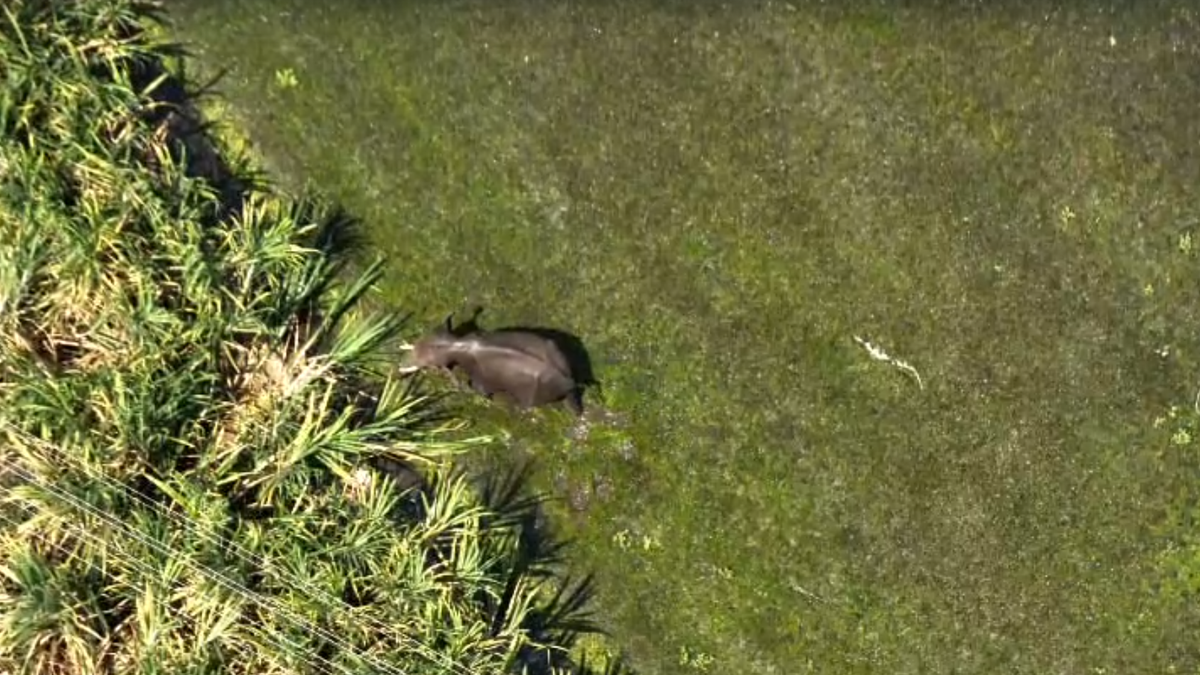
Forest officials in the Erode district of Tamil Nadu have successfully guided a lone wild elephant back into the forest. The operation lasted for 48 hours as the animal moved through various human settlements and agricultural lands. This mission was critical because the elephant had strayed close to residential areas, causing fear among local villagers. By the end of the second day, the elephant was safely pushed back into its natural habitat without any major injuries to people or the animal itself.
Main Impact
The successful removal of the elephant from human-occupied areas has brought a sense of relief to the residents of Erode. The main impact of this operation was the prevention of a potential tragedy. When large wild animals enter towns, there is a high risk of property damage and loss of life. By managing the situation over two days, the forest department ensured that the elephant did not cause significant harm to crops or homes. Additionally, the operation protected the elephant from the dangers of human contact and heavy vehicle traffic on nearby highways.
Key Details
What Happened
The incident began when a lone elephant left the forest boundary and entered the plains of Erode. For two days, the animal wandered through fields and near villages. Forest guards and local police worked together to track the elephant's movements. They used various methods to encourage the animal to move toward the forest, including making loud noises and monitoring its path with drones. The most difficult part of the mission was managing the elephant as it moved near areas where many people live and work.
Important Numbers and Facts
The operation lasted exactly 48 hours from start to finish. During this time, the elephant crossed three major roads that carry a lot of traffic. One of these was the very busy Sathyamangalam-Gobichettipalayam road. This road is a vital link for transport in the region, and officials had to stop traffic multiple times to allow the elephant to cross safely. Dozens of forest department staff members were involved in the mission, working in shifts to keep a constant eye on the animal's location.
Background and Context
Erode is a region known for its proximity to large forest reserves, such as the Sathyamangalam Tiger Reserve. These forests are home to a large population of wild elephants. It is common for these animals to move between different parts of the forest. However, sometimes they wander out into human areas. This usually happens when the animals are looking for food or water, or if their usual paths are blocked. Lone male elephants are particularly known for wandering long distances. In recent years, the growth of towns and farms near forest edges has made it more likely for humans and elephants to cross paths.
Public or Industry Reaction
Local farmers and residents have shared mixed feelings about the event. While they are happy that the forest department acted quickly, many are worried that this will happen again. Farmers in the area often grow crops like sugarcane and bananas, which are very attractive to hungry elephants. The local community has asked the government to install better fencing or trenches along the forest border to keep wildlife away from their fields. Forest officials have asked the public to remain calm during such events and not to chase or tease the animals, as this can make them aggressive and much harder to manage.
What This Means Going Forward
This event highlights the ongoing challenge of managing wildlife in areas where forests meet human towns. Moving forward, the forest department plans to increase patrols in the areas where the elephant was spotted. They may also use technology like GPS collars or better camera traps to watch for animals that get too close to the roads. For the public, this serves as a reminder to be careful when traveling on forest-fringe roads at night. The government is also looking into ways to ensure that elephants have enough food and water inside the forest so they do not feel the need to leave their habitat.
Final Take
The 48-hour operation in Erode was a success because it prioritized the safety of both the public and the wildlife. While the immediate danger has passed, the incident shows that more work is needed to create a safe distance between human activities and wild animal paths. Constant monitoring and cooperation between the government and local citizens will be the best way to prevent such long and difficult operations in the future.
Frequently Asked Questions
Why did the elephant leave the forest?
Elephants usually leave the forest in search of food, water, or to find new territory. In this case, the lone elephant likely strayed while looking for easy food sources like crops in nearby farms.
Was anyone hurt during the 48-hour operation?
No, there were no reports of injuries to humans or the elephant. The forest department used careful methods to guide the animal back without using force that could cause harm.
Which major roads were affected by the elephant's movement?
The elephant crossed three major roads, the most significant being the Sathyamangalam-Gobichettipalayam road. Traffic had to be managed and stopped temporarily to ensure a safe crossing for the animal and drivers.



