
Summary
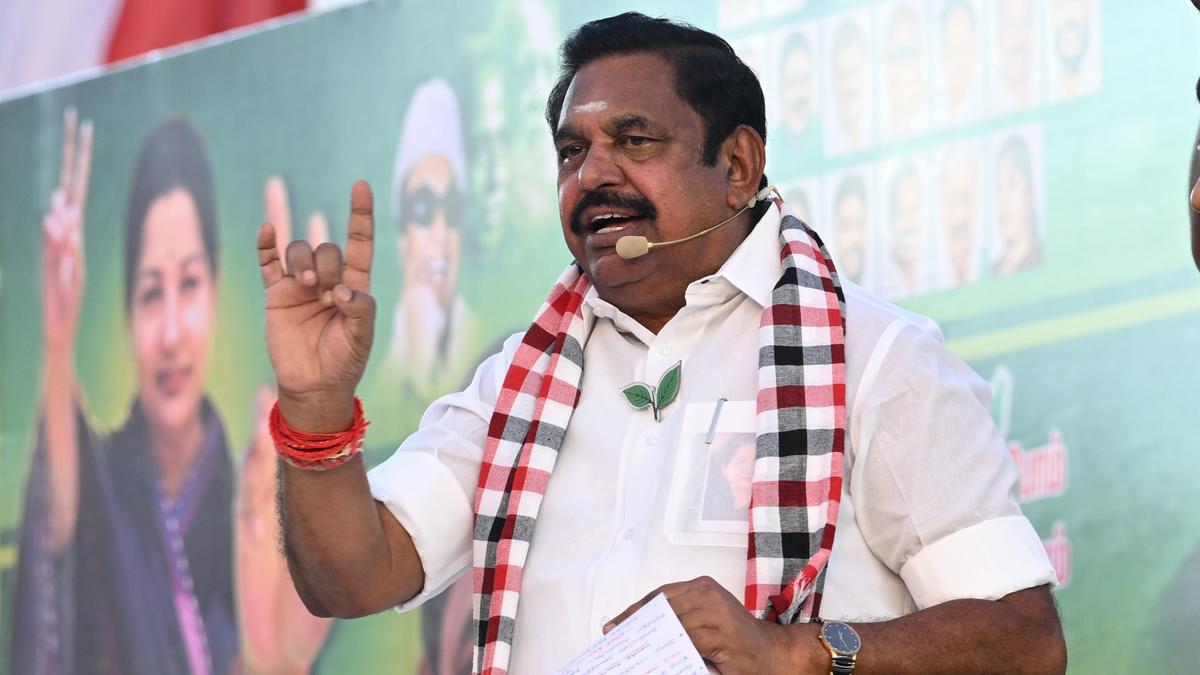
A new legal petition has been filed at the Madras High Court seeking to stop Edappadi K. Palaniswami from participating in election campaigns. The petitioner argues that the AIADMK leader has used his public platform to launch personal attacks against top government officials. Specifically, the plea claims that Palaniswami made inappropriate comments about Chief Minister M.K. Stalin and Deputy Chief Minister Udhayanidhi Stalin. This legal move aims to ensure that political debates remain focused on policy rather than personal insults.
Main Impact
The primary impact of this legal challenge is the potential disruption of the AIADMK’s campaign strategy. Edappadi K. Palaniswami, often called EPS, is the main face of his party and their most prominent speaker. If the court decides to bar him from campaigning, it would leave a massive gap in the party's leadership during a critical time. Furthermore, this case highlights the growing tension over the "Model Code of Conduct," which sets the rules for how politicians should behave during elections. A ruling in favor of the petitioner could set a new standard for what is considered acceptable speech in Indian politics.
Key Details
What Happened
The petitioner approached the Madras High Court with a specific request to debar EPS from the current election cycle. The core of the complaint is that the leader's speeches have crossed the line from political criticism into personal defamation. According to the plea, these attacks were directed at the character and personal lives of M.K. Stalin and his son, Udhayanidhi Stalin. The petitioner believes that such language poisons the political environment and misleads the public. They are asking the court to intervene because they feel the current election oversight has not been enough to stop these remarks.
Important Numbers and Facts
The case involves the two most powerful political groups in Tamil Nadu: the DMK and the AIADMK. The legal filing mentions multiple instances where speeches were recorded and shared on social media. While the court has not yet made a final decision, the timing is vital as the election dates approach. Under Indian law, the Election Commission has the power to ban candidates for a few days if they violate speech rules, but a total ban from a campaign through a court order is a much more serious and rare request. The petitioner is pushing for the court to use its power to protect the dignity of the electoral process.
Background and Context
To understand why this matters, one must look at the long history of political rivalry in Tamil Nadu. For decades, the state has seen a two-party battle between the DMK and the AIADMK. These battles are often very intense and emotional. In recent years, the language used in these campaigns has become a major point of debate. While politicians have always been tough on each other, many citizens and legal experts feel that the focus has shifted away from important issues like the economy, jobs, and infrastructure. Instead, the focus often lands on family history and personal choices. This case is a reflection of the public's desire for a more professional and respectful political culture.
Public or Industry Reaction
The reaction to this plea has been split along party lines. Supporters of the DMK argue that the legal action is necessary to maintain a level of decency in public life. They believe that leaders should be held accountable for the words they use on stage. On the other side, AIADMK supporters view this as a political move intended to silence their strongest leader. They argue that EPS is simply pointing out the failures of the current government and that his words are being taken out of context. Legal experts are watching the case closely to see how the court balances the right to free speech with the need to prevent defamation and personal harassment during an election.
What This Means Going Forward
Looking ahead, the Madras High Court's decision will carry a lot of weight. If the court chooses to hear the case and sets strict rules, it could force every political party to rewrite their campaign speeches. Candidates might become more careful about the words they choose, fearing that a single wrong sentence could lead to a campaign ban. This could lead to a cleaner election environment, but some worry it might also limit the ability of the opposition to criticize the government. The next steps involve the court reviewing the evidence of the alleged attacks and deciding if they truly violate the laws governing elections.
Final Take
This legal battle is about more than just two politicians; it is about the rules of democracy. As the court reviews the plea against Edappadi K. Palaniswami, the focus remains on whether political speech should have strict boundaries. The outcome will determine how much freedom leaders have to attack their rivals and what consequences they face when they go too far.
Frequently Asked Questions
Why is there a plea to ban EPS from campaigning?
The plea was filed because a petitioner claims that EPS made personal and insulting attacks against the Chief Minister and Deputy Chief Minister, which goes against the rules for fair election conduct.
Can a court actually stop a politician from campaigning?
While the Election Commission usually handles these issues, a court can issue orders if it finds that a person's actions or words are breaking the law or violating the rights of others.
Who are the main people involved in this case?
The case involves AIADMK leader Edappadi K. Palaniswami and mentions Chief Minister M.K. Stalin and Deputy Chief Minister Udhayanidhi Stalin of the DMK party.



