England's Test players can stop watching the clock. A midnight curfew that has governed the team's off-field behaviour for the past seven months is being scrapped, according to the report — a quiet but telling shift in how the side is now being run.
A seven-month rule, dropped at the top
The curfew required players to be back at the team hotel by midnight. The report says the new Test captain has abolished it, directly linking the decision to the recent change in leadership.
No details of the curfew's exact terms — or the moment it was lifted — have been officially released.
Why the curfew's removal matters
Curfews are rarely just about bedtimes. They signal control, discipline and trust. Scrapping one after seven months suggests the new leadership wants to treat senior players as adults responsible for their own preparation.
For fans, it is a small window into dressing-room culture — and potentially an early sign of how the new captain intends to command.
Seven months back: how the rule arrived
The curfew was introduced seven months ago under the previous captain's leadership, the report states. That places its origin during a period of intense scrutiny of England's Test form.
Exactly why it was imposed — and whether specific incidents prompted it — has not been confirmed in the report.
What it means for the players
For the squad, the change restores normal freedom on tour: dinner after play, time with family, a relaxed evening after a hard day in the field.
The risk, of course, is perception. A relaxed rule can be read as a drop in standards, even when no actual standards have slipped.
No official word yet
Neither the England team management nor the cricket board has issued a public statement so far. The claim rests solely on the original report.
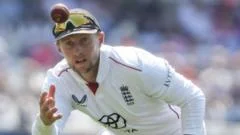
Until official confirmation arrives, the captaincy detail needs careful handling — the report names Joe Root as the new captain and Ben Stokes as predecessor, which inverts the widely recorded captaincy timeline.
What is confirmed — and what remains unclear
Reported: England have scrapped a midnight curfew that stood for seven months; the decision is linked to a change in Test captaincy.
Unclear: Which captain made the call, when exactly the curfew ended, why it was imposed, and whether the change is permanent. All of this remains unverified.
A change of era, or a change of mood?
Leadership transitions in sport usually bring visible changes — new tactics, new faces, new rhetoric. Sometimes they bring tiny ones too, like a curfew quietly removed.
If the report is accurate, the message is consistent: the new captain is willing to dismantle the old regime's rules. Whether that translates into results is the only test that counts.
Risks and the other side of the argument
Supporters of a curfew argue that structure protects performance, especially on long overseas tours. Critics of strict rules counter that professional players already know how to manage their time.
The truth likely sits in the middle — and it will show up in the team's discipline on the field, not in its announcements off it.
Wider pattern: the curfew debate in cricket
Midnight curfews have been a recurring theme across international cricket — sometimes imposed after disciplinary lapses, sometimes quietly removed when a new coach or captain takes charge. England's reported move follows that familiar cycle.
What fans should watch next
Keep an eye on the next official England team announcement or captain's press conference — either could confirm the change and explain the reasoning behind it.
Until then, treat the story as a reported development, not a confirmed fact.
What happens next
If confirmed, the immediate impact is routine: players manage their own evenings, with trust replacing curfew. The longer-term impact — on discipline, results and team culture — can only be judged over a full season of cricket.
Our Take
This is a minor story with a major subtext. Curfews are symbols as much as rules, and removing one is a deliberate signal from a new leader. But the most important sentence in this report is the one we cannot verify: who actually made the call. Until the captaincy and timeline are straightened out, readers should hold off on firm conclusions.
Frequently Asked Questions
What was the England midnight curfew?
According to the report, it was a rule requiring England Test players to be back at the team hotel by midnight. It had been in place for seven months before being scrapped. No official terms have been published.
Who scrapped the England midnight curfew?
The report attributes the decision to the new Test captain, Joe Root. However, this conflicts with the public record, which lists Root as the previous captain and Ben Stokes as his successor. The captaincy detail is therefore unverified.
Why did England impose the curfew in the first place?
The original story does not explain why the curfew was introduced. It says only that it was imposed under the previous captain and lasted seven months.
Has the England cricket board confirmed the curfew is over?
No. As of now, there is no official statement from England team management or the cricket board confirming the change. The story is based solely on the report cited.