Summary
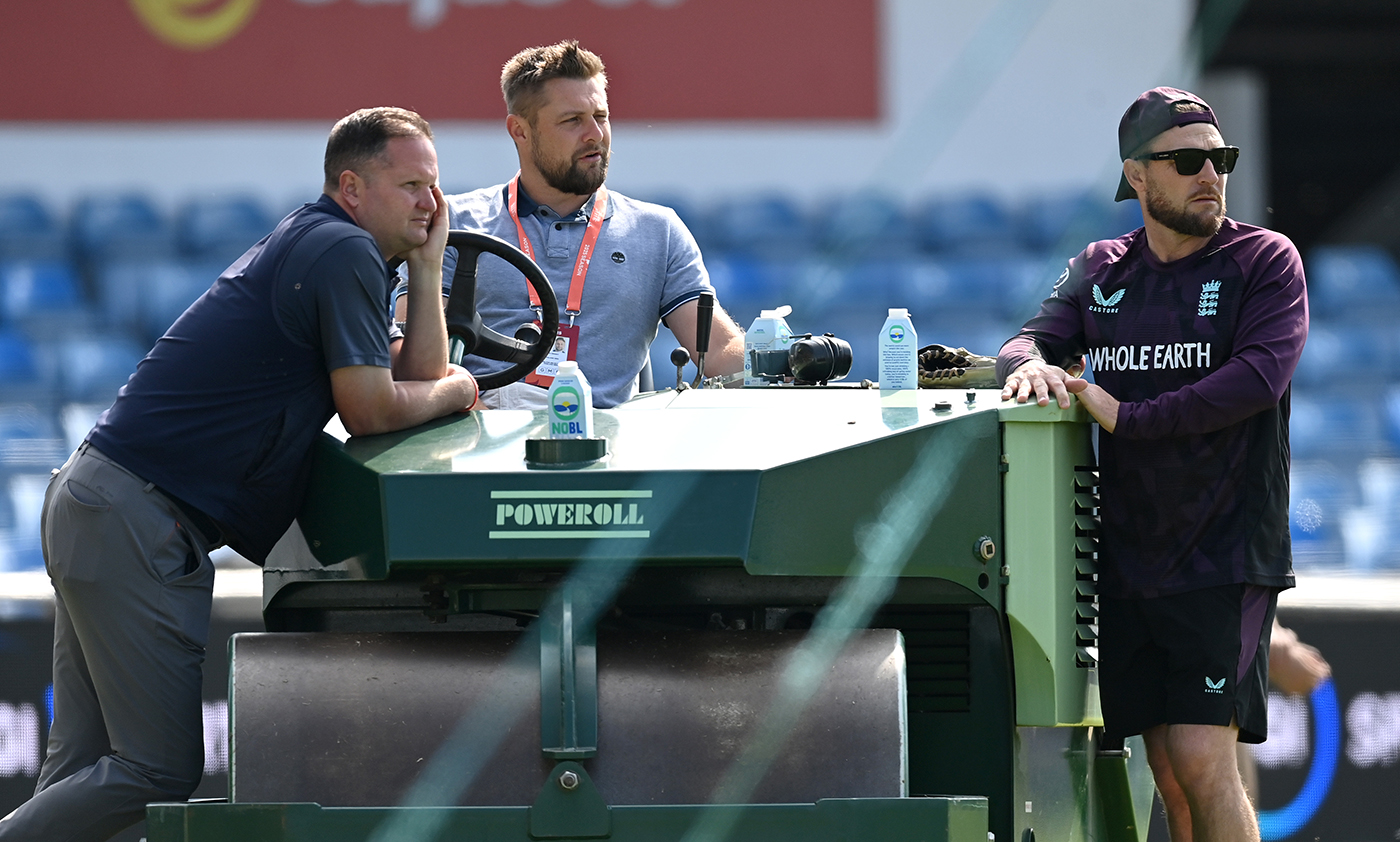
Rob Key, the head of England men’s cricket, is currently searching for a new person to lead the player selection process. This search began after Luke Wright decided to move on from his role as the national selector. Finding a replacement is proving to be a difficult task for the England and Wales Cricket Board (ECB). There are very few candidates who fit the specific requirements of the job, and the responsibilities of the role itself are making it hard to attract the right people.
Main Impact
The main issue is that the ECB is struggling to find someone who wants to take on this specific job. The role of a selector has changed a lot over the last few years. In the past, selectors had a huge amount of power over who played for England. Now, much of that power sits with the head coaches and the managing director. Because the job has less authority than it used to, many high-quality candidates are choosing to work in other areas of cricket, such as coaching or television commentary.
Key Details
What Happened
Luke Wright has been a key part of the England selection setup, helping to bridge the gap between domestic county cricket and the international team. However, his departure has left a hole that Rob Key needs to fill quickly. The search has highlighted a lack of available talent for this kind of administrative and scouting work. Many former players who would be good at the job are already busy with more profitable roles in global T20 leagues or media work.
Important Numbers and Facts
The selection structure has been changed several times in the last five years. At one point, the role of "National Selector" was removed entirely under the previous management. Rob Key brought it back in a modified form when he hired Luke Wright. The current challenge is that the job requires a person to watch a massive amount of county cricket while also understanding the high-pressure environment of the England dressing room. Finding someone with both the time and the expertise is proving to be a major hurdle for the ECB.
Background and Context
To understand why this is a problem, it helps to know what a selector actually does. Their job is to travel around the country, watch players in local matches, and decide who is ready to play for the national team. They act as the eyes and ears for the head coach, who is often too busy with the main team to watch every domestic game. In recent years, England has moved toward a "coach-led" model. This means the head coaches, like Brendon McCullum, have the final say on who makes the team. This shift has made the selector's job feel more like a scouting role rather than a decision-making role, which is less appealing to some experts.
Public or Industry Reaction
People within the cricket world are divided on how the ECB should proceed. Some believe that the role should be given more power to attract bigger names. Others think the current system works well because it allows the coaches to pick the players they want to work with. There is also a feeling that the pay for these roles needs to be higher. When compared to the money available in franchise cricket leagues around the world, the ECB’s offer might not be enough to convince the best minds in the game to commit to a full-time scouting schedule.
What This Means Going Forward
If Rob Key cannot find a suitable replacement soon, he may have to take on more of the selection work himself or rely more heavily on the existing scouting network. This could put extra pressure on the coaching staff. There is also a chance that the ECB will have to redefine the job entirely. They might look for someone who can work part-time or split the duties among several people. The goal is to ensure that no talented player in the county system is overlooked, but without a dedicated leader in that role, there is a risk that the connection between domestic and international cricket could weaken.
Final Take
The struggle to find a new selector shows how much the business of cricket has changed. It is no longer enough to just offer a prestigious title; the job must also offer the right balance of power and pay. Rob Key faces a tough choice: he must either find a way to make the role more attractive or find a hidden gem of a candidate who is willing to do the hard work of scouting without the fame that comes with coaching. How the ECB handles this search will tell us a lot about the future direction of the England men's team.
Frequently Asked Questions
Why is Luke Wright leaving his job?
Luke Wright is stepping down to pursue other opportunities. His departure has forced the ECB to look for a new person to manage the scouting and selection of players for the England men's team.
What does an England cricket selector do?
A selector watches domestic matches to find talented players. They provide reports to the head coaches and help decide which players should be given professional contracts to play for the national side.
Why is it hard to find a replacement?
The job involves a lot of travel and watching games, but it currently has less power than it used to. Many qualified people prefer to work in coaching or media, where the pay is often better and the schedule is more flexible.