
Summary
Medical experts in India are raising concerns about a sharp increase in liver health issues among young people. Doctors have found a strong link between the frequent consumption of energy drinks and serious liver damage. This trend is becoming a major health crisis as more youth turn to these beverages for a quick energy boost. The problem is often made worse when these drinks are combined with alcohol or a diet high in sugar.
Main Impact
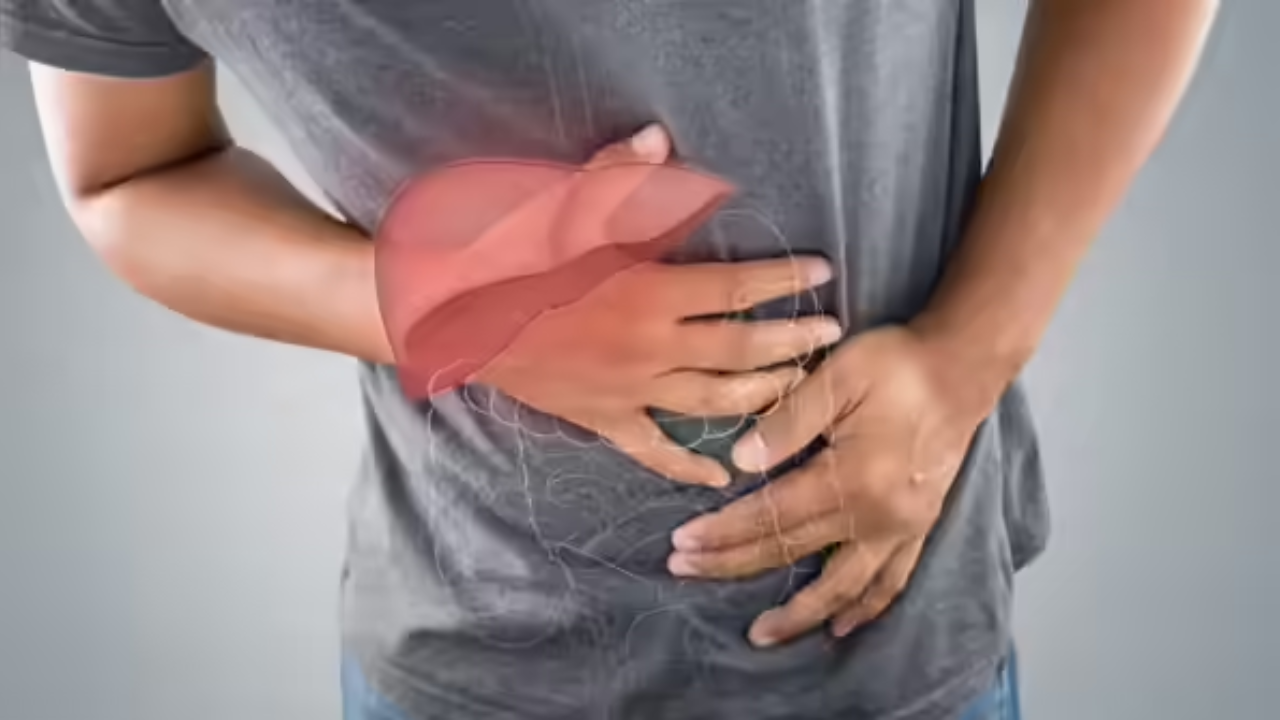
The most significant impact of this trend is the rise of liver dysfunction in a population that is usually considered healthy. The liver is a vital organ that filters toxins from the blood and helps the body process food. When young people consume high amounts of energy drinks, they put a massive amount of stress on this organ. This stress can lead to inflammation and the buildup of fat in the liver, even in people who do not drink much alcohol.
Doctors are particularly worried because liver damage is often "silent." This means a person might not feel any pain or see any symptoms until the damage is already severe. By the time a young person goes to the hospital, their liver may already have permanent scarring. This could lead to a lifetime of health problems or the need for a liver transplant at a very young age.
Key Details
What Happened
Specialists in hospitals across India have reported a surge in patients under the age of 30 showing signs of liver failure and fatty liver disease. After talking to these patients, doctors discovered a common habit: the daily use of energy drinks. Many of these young individuals use the drinks to stay awake for late-night study sessions or long shifts at work. Others consume them at parties, often mixing them with alcoholic beverages to stay active for longer periods.
Important Numbers and Facts
Energy drinks are packed with high levels of caffeine and sugar. A single can often contains more sugar than the recommended daily limit for an adult. When the body receives a huge amount of sugar at once, the liver has to work extra hard to turn that sugar into fat. Over time, this fat stays inside the liver cells, causing a condition called Non-Alcoholic Fatty Liver Disease (NAFLD).
In addition to sugar, these drinks contain stimulants like taurine and very high doses of B-vitamins. While these ingredients are safe in small amounts, having them in high concentrations every day can be toxic to liver cells. Reports show that some young people are drinking three to five cans a day, which is far beyond what the human body can safely handle.
Background and Context
For many years, liver disease was mostly associated with heavy alcohol use or older age. However, the lifestyle of young Indians has changed rapidly. With the rise of the 24-hour work culture and competitive exams, the demand for "instant energy" has grown. Energy drinks are marketed as a way to improve focus and physical performance, making them very attractive to students and young professionals.
In the past, people might have reached for natural drinks like coconut water or tea. Today, brightly colored cans of energy drinks are available in almost every small shop and supermarket. They are often cheaper than a healthy meal and are marketed through sports and gaming events, which directly targets the younger generation. This shift in drinking habits is now showing its negative effects on public health.
Public or Industry Reaction
Health experts and nutritionists are calling for stricter rules on how these drinks are sold and labeled. Many doctors believe that energy drinks should carry health warnings similar to those found on tobacco or alcohol products. There is also a push for better education in schools and colleges to teach students about the hidden dangers of high-caffeine beverages.
Parents are being urged to monitor what their children are drinking. Many people assume that because these drinks are sold openly and are not alcoholic, they must be safe. Doctors are working hard to change this perception and explain that "legal" does not always mean "healthy" when consumed in large amounts.
What This Means Going Forward
If the current trend continues, India could face a massive increase in chronic liver diseases over the next decade. This would put a heavy strain on the healthcare system and reduce the quality of life for millions of people. The next step for many health organizations will be to push for higher taxes on sugary energy drinks to discourage people from buying them frequently.
For individuals, the solution is a change in lifestyle. Doctors suggest that getting enough sleep and eating a balanced diet are the only real ways to maintain energy levels. They recommend that anyone who has been drinking these beverages regularly should see a doctor for a liver function test to check for early signs of damage.
Final Take
The rise in liver damage among young Indians is a serious warning sign. While energy drinks offer a quick fix for tiredness, the long-term cost to the body is far too high. Choosing water, natural juices, or simply getting more rest is a much safer way to stay healthy and protect the liver for the future.
Frequently Asked Questions
Why are energy drinks bad for the liver?
They contain very high amounts of sugar and stimulants. The liver must process all these chemicals at once, which causes stress, inflammation, and fat buildup in the liver cells.
Can the liver recover from this damage?
If the damage is caught early and the person stops drinking energy drinks, the liver has a great ability to heal itself. However, if the damage becomes severe scarring, it may be permanent.
Is it safe to drink energy drinks occasionally?
Having one energy drink once in a while may not cause immediate harm to a healthy person. The danger comes from drinking them every day or consuming multiple cans in a short period.



