
Summary
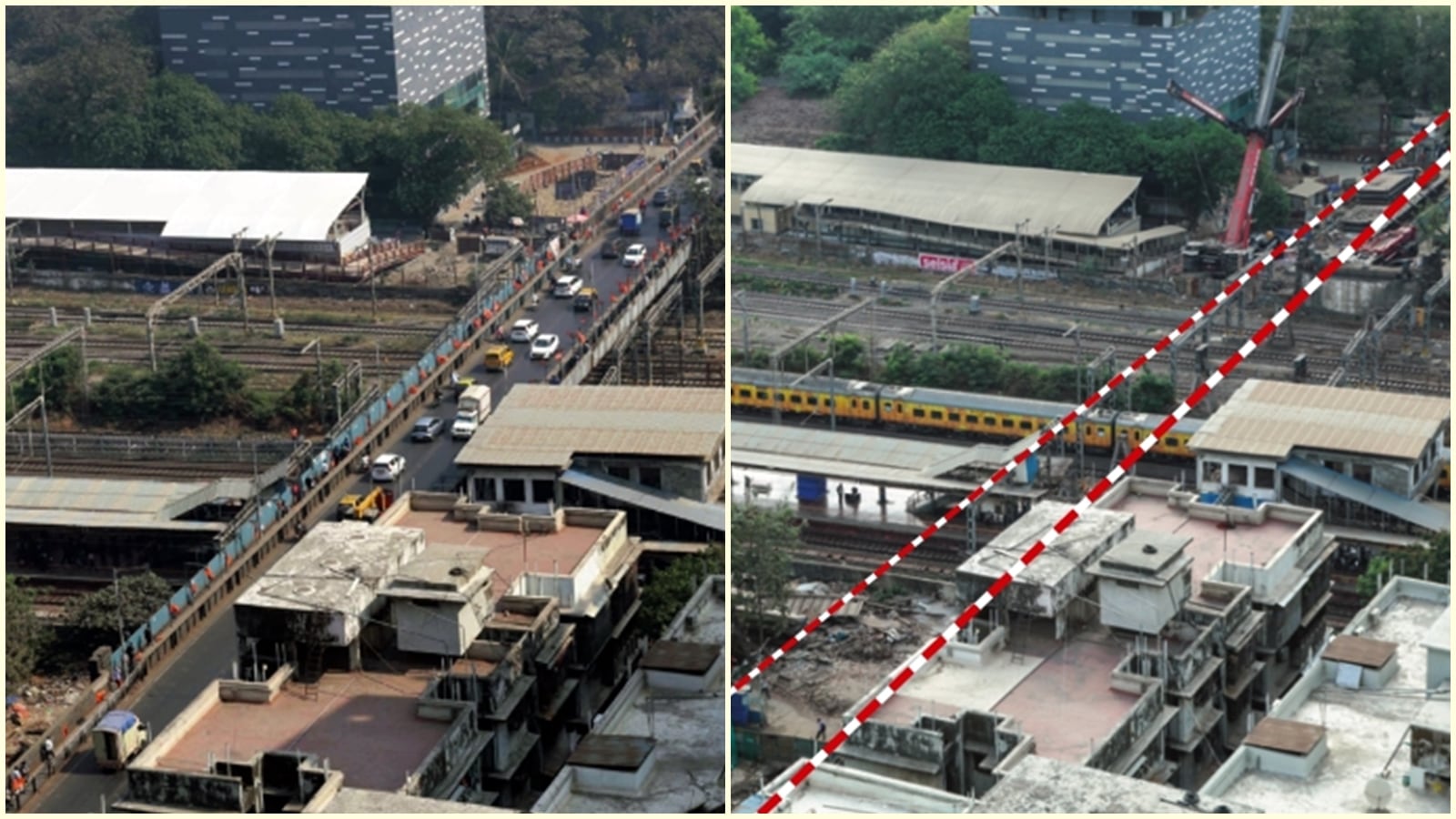
Mumbai has officially said goodbye to the Elphinstone Bridge, a massive steel structure that stood for 112 years. The demolition of this historic landmark was a huge task that took 58 nights of careful work to complete. This project was necessary to clear space for new railway lines that will help millions of people travel more easily across the city. While the bridge is gone, its removal marks a major step in modernizing Mumbai’s famous train system.
Main Impact
The removal of the Elphinstone Bridge changes the face of the Prabhadevi and Parel areas forever. For over a century, this bridge served as a vital link for cars and people crossing over the railway tracks. However, its low height was a major problem for modern trains. By taking it down, the railway can now install higher overhead wires and build extra tracks. This will eventually lead to fewer delays and more train services for the city’s growing population.
Key Details
What Happened
The demolition was not a quick process. Because the bridge sat directly over some of the busiest railway tracks in the world, workers could only operate at night. Every night, for 58 nights, the power to the overhead train lines was cut, and train traffic was stopped for a few hours. This period is known as a "block." During these short windows of time, engineers and laborers worked quickly to cut through thick steel and heavy stone using specialized tools and massive cranes.
Important Numbers and Facts
The bridge was built in 1913 during the British era. It was made of heavy riveted steel, a common building style at that time. To take it apart, the team used cranes that could lift hundreds of tons. The work happened mostly between midnight and 5:00 AM to ensure that the daily commute of millions of people was not ruined. Over the course of the project, thousands of tons of steel and debris were moved away from the site to clear the path for future construction.
Background and Context
In Mumbai, the railway is often called the "lifeline" of the city. Most people rely on trains to get to work and school. As the city grew, the old bridges built over a hundred years ago became obstacles. The Elphinstone Bridge was too low for the new, faster trains that require more space for electrical equipment. Additionally, the city needs to add a fifth and sixth track to separate local trains from long-distance trains. The old bridge stood exactly where these new tracks needed to go. Removing it was the only way to make the railway system better for the future.
Public or Industry Reaction
The reaction from the public has been a mix of nostalgia and hope. Many older residents remember the bridge as a permanent part of their daily lives. Seeing such a large piece of history disappear is emotional for those who grew up in the area. On the other hand, regular train commuters are happy to see the progress. They have faced years of overcrowding and delays, and they see the demolition as a sign that the government is finally making the necessary changes to improve public transport. Engineers have also praised the precision of the work, noting that finishing such a difficult job without major accidents is a big achievement.
What This Means Going Forward
Now that the old bridge is out of the way, the next phase of construction can begin. The railway department will start laying the new tracks that will connect different parts of the city more efficiently. A new, modern bridge will also be built to replace the old one. This new structure will be much higher and wider, allowing for better traffic flow on the road and more room for trains underneath. While the construction will cause some temporary traffic issues, the long-term goal is a faster and safer transport system for everyone in Mumbai.
Final Take
The end of the Elphinstone Bridge is a reminder that cities must change to survive. While we can respect the history of a 112-year-old landmark, the needs of a modern city with millions of people must come first. This demolition is a clear sign that Mumbai is moving toward a more efficient future, even if it means letting go of the past. The 58 nights of hard work have paved the way for a better journey for every commuter in the city.
Frequently Asked Questions
Why was the Elphinstone Bridge demolished?
The bridge was over 100 years old and too low for modern trains. It had to be removed to make room for new railway tracks and updated electrical systems.
How long did the demolition take?
The entire process took 58 nights. Workers could only work for a few hours each night to avoid stopping train services during the day.
Will there be a new bridge in its place?
Yes, a new and modern bridge will be built. It will be higher and better suited for the current needs of both road traffic and the railway system.



