
Summary
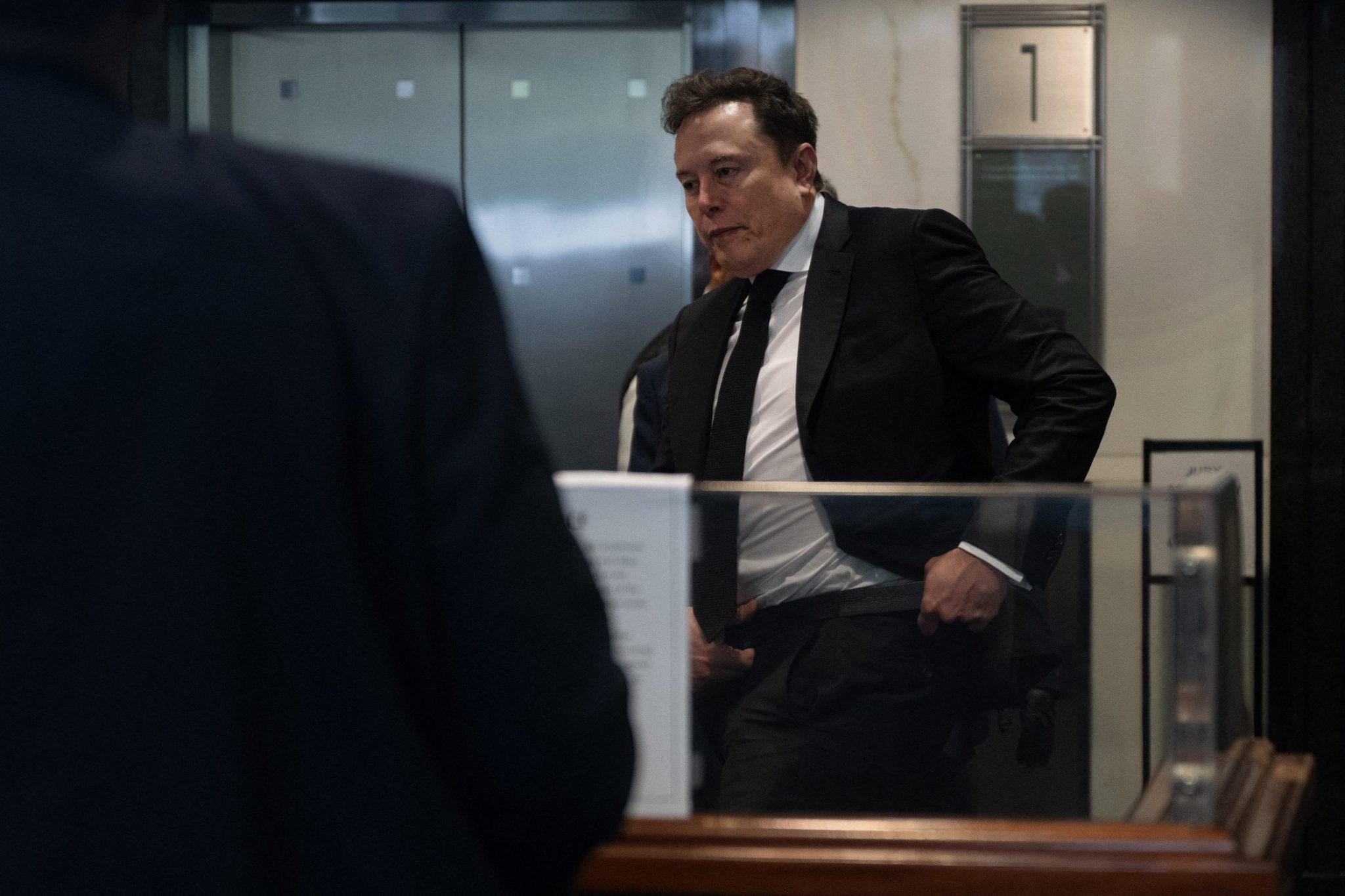
Elon Musk recently appeared in a federal court to testify in his legal battle against OpenAI. During his testimony, the billionaire warned that artificial intelligence could pose a serious threat to the future of humanity. He also shared a personal story about a disagreement with Google co-founder Larry Page, which he claims was the main reason he helped start OpenAI. Musk believes the company has moved away from its original goal of helping the public and has instead focused on making money.
Main Impact
This trial is a major event in the tech world because it questions the motives of the most famous AI company in existence. If Musk wins, OpenAI and its partner Microsoft could be forced to pay over $150 billion. The case highlights a deep conflict between those who believe AI should be open to everyone and those who believe it must be controlled by private companies to succeed. The outcome could change how future technology is developed and who gets to profit from it.
Key Details
What Happened
On the first day of his testimony in Oakland, California, Elon Musk spoke to a jury about his fears regarding AI. He used famous movies to explain his points. He said he wants the future to look like "Star Trek," where technology helps everyone, rather than "The Terminator," where machines destroy humans. Musk told the court that he helped create OpenAI to prevent a "bad outcome" for the world.
A major part of his testimony focused on a 2015 meeting with Larry Page. Musk claimed that Page was too relaxed about the dangers of AI. When Musk argued that humans should be protected, he says Page called him a "specieist." This term means someone who treats one species, like humans, as more important than others, including digital life forms. Musk told the jury that this insult was the reason OpenAI exists today.
Important Numbers and Facts
The history of OpenAI involves very large sums of money and a long timeline of events:
- $38 Million: The amount of money Musk says he donated to OpenAI when it was a nonprofit.
- $730 Billion: The estimated value of OpenAI after the success of ChatGPT.
- $150 Billion: The amount of money Musk is seeking in his lawsuit.
- 2015: The year OpenAI was founded by Musk, Sam Altman, and others.
- 2018: The year Musk left the company after a disagreement over who should lead it.
Background and Context
OpenAI started as a nonprofit research lab. Its goal was to make sure that artificial intelligence would benefit all of humanity. At the time, Musk and Sam Altman were worried that big companies like Google would get too much power over AI. They wanted to create a group that would share its findings with the world for free.
However, building advanced AI is very expensive. By 2017, the leaders of OpenAI realized they needed billions of dollars to keep going. They decided to create a for-profit side of the company to attract investors. Musk wanted to be the CEO and have most of the control, but the other founders did not agree. This led to a power struggle, and Musk eventually walked away from the project.
Public or Industry Reaction
Lawyers for OpenAI have a very different view of the situation. They told the jury that Musk is only suing because he is jealous of the company’s success. They argued that Musk tried to take over the company and failed. Now that OpenAI is worth hundreds of billions of dollars, they claim Musk is acting out of "sour grapes."
The lawyers also pointed out that Musk now runs his own AI company called xAI, which is a for-profit business. They suggested that Musk is not actually worried about the public good, but is instead trying to hurt a competitor. Some critics have also noted that while Musk claims to care about charity, his own foundation has struggled to meet the legal requirements for giving away money in recent years.
What This Means Going Forward
The trial is expected to last for about four weeks. In the coming days, Musk will face tough questions from OpenAI’s legal team. They will likely ask him why he wanted to turn OpenAI into a for-profit company himself if he was so committed to its nonprofit mission. The jury will have to decide if OpenAI truly lied to Musk or if this is simply a business dispute between former partners.
Regardless of the verdict, this case will keep the spotlight on AI safety. It forces the public to think about whether we can trust private corporations to develop powerful technology that could change every part of our lives. If Musk wins, it could set a new rule for how nonprofit organizations must behave when they start making money.
Final Take
This legal battle is a clash between some of the most powerful people in the tech industry. It shows that even the most successful leaders disagree on how to handle the risks of artificial intelligence. While the court will decide on the money and the legal facts, the bigger question of how to keep AI safe for humans remains unanswered. The "specieist" comment might have started the company, but the fight over its future is far from over.
Frequently Asked Questions
What does "specieist" mean in this case?
In this context, it refers to the idea that Elon Musk favors human beings over artificial intelligence or digital life forms. Musk claims Larry Page used the word to criticize him for being too worried about human safety.
Why is Elon Musk suing OpenAI?
Musk claims that OpenAI broke its original promise to be a nonprofit company that helps everyone. He believes the company is now focused only on making money for itself and its partner, Microsoft.
What is OpenAI's defense?
OpenAI argues that Musk is suing because he lost a power struggle to lead the company. They claim he wanted to turn it into a for-profit business under his own control and is now upset that they succeeded without him.



