
Summary
The ongoing energy crisis in Iran is changing how people in Southeast Asia think about transportation. For eight weeks, high fuel prices and limited supplies have forced drivers to wait in long lines at gas stations in countries like Thailand and Vietnam. Because gas has become so expensive and hard to find, many people are now choosing electric vehicles (EVs) instead. This shift is helping the region move away from oil faster than many experts expected.
Main Impact
The biggest effect of this crisis is the sudden jump in demand for electric cars. In the past, people mostly talked about EVs as a way to help the environment. Now, they are seen as a way to save money and stay independent from foreign oil. With the Strait of Hormuz closed and major countries like China and South Korea stopping fuel exports, the cost of gas has stayed very high. This has made electric cars a much more practical choice for the average driver.
Key Details
What Happened
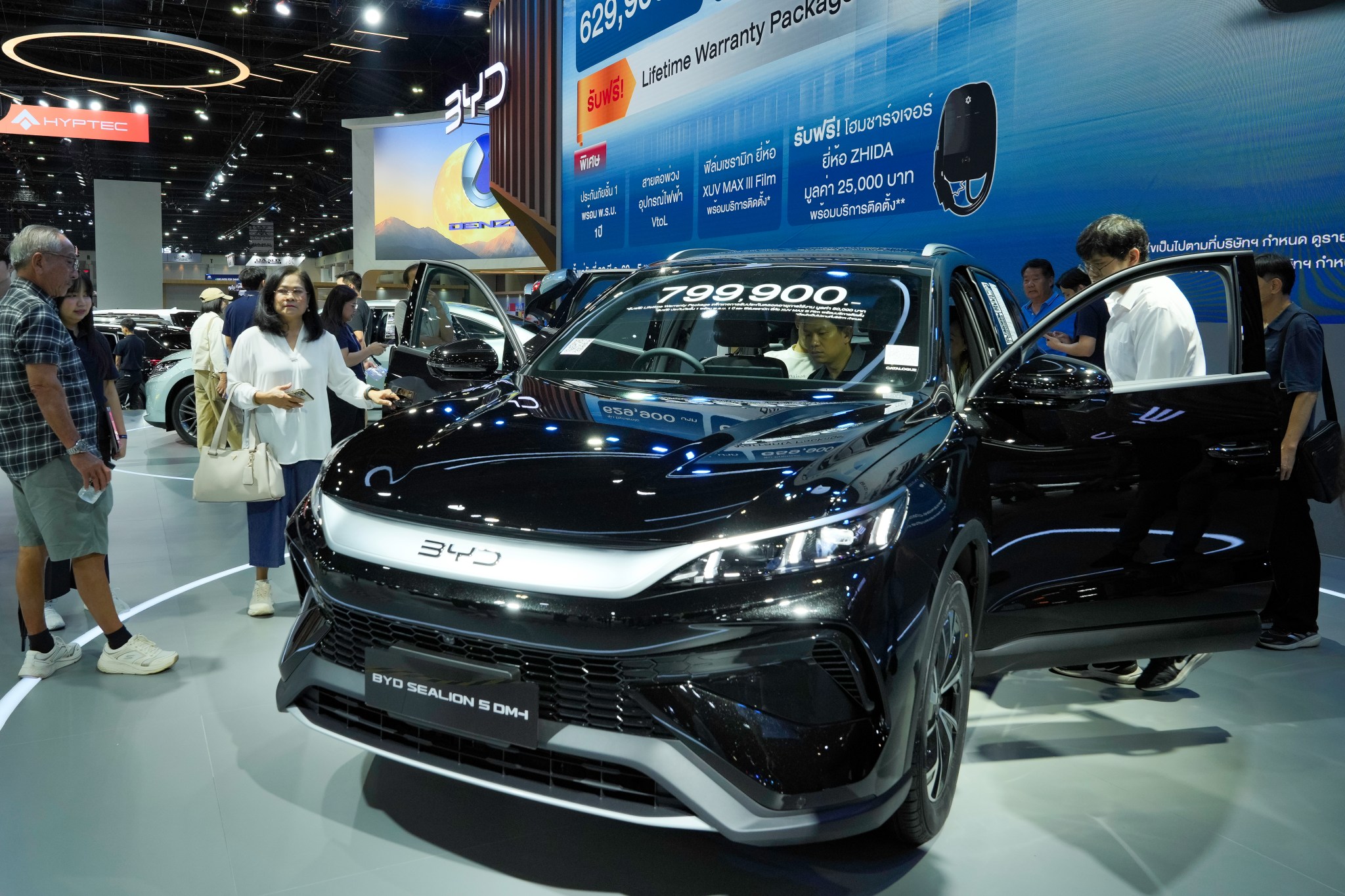
Drivers across Southeast Asia are facing a difficult situation. In the Philippines and Thailand, gas stations have struggled to keep up with demand. At the same time, the Bangkok Auto Show in April showed a major change in the car market. For the first time, the Chinese electric car company BYD received more orders than Toyota. This is a big deal because Toyota has been the leader in the region for a long time. Out of the top ten car brands at the show, seven were from China.
Important Numbers and Facts
The growth of the electric car market is clear from recent data. In March alone, global EV sales hit 1.75 million units, which is a 66% increase from the previous month. In Vietnam, electric cars now make up nearly 40% of all car sales, which is even higher than the average in Europe. One reason for this popularity is efficiency. Electric motors turn about 90% of their energy into movement. In contrast, traditional gas engines only use about 25% of the energy from fuel to move the car, while the rest is lost as heat.
Background and Context
China has played a huge role in making electric cars affordable for Southeast Asia. Since 2009, the Chinese government has spent more than $230 billion to support its EV industry. This money went into building charging stations, giving tax breaks to buyers, and helping companies research new technology. Because of this support, Chinese brands like BYD, Nio, and Xpeng can sell high-quality cars for much less money than Western companies. For example, some BYD models cost $20,000 less than a Tesla.
These companies are also adding features that appeal to modern drivers. Many new electric cars come with advanced voice assistants and software that helps with driving. By partnering with local businesses in Malaysia, Singapore, and the Philippines, Chinese carmakers have made it easy for people to buy and service these new vehicles.
Public or Industry Reaction
Experts believe that high gas prices are a stronger motivation for change than climate change warnings. When people see how much they are spending at the pump, they look for alternatives immediately. In Singapore, the government is actively pushing this change. They have extended subsidies for electric cars and plan to stop registering new gas-powered cars by 2030. They also promised to have fast-charging stations in every housing area by 2027.
However, not every country is moving at the same speed. In Japan and South Korea, drivers are still a bit cautious. Many people there still prefer hybrid cars, which use both gas and electricity, rather than switching to fully electric vehicles right away.
What This Means Going Forward
While the move to electric cars is happening fast, there are still some challenges to solve. First, electric cars are only as clean as the power used to charge them. In many parts of Southeast Asia, electricity is still made by burning coal. If the power grid does not become cleaner, the environmental benefits will be limited. There are also concerns about the batteries used in these cars. These batteries can be hard to recycle and can sometimes catch fire if they overheat. Some experts also warn that the total cost of owning an EV, including insurance and long-term repairs, might be higher than people expect.
Final Take
The energy crisis has proven that relying on imported oil is a major risk for Southeast Asia. While the transition to electric vehicles was already starting, the high cost of gas has turned a slow change into a rapid shift. As long as fuel prices remain high and Chinese manufacturers continue to offer affordable options, the region's roads will likely see more electric cars every year.
Frequently Asked Questions
Why are people in Southeast Asia switching to electric cars?
The main reason is the high cost of gasoline caused by the energy crisis in Iran. Electric cars are cheaper to run and help drivers avoid long lines and fuel shortages at gas stations.
Are Chinese electric cars better than others?
Chinese cars are very popular because they are often much cheaper than Western brands like Tesla. They also offer many high-tech features, such as AI assistants and advanced driving software, for a lower price.
Are there any downsides to electric vehicles?
Yes, there are some concerns. These include the environmental impact of the power grid, the difficulty of recycling large batteries, and the potential for higher insurance and repair costs over time.



