
Summary
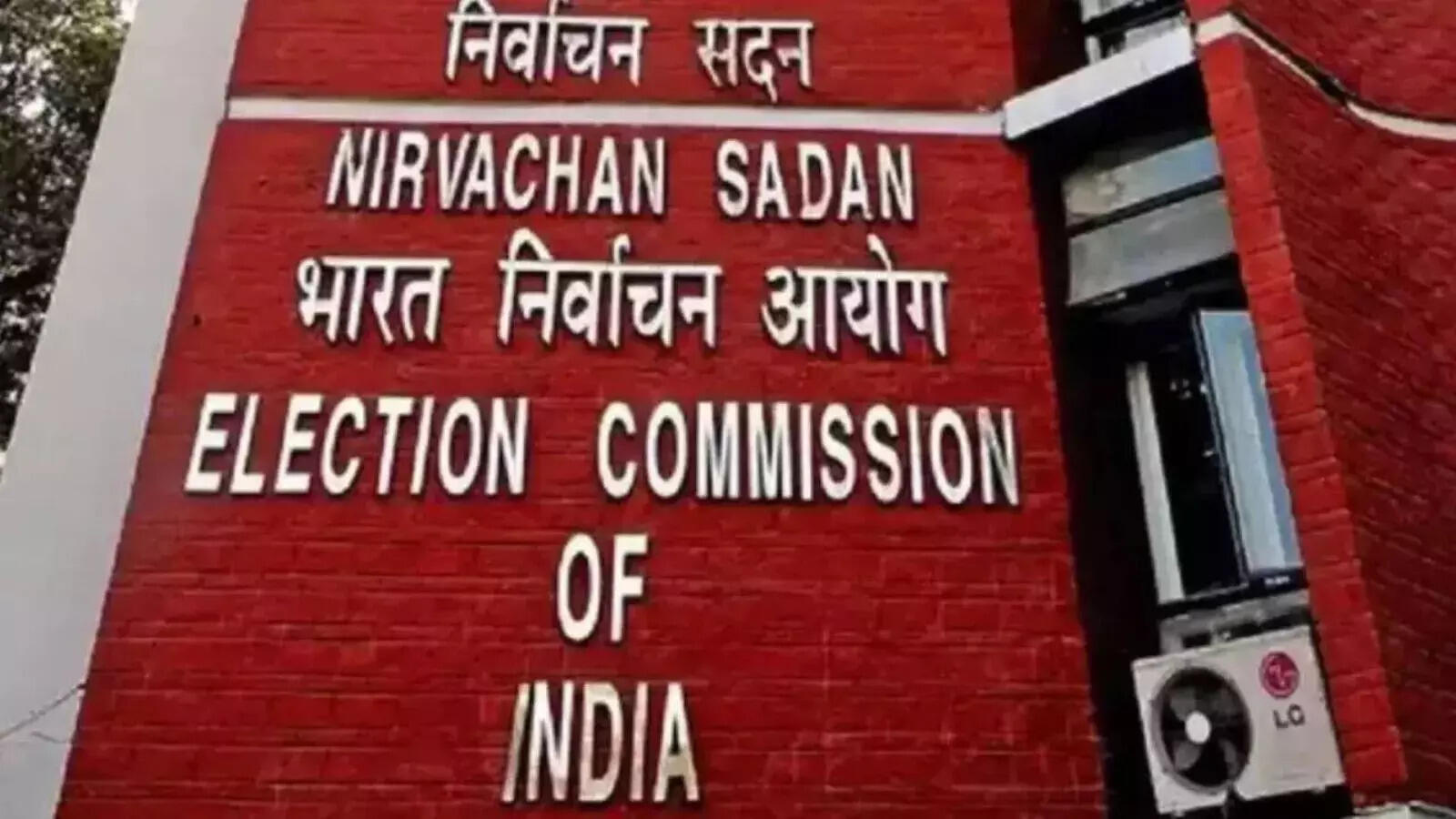
The Election Commission of India has announced a significant change to the rules regarding election symbols for smaller political parties. This decision makes it much easier for unrecognized parties to obtain a common symbol for their candidates during elections. By relaxing these requirements, the commission aims to create a more balanced environment for all political groups. This move is expected to help new and smaller parties build a clearer identity with voters across different regions.
Main Impact
The primary impact of this rule change is the removal of a major barrier for new political organizations. In the past, many small parties struggled because their candidates were forced to use different symbols in different areas. This often led to confusion among voters and made it difficult for a party to run a unified campaign. Now, these parties can apply for a single, consistent symbol that represents them everywhere they contest. This change strengthens the democratic process by allowing more diverse voices to compete on a more equal footing with established political giants.
Key Details
What Happened
The Election Commission updated the guidelines that govern how symbols are given to political parties. Previously, a party that was not officially "recognized" had to meet strict performance goals to qualify for a common symbol. One of the hardest rules was the requirement to have secured a certain percentage of votes in a previous election. The commission has now decided to set aside this specific requirement, allowing parties to apply for a common symbol based on their current participation rather than past performance.
Important Numbers and Facts
Under the old rules, an unrecognized party often had to show it had won at least 1% of the total valid votes in a previous state or national election to get a common symbol. For a brand-new party, this was an impossible task. The new rules focus more on the party’s intent to contest the current election. To qualify now, a party generally needs to field candidates in at least 5% of the total seats in a state assembly or the national parliament. This shift from "past votes" to "current candidates" is a major relief for grassroots political movements.
Background and Context
In India, election symbols are more than just pictures; they are the primary way many people identify who they are voting for. Because the country has a large and diverse population, symbols help voters find their preferred choice quickly on a ballot paper or an electronic voting machine. There are two types of parties: recognized and unrecognized. Recognized parties, like the major national ones, have permanent symbols that never change. Unrecognized parties usually have to pick from a list of "free symbols" like a kite, a bat, or a whistle.
Before this change, if an unrecognized party did not meet the 1% vote share rule, its candidate in one town might have a "cup and saucer" symbol, while their candidate in the next town had a "sewing machine." This made it very hard for a party to tell voters, "Look for this one symbol to support us." The new policy fixes this problem by letting the party use the same image for all its candidates in a specific election cycle.
Public or Industry Reaction
Political experts and smaller party leaders have reacted positively to this news. Many argue that the previous rules favored large, wealthy parties that already had established names and symbols. Small party leaders have stated that this change allows them to spend less time explaining their symbol to voters and more time talking about their policies. Some critics, however, worry that this might lead to a very long list of candidates on the ballot, which could make the voting process take longer. Despite these concerns, the general feeling is that the move promotes fairness and encourages new people to enter politics.
What This Means Going Forward
As we move toward the next major election cycle, we can expect to see a rise in the number of small parties using unified branding. This will likely lead to more creative campaigning, as these groups can now invest in posters, flags, and digital ads featuring a single symbol. The Election Commission will need to manage a higher volume of applications for these symbols and ensure that the "free symbols" list is large enough to accommodate everyone. For the average voter, this means more choices on the ballot, but with the added clarity of seeing a consistent symbol for each political group.
Final Take
The decision to relax symbol rules is a practical and fair update to India's election system. It recognizes that every political party starts small and needs a fair chance to be identified by the public. By focusing on current participation instead of past results, the Election Commission is helping to modernize the way elections are fought and won.
Frequently Asked Questions
What is an unrecognized political party?
An unrecognized party is a registered political group that has not yet met the specific vote or seat percentage required by the Election Commission to be labeled as a "State" or "National" party.
Why are symbols so important in Indian elections?
Symbols are vital because they provide a visual way for voters to identify candidates. This is especially helpful in areas where literacy rates vary, ensuring everyone can cast their vote accurately.
What was the main rule that was changed?
The main change was the removal of the requirement for a party to have secured at least 1% of the total votes in a previous election to be eligible for a common symbol for all its candidates.



