
Summary
The High Court has issued a strong statement against the Election Commission regarding new restrictions on motorcycles during election periods. The court described these limits as an abuse of power and an unfair way to stop regular daily activities. This legal move highlights the tension between keeping elections safe and protecting the basic rights of citizens to move around freely. The judges made it clear that while the commission has a job to do, it cannot pass rules that make life unnecessarily difficult for the public.
Main Impact
This ruling changes how election rules are applied to transport and travel. By calling the restrictions an "unreasonable attempt to halt everything," the court has set a limit on how much the Election Commission can interfere with the lives of ordinary people. The decision ensures that authorities must have a very good reason before they stop people from using their vehicles. It protects workers, students, and families who rely on bikes for their daily needs, even when an election is happening nearby.
Key Details
What Happened
The High Court reviewed a set of rules recently put in place by the Election Commission. These rules were meant to control the use of motorcycles, often used in political rallies or to move groups of supporters. However, the court found that the way these rules were written was too broad. Instead of just targeting political groups, the rules ended up affecting everyone. The judges stated that the commission was using its authority in a way that was not fair or balanced.
Important Numbers and Facts
The court focused on the fact that millions of people use two-wheelers as their primary mode of transport. In many areas, especially during the final days before a vote, the commission had tried to limit bike movement significantly. The court pointed out that such a wide ban is not supported by law if it stops people from going to work or buying food. The ruling emphasizes that the "Model Code of Conduct" is a guide for fair play, not a tool to shut down a city or town.
Background and Context
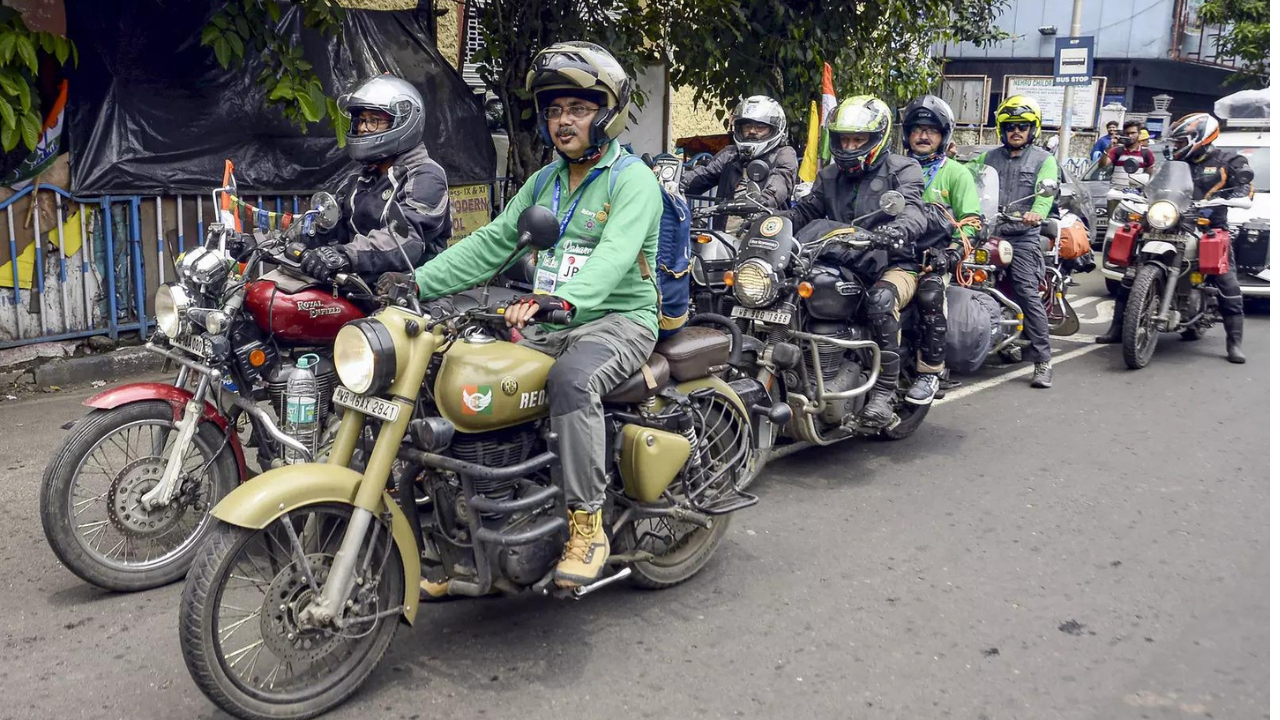
In many countries, especially in India, elections are a massive operation. The Election Commission is responsible for making sure that no one uses money or force to win votes. One common tactic used by political parties is the "bike rally," where hundreds of riders travel together to show strength. Sometimes, these rallies can lead to traffic problems or even fights between different groups. To prevent this, the commission often tries to ban or limit bikes in the days leading up to an election.
However, there is a big difference between stopping a political parade and stopping a single person from riding their bike to a shop. The High Court noticed that the current rules did not make this distinction clear enough. By trying to stop potential trouble, the commission accidentally created a situation where regular people felt like they were being punished for an election they were simply trying to participate in as voters.
Public or Industry Reaction
Many citizens have expressed relief following the court's comments. For many low-income workers, a motorcycle is the only way to reach their jobs on time. Delivery workers and small business owners also felt the pressure of these strict rules. Legal experts have noted that this ruling is a win for civil liberties. They argue that while the Election Commission is powerful, it is not above the law and must respect the constitutional right to move freely across the country.
What This Means Going Forward
Moving forward, the Election Commission will likely have to rewrite its guidelines for vehicle use. They will need to find a way to stop illegal political activities without bothering the general public. This might mean using more police checks to find actual lawbreakers instead of placing a blanket ban on all riders. The court's decision serves as a reminder that every government body must act with common sense and stay within its legal boundaries.
Future elections will likely see more specific rules. For example, the commission might only ban groups of more than three bikes or focus only on bikes carrying political flags. This would allow the average person to continue their day without fear of being stopped by the police for simply riding their vehicle.
Final Take
The High Court has sent a powerful message that the rights of the people must come first. While having fair and peaceful elections is very important, it should not come at the cost of basic freedom. The Election Commission must now balance its duty to manage the vote with its duty to respect the public. This ruling ensures that the law remains a shield for the common man, even during the busy and often tense time of an election season.
Frequently Asked Questions
Why did the court criticize the Election Commission?
The court felt the commission was using its power unfairly by putting too many restrictions on motorcycles, which affected regular people more than political troublemakers.
Can I still ride my bike during an election?
Yes, the court's ruling supports the right of regular citizens to use their vehicles for daily needs. The commission cannot stop you without a specific, legal reason.
What are bike rallies, and why are they restricted?
Bike rallies are large groups of political supporters riding together. They are often restricted because they can cause traffic jams, noise, and sometimes lead to violence or voter intimidation.



