
Summary
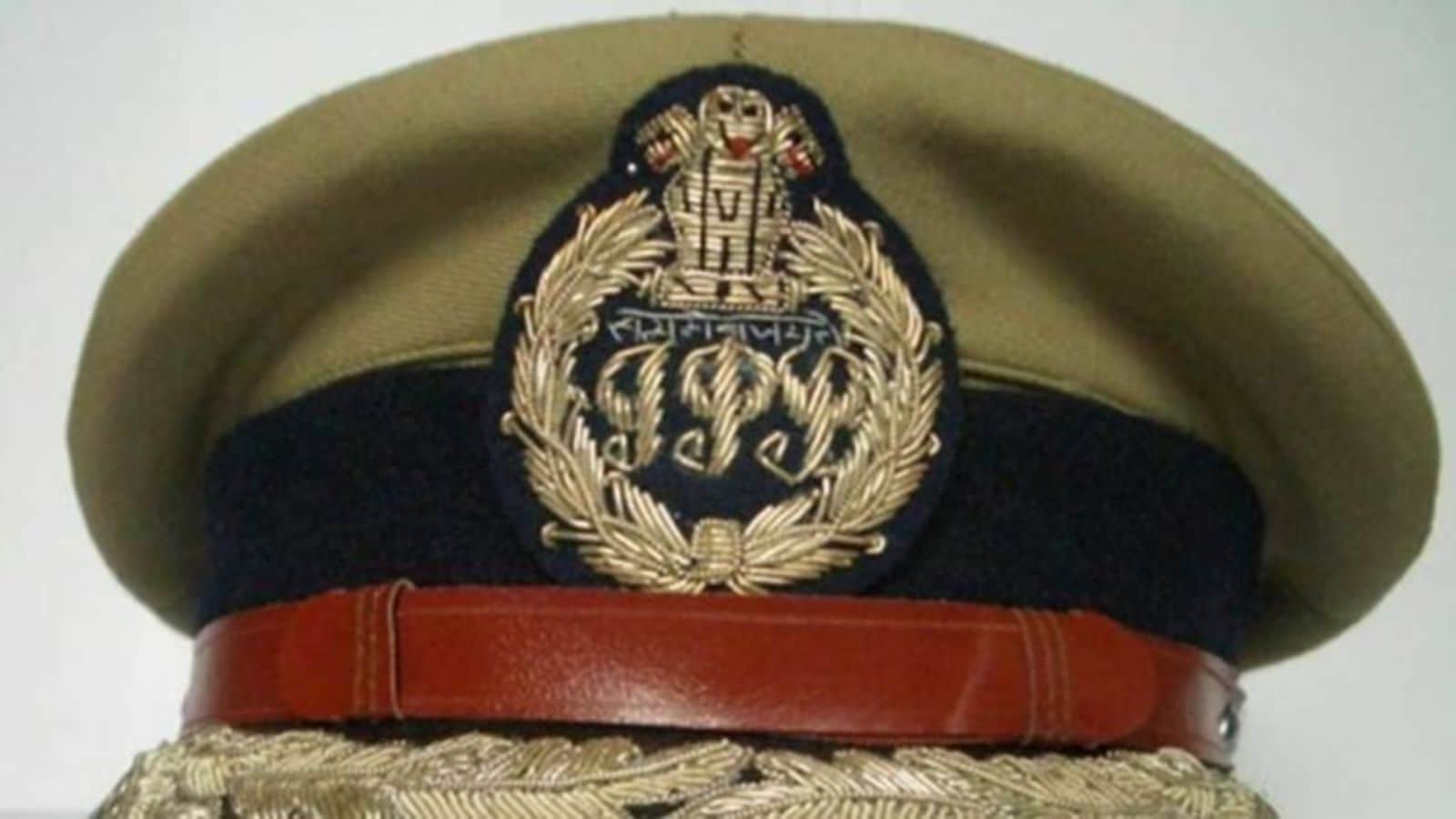
The Election Commission of India recently issued a directive involving 15 senior police officers from West Bengal. These officers were assigned to serve as election observers for the upcoming polls in Tamil Nadu and Kerala. However, in a quick turn of events, the commission decided to put a temporary hold on the orders for five of those officers. This decision highlights the ongoing logistical challenges of managing security personnel during large-scale national voting events.
Main Impact
The primary impact of this move is the sudden shift in police leadership across three major states. By pulling senior Indian Police Service (IPS) officers from West Bengal, the Election Commission aims to ensure that the voting process in Tamil Nadu and Kerala remains neutral and fair. Using officers from a different state helps prevent local political influence. The decision to pause the transfer of five specific officers suggests that there may be urgent security needs or administrative gaps in West Bengal that require these leaders to stay behind for the time being.
Key Details
What Happened
The Election Commission (EC) is responsible for making sure that elections in India are conducted without any cheating or violence. To do this, they often move high-ranking police officers from one state to another to act as "observers." These observers watch the local police and election staff to make sure everyone follows the law. Initially, the EC selected a group of 15 IPS officers from the West Bengal cadre. These officers were expected to pack their bags and head south to monitor the polling stations and security arrangements in Tamil Nadu and Kerala. Shortly after the first list was released, a second notice was issued that stopped five of those officers from leaving immediately.
Important Numbers and Facts
The original list included 15 names, all of whom hold significant ranks within the police force, such as Inspector General (IG) or Deputy Inspector General (DIG). Out of this group, 10 officers are still moving forward with their assignments in the southern states. The remaining five have been told to wait for further instructions. This type of reshuffling is common during the election season, as the EC constantly monitors the "ground reality" or the actual situation in each district. The dates for these deployments usually align with the various phases of the voting calendar, which can span several weeks.
Background and Context
In India, elections are a massive undertaking. Because politics can be very intense, the Election Commission has the power to take control of the police and civil service during the voting period. This is done to make sure that the ruling party in any state cannot use the police to win an election unfairly. West Bengal has a history of very active and sometimes tense political contests, which makes its police force highly experienced in handling large crowds and security risks. This experience is why the EC often picks Bengal officers to help out in other states. At the same time, the EC must be careful not to leave West Bengal with too few leaders, especially if there are concerns about safety within the state itself.
Public or Industry Reaction
The reaction to these orders is often mixed. Within the police force, being chosen as an election observer is seen as a major responsibility, but it also means being away from home and family for a long time. Political parties in West Bengal often watch these moves closely. Some local leaders worry that moving too many officers out of the state could lead to a drop in local security. On the other hand, political groups in Tamil Nadu and Kerala generally welcome outside observers, as it gives voters more confidence that the election will be handled strictly by the book. The sudden pause for five officers has led to some talk among officials about whether there was a mistake in the initial planning or if a new security threat emerged that required those officers to stay in Bengal.
What This Means Going Forward
For the 10 officers who are still going, their next few weeks will be spent traveling to different districts in the south. They will meet with local leaders, inspect voting booths, and ensure that security forces are placed in the right spots. For the five officers whose orders were paused, they remain in their current roles in West Bengal but must stay ready to move if the EC changes its mind again. This situation shows that the roadmap for an election is never set in stone. The Election Commission will continue to move people around like pieces on a chessboard to make sure that no single area is left unprotected and no election is left unmonitored.
Final Take
The movement of police officers across state lines is a vital part of keeping democracy healthy in a large country. While the pause on five officers might seem like a small administrative change, it reflects the careful balance the Election Commission must maintain. Ensuring that Tamil Nadu and Kerala have enough observers while making sure West Bengal remains stable is a difficult task. As the election dates get closer, more changes to these assignments are likely to happen to meet the changing needs of the country.
Frequently Asked Questions
Why does the Election Commission move police officers to different states?
Officers are moved to different states to act as neutral observers. Since they do not have local political connections in the new state, they can ensure the election is fair and that the local police are doing their jobs correctly.
What do election observers actually do?
They monitor the security at polling stations, check for any illegal activities like voter bribery, and make sure that all candidates follow the official rules of the election. They report directly to the Election Commission.
Why were five officers told to stay in West Bengal?
The specific reason was not given, but it usually happens because those officers are needed for local security duties or because the Election Commission decided to change the number of observers needed in the target states.



