
Summary
Traders across India are calling on the Election Commission of India (ECI) to update the rules for carrying cash during election periods. Currently, individuals are stopped and questioned if they carry more than ₹50,000 in cash. Business groups argue that this limit is outdated and does not reflect the current cost of goods and services. They are formally requesting that the limit be increased to ₹2 lakh to prevent unnecessary trouble for honest business owners.
Main Impact
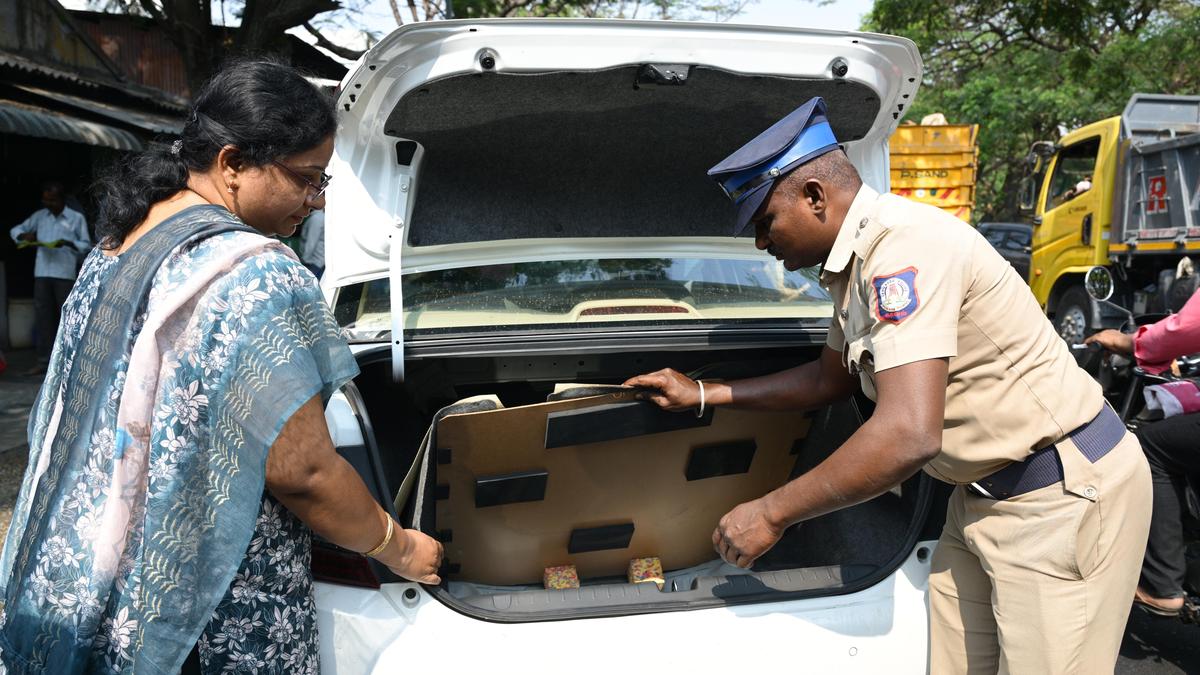
The current cash limit has a significant effect on small and medium-sized businesses. During election seasons, security teams and flying squads set up checkpoints to monitor the movement of money. While these checks are meant to stop illegal spending and vote-buying, they often catch legitimate traders who use cash for daily operations. When cash is seized, it can take weeks or even months for a business owner to prove the source of the money and get it back. This delay can cause a complete stop in business activities, leading to financial loss and mental stress for small shopkeepers.
Key Details
What Happened
Various trade associations have sent letters and petitions to the Election Commission. They point out that the ₹50,000 limit was established many years ago when the value of the rupee was different. In today’s economy, ₹50,000 is a very small amount for a business transaction. For example, a small retailer buying stock from a wholesaler or a farmer selling produce often deals in amounts much higher than this. The traders believe that the low limit treats every business person like a suspect, which hurts the local economy during the very weeks when commerce should be active.
Important Numbers and Facts
The primary demand is to move the limit from ₹50,000 to ₹2,00,000. Traders argue that inflation has made the old limit irrelevant. Over the last decade, the prices of basic goods, transport, and labor have risen sharply. Many small businesses in rural and semi-urban areas still rely heavily on cash because digital payment systems are not always available or reliable for large wholesale purchases. The traders also noted that the current rules require them to carry a mountain of paperwork for even small amounts, which is not always practical during a busy workday.
Background and Context
The Election Commission of India puts these rules in place under the Model Code of Conduct. The goal is to ensure fair elections by preventing political parties from using "black money" to influence voters. In the past, large amounts of cash have been used illegally during campaigns. To stop this, the ECI monitors any movement of cash over ₹50,000. If a person cannot provide immediate proof, such as bank withdrawal slips or business invoices, the money is taken into custody. While the intention is to protect democracy, the practical side of the rule has become a burden for the trading community.
Public or Industry Reaction
The reaction from the business community has been one of frustration. Many trade leaders say that the "inspector raj" feeling returns every time an election is announced. They feel that while the government promotes "ease of doing business," these election rules do the opposite. Industry experts suggest that the ECI should use modern technology and data from tax departments to track suspicious movements rather than stopping every person on the road. There is a general consensus among business owners that a higher limit would still allow the government to catch major illegal activities while letting small-scale trade continue without fear.
What This Means Going Forward
If the Election Commission decides to raise the limit, it would be a major relief for millions of small businesses. It would reduce the number of cash seizures and lower the workload for the police and tax officials who have to process these cases. However, the ECI must balance this with the need to keep elections clean. If they do not raise the limit, traders may choose to reduce their business activity during election months to avoid the risk of having their money seized. This could lead to a temporary slowdown in the markets and a shortage of goods in some areas.
Final Take
Rules that were made years ago often need to change as the world changes. The demand to raise the cash-carrying limit to ₹2 lakh is a practical request based on the reality of today’s prices. Finding a middle ground between stopping election fraud and supporting honest trade is essential for a healthy economy and a fair democratic process.
Frequently Asked Questions
Why is there a limit on carrying cash during elections?
The limit is set by the Election Commission to prevent the use of illegal money to influence or buy votes. It is part of the effort to keep elections fair and transparent.
What is the current cash limit in India during elections?
Currently, any individual carrying more than ₹50,000 in cash may be stopped by election officials and asked to provide proof of the source and purpose of the money.
What happens if my cash is seized by election officials?
If you cannot provide proper documents on the spot, the money is seized. You will then have to present evidence, such as bank statements or invoices, to a committee or a court to get the money released.



