
Summary
Official authorities in Saudi Arabia, the United Arab Emirates, Kuwait, Qatar, and Bahrain have confirmed the start date for Eid Al Fitr 2026. Following the traditional sighting of the crescent moon, these Gulf nations announced that the festival will begin on Friday, March 20, 2026. This major announcement marks the end of the holy month of Ramadan, a period of fasting and prayer for Muslims worldwide. The confirmation allows millions of residents and citizens to begin their holiday celebrations and family gatherings.
Main Impact
The official announcement of the Eid Al Fitr date triggers a massive shift in daily life across the Gulf region. With the date now set for March 20, government offices and private companies are preparing for an extended holiday break. This period is vital for the local economy as it drives a significant increase in retail shopping, dining, and domestic travel. Families who have been waiting for the official word can now finalize their travel plans and social events, ensuring that the spirit of the holiday is felt in every household.
Key Details
What Happened
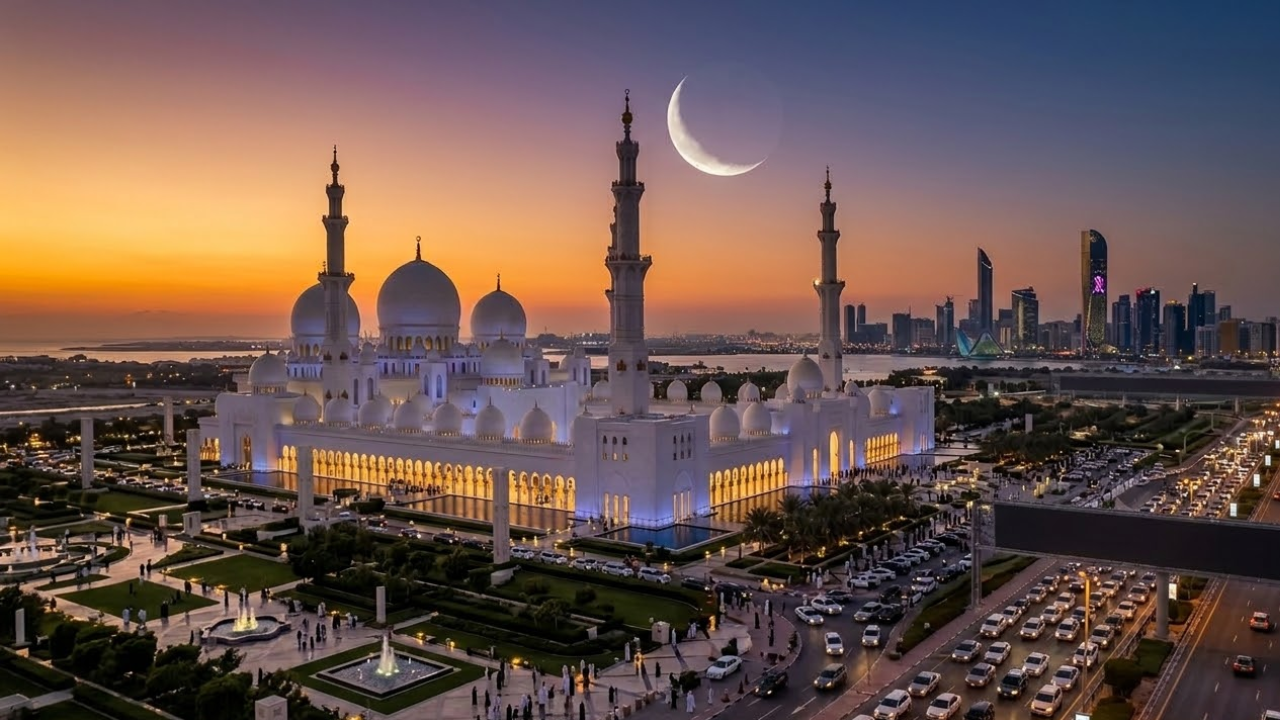
On the evening of March 19, 2026, moon-sighting committees across the Middle East gathered to look for the new crescent moon. In Saudi Arabia, the Supreme Court monitored reports from various sighting points across the Kingdom. Similarly, the UAE moon-sighting committee met in Abu Dhabi to coordinate with neighboring countries. Once the moon was spotted, official statements were released through state news agencies, confirming that Ramadan would last 29 or 30 days, depending on the specific local sighting, and that the first day of the month of Shawwal would be Friday.
Important Numbers and Facts
The holiday period typically lasts between three to five days for the public sector in these countries. In the UAE and Saudi Arabia, many employees will enjoy a long weekend starting from the end of the workweek. Retailers in major cities like Dubai, Riyadh, and Doha have reported a 30% increase in foot traffic leading up to the announcement. Additionally, airlines have seen a surge in bookings as expatriates travel home and locals head to popular vacation spots. The religious significance is also marked by the "Zakat al-Fitr," a mandatory charitable donation given before the Eid prayer, which helps ensure that everyone in the community can celebrate.
Background and Context
Eid Al Fitr is known as the "Festival of Breaking the Fast." It is one of the two most important holidays in the Islamic calendar. For the past month, Muslims have spent their daylight hours fasting, which means they do not eat or drink from dawn until sunset. This month, called Ramadan, is a time for self-reflection, patience, and helping those in need. Because the Islamic calendar is based on the moon, the dates change every year by about ten or eleven days. This is why the official announcement is always made late in the evening after religious experts look at the sky. Understanding this lunar cycle is key to knowing why the exact date of Eid can sometimes vary slightly between different parts of the world.
Public or Industry Reaction
The reaction to the news has been one of joy and excitement. Social media platforms are filled with messages of "Eid Mubarak," which means "Blessed Eid." In the business world, the travel and hospitality sectors are seeing their busiest time of the year. Hotels in coastal areas are reporting high occupancy rates as families look for short getaways. Local markets, or souqs, are staying open late into the night to accommodate shoppers buying new clothes and traditional sweets. Community leaders have also praised the coordinated efforts of the Gulf nations to align their holiday schedules, making it easier for families living across different borders to celebrate together.
What This Means Going Forward
As the region moves into the Eid holidays, the focus will shift from fasting to celebration. Public parks, malls, and entertainment centers are expected to be very crowded over the next few days. Authorities have advised the public to follow safety guidelines during large gatherings and to be mindful of traffic congestion near mosques during the early morning Eid prayers. After the holiday ends, schools and businesses will return to their regular operating hours. This transition marks the return to a normal routine after a month of altered schedules and late-night activities. The successful coordination of the moon sighting also highlights the continued cultural and religious unity among the Gulf Cooperation Council (GCC) countries.
Final Take
The confirmation of Eid Al Fitr for March 20, 2026, brings a sense of completion to the spiritual journey of Ramadan. It is a time when the fast is replaced by feasts and the quiet of prayer is joined by the sounds of celebration. For the people of the UAE, Saudi Arabia, Kuwait, Qatar, and Bahrain, the next few days will be a period of rest, gratitude, and community connection. This annual tradition remains a powerful reminder of the shared values and heritage that define the region.
Frequently Asked Questions
When does Eid Al Fitr 2026 officially start in the Gulf?
Authorities have confirmed that Eid Al Fitr will officially begin on Friday, March 20, 2026, following the sighting of the new crescent moon.
How long do the Eid holidays usually last?
While the religious festival lasts three days, many governments in the Gulf region grant four to five days of holiday for public sector workers, often creating a long weekend.
What is the significance of the moon sighting?
The Islamic calendar is lunar, so months begin when the new crescent moon is seen. The sighting marks the end of the fasting month of Ramadan and the start of the month of Shawwal.

