
Summary
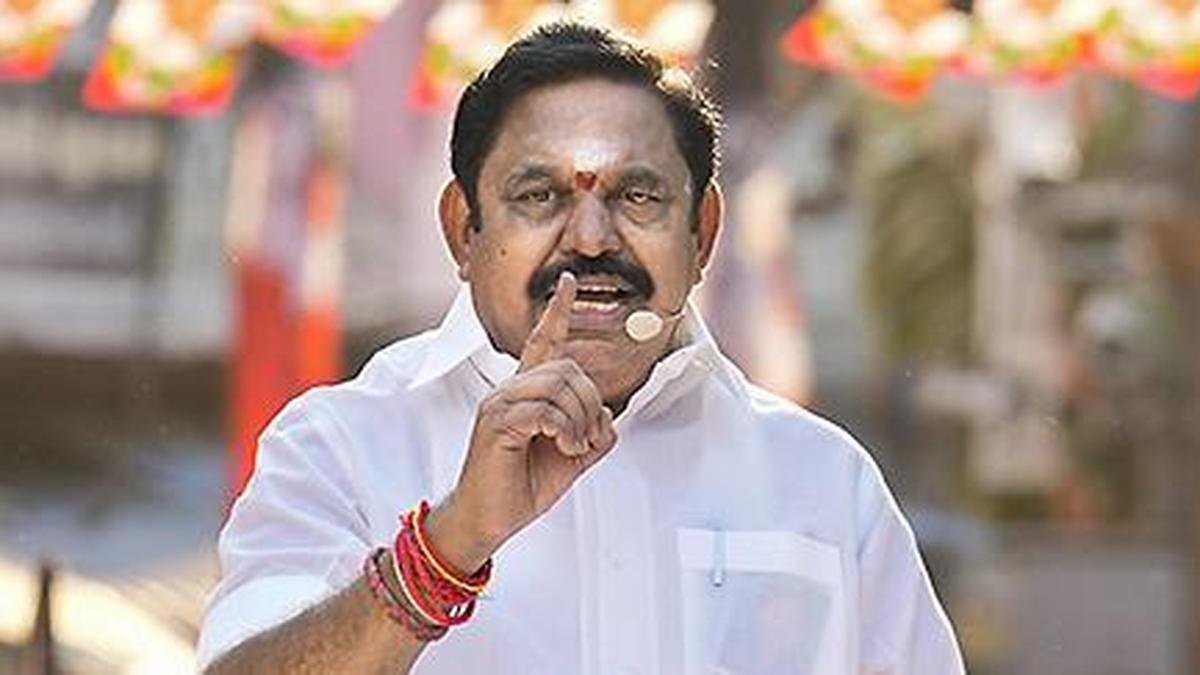
Edappadi K. Palaniswami, the leader of the AIADMK, is currently fighting to protect his political image in Tamil Nadu. His main rivals, the DMK, are trying to paint him as a leader who follows every order from the central government in Delhi. This has led to a heated debate about whether the AIADMK has lost its independence. Palaniswami is now taking strong steps to show he is in charge of his party and its future.
Main Impact
The biggest impact of this political struggle is the way the upcoming elections are being framed. The DMK is turning the contest into a battle between "Tamil Nadu pride" and "Delhi control." By labeling Palaniswami as a puppet of the central government, they hope to win over voters who value state independence. This puts Palaniswami in a difficult position where he must prove his strength as a local leader while managing a complex relationship with the BJP.
Key Details
What Happened
The DMK has launched a focused campaign against the AIADMK leadership. They claim that Palaniswami, often called EPS, is subservient to Prime Minister Narendra Modi and the BJP. To counter this, EPS has been very active in making major party decisions on his own. He recently took the lead in announcing seat-sharing deals with other smaller parties. This was a clear signal that he does not intend to wait for approval from leaders in Delhi.
Important Numbers and Facts
While the AIADMK and BJP are often seen as partners, the BJP has notably avoided naming Palaniswami as the official Chief Ministerial candidate for their alliance. This silence has given the DMK more fuel for their arguments. In past elections, the AIADMK was the clear "big brother" in any local alliance. Today, the party is fighting to keep that status. EPS is working to ensure his party maintains the majority of seats in any deal, aiming to keep at least 150 to 170 seats for his own candidates to ensure a strong presence in the assembly.
Background and Context
In Indian politics, the name Nitish Kumar is often used to describe a leader who frequently changes sides or depends heavily on the central government to stay in power. Critics are now using this comparison for Palaniswami. They suggest that he cannot lead Tamil Nadu without the help of the BJP. This is a sensitive issue because Tamil Nadu has a long history of Dravidian politics. This type of politics focuses on the rights of the state and often views interference from the central government with suspicion. For decades, leaders like MGR and Jayalalithaa built the AIADMK as a force that stood up for the people of the state. EPS is now trying to show that he is the true successor to that legacy.
Public or Industry Reaction
Political observers have noticed a shift in how Palaniswami is handling his public appearances. Instead of appearing alongside national leaders at every event, he is focusing more on local issues and party organization. Within the AIADMK, there is some worry that being too close to the BJP might push away neutral voters. However, many party workers are happy to see EPS taking a firm stand during negotiations. They believe that by asserting himself now, he can stop the narrative that he is a "yes-man" for Delhi. On the other side, the DMK continues to use social media and public rallies to remind voters of the AIADMK's ties to the central government, calling it a betrayal of Tamil interests.
What This Means Going Forward
The next few months will be a major test for Palaniswami’s leadership. He needs to find a way to keep his alliance strong enough to win, but independent enough to satisfy local voters. If he can successfully lead the seat-sharing talks and run a campaign focused on state issues, he may be able to shake off the "Nitish Kumar" label. However, if the BJP continues to withhold their public support for him as the leader of the alliance, it will remain a weak point that his enemies will continue to attack. The outcome of this power struggle will decide if the AIADMK remains a dominant force in Tamil Nadu or if it becomes a secondary player to national parties.
Final Take
Palaniswami is at a crossroads where he must choose between political safety and political identity. By taking charge of the election process, he is trying to prove that he is a leader who answers only to the people of Tamil Nadu. His success will depend on whether voters see him as a strong, independent voice or as a leader who is simply trying to survive by following Delhi's lead.
Frequently Asked Questions
Why is the DMK calling the AIADMK subservient?
The DMK claims that the AIADMK follows the central government's orders on major policies. They use this to argue that the AIADMK is no longer protecting the specific interests and rights of Tamil Nadu.
What does the comparison to Nitish Kumar mean?
Nitish Kumar is a politician known for his shifting alliances with the BJP. By using this name, critics are suggesting that Palaniswami is not a truly independent leader and relies on the central government to stay relevant.
How is Palaniswami proving his leadership?
He is taking a lead role in party decisions, specifically in deciding which parties get to contest which seats in the upcoming elections. By making these announcements himself, he is showing that he is the one in control of the alliance.



