
Summary
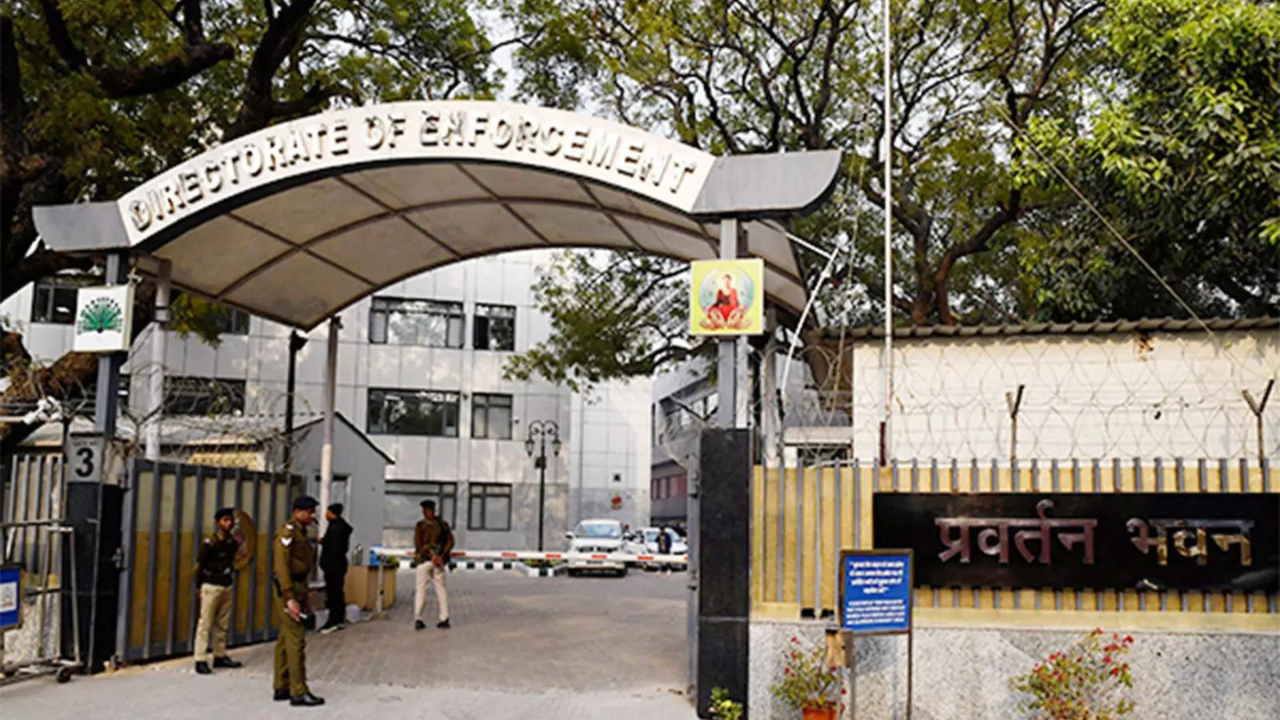
The Enforcement Directorate (ED) has raised serious concerns in the Supreme Court regarding the legal positions taken by the West Bengal government. The federal agency claims that the state is giving contradictory arguments about its legal rights and the use of writ petitions. This legal battle focuses on whether a state government can use certain court processes that are usually reserved for individual citizens. The outcome of this case could change how federal agencies investigate crimes within different states across India.
Main Impact
This legal dispute is more than just a disagreement between a state and a federal agency. It touches on the core of how power is shared in India, often called federalism. If the court agrees with the ED, it could limit the ability of state governments to block federal investigations. On the other hand, if the state wins, it could give local governments more power to stop federal agencies from working within their borders without specific permission. This case will set a major rule for how the ED and the Central Bureau of Investigation (CBI) operate in states that do not want them there.
Key Details
What Happened
The Enforcement Directorate filed a formal statement in the Supreme Court to challenge a lawsuit started by the West Bengal government. West Bengal had filed what is known as an "original suit" against the Union of India. The state argues that the ED should not be allowed to carry out investigations in West Bengal because the state has withdrawn its "general consent." General consent is a standing permission that allows federal agencies to work in a state without asking for permission every single time.
The ED told the court that West Bengal is being inconsistent. The agency pointed out that while the state is fighting as a government entity, it is trying to use legal arguments that are meant to protect the fundamental rights of individual people. The ED argues that a state government is not a "person" in the eyes of certain laws and therefore cannot claim the same protections that a citizen would have under the Constitution.
Important Numbers and Facts
The case involves Article 131 of the Indian Constitution. This specific law allows the Supreme Court to hear cases where there is a direct dispute between the central government and a state government. West Bengal is using this law to stop the ED from filing new cases. The ED, however, argues that the state is trying to bypass the usual legal system. They mentioned that hundreds of cases are currently being looked at, and stopping these investigations could lead to evidence being lost or destroyed.
Background and Context
To understand this case, it is important to know how investigations work in India. Usually, police work is handled by the state. However, for big crimes like money laundering or corruption, federal agencies like the ED take over. For many years, most states gave "general consent" to these agencies to make work easier. In recent years, several states led by political parties that oppose the central government have cancelled this consent.
West Bengal is one of the states that cancelled this permission. They claim the central government is using agencies like the ED to target political rivals. The central government denies this, saying the agencies are just doing their jobs to stop crime. This has led to a situation where the ED wants to investigate, but the state says they are trespassing. The Supreme Court now has to decide who is right based on the law.
Public or Industry Reaction
Legal experts are divided on this issue. Some believe that states must have the power to control what happens within their borders to protect their own authority. They worry that if federal agencies have too much power, the state's own police force becomes useless. Others argue that crime does not stop at state lines. They believe that if a state can block an investigation, it might protect powerful people who have broken the law. Political leaders in West Bengal have called the ED's actions an attack on the state's rights, while federal officials say they are simply following the law to catch criminals.
What This Means Going Forward
The Supreme Court's decision will be a landmark ruling. If the court decides that West Bengal's arguments are contradictory, the state might lose its case, and the ED will continue its work without much trouble. If the court sides with the state, the central government might have to change how it handles federal investigations. This could lead to a new system where federal agencies must get a specific court order for every single case they want to investigate in certain states. This would make investigations much slower and more difficult to complete.
Final Take
The fight between the ED and the West Bengal government shows the tension between central authority and state rights. While the legal arguments are complex, the core issue is simple: who has the final say when a crime is committed? As the Supreme Court looks at these claims of contradiction, the focus remains on ensuring that the law is applied fairly to everyone, whether they are an individual citizen or a powerful government body. The clarity provided by the court will be essential for the future of law enforcement in India.
Frequently Asked Questions
What is general consent in this context?
General consent is a permanent permission given by a state government that allows federal agencies like the ED or CBI to investigate cases in that state without asking for permission every time a new case starts.
Why is the ED saying West Bengal is contradicting itself?
The ED claims the state is trying to use legal rights meant for individual citizens to protect the state government, while at the same time filing a lawsuit that only a government can file. The ED says these two positions do not match.
What is Article 131 of the Constitution?
Article 131 is a special rule that gives the Supreme Court the power to settle legal fights that happen directly between the central government of India and one or more state governments.



