Summary
The England and Wales Cricket Board (ECB) has announced a plan to look closely at its rules regarding injury replacements. This decision follows a recent disagreement during a high-profile match involving Lancashire. The team was told they could not bring in a replacement player after one of their main bowlers suffered an injury. This situation has caused a lot of talk in the cricket world about how fair the current rules are for teams that lose players unexpectedly.
Main Impact
The biggest impact of this review will be on how teams manage their squads during a game. Currently, if a player gets hurt, the rules for bringing in a new player are very strict. The goal of the ECB review is to see if these rules need to be more flexible. If the rules change, it could prevent teams from being forced to play with fewer people, which often makes it much harder for them to win. It also aims to make sure that the officials who make these decisions are following a clear and fair process.
Key Details
What Happened
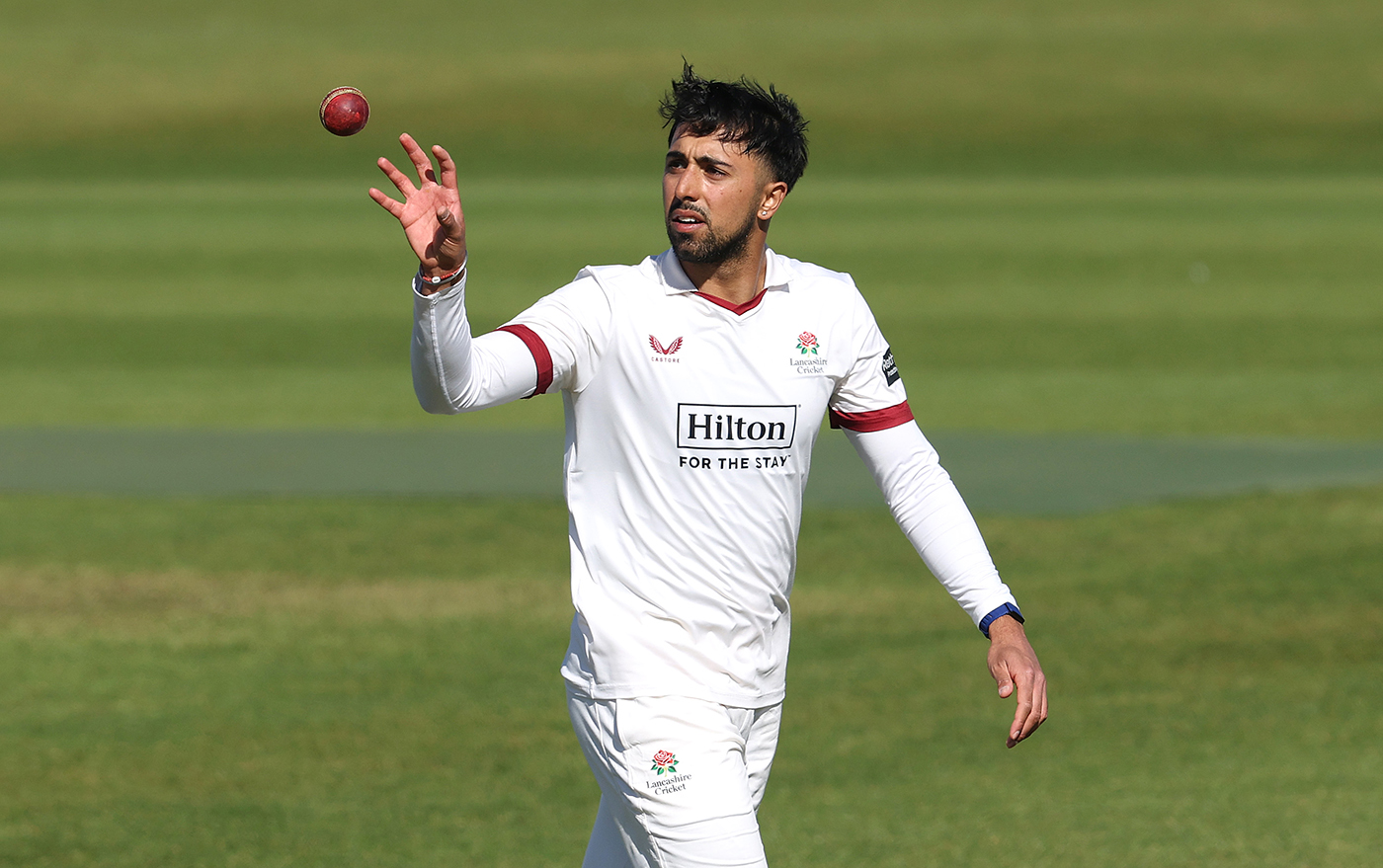
During a recent game, Lancashire player Ajeet Singh Dale was forced to leave the field because of an injury. Because he could no longer play, Lancashire asked to bring in Tom Bailey as a replacement. In cricket, a replacement must be "like-for-like," which means the new player must have similar skills to the one who is hurt. Lancashire believed that Bailey was a perfect match for Dale. However, the match officials did not agree and turned down the request. This left Lancashire without a key player for the rest of the match.
Important Numbers and Facts
The current rules usually focus on "concussion replacements," where a player with a head injury can be replaced easily. However, for other types of injuries, the rules are much harder to follow. In this specific case, both Ajeet Singh Dale and Tom Bailey are known as fast bowlers. Lancashire argued that since both men do the same job on the field, the swap should have been allowed. The refusal by the officials has now forced the ECB to look at the rulebook again to avoid this kind of confusion in the future.
Background and Context
Injury replacement rules were created to keep the game fair. In the past, if a player got hurt, the team simply had to play with ten people instead of eleven. This was often seen as unfair, especially if the injury was not the player's fault. To fix this, cricket boards introduced "like-for-like" replacements. The idea is to let a team stay at full strength without giving them an unfair advantage. For example, a team should not be allowed to replace a tired bowler with a fresh, world-class batter just because they want to change their strategy. The rules are there to prevent cheating, but many people now feel they are too strict and are hurting the game instead of helping it.
Public or Industry Reaction
Lancashire expressed that they were "baffled" by the decision. This word means they were very confused and could not understand why their request was denied. Coaches and cricket experts have also shared their thoughts, with many saying that the current system is too complicated. Some former players have pointed out that if two players have the same role, the replacement should be automatic. The frustration from Lancashire has put pressure on the ECB to act quickly. Fans have also taken to social media to say that the game is less exciting when a team is forced to play shorthanded due to a technicality in the rules.
What This Means Going Forward
The ECB will now talk to match referees, coaches, and player representatives. They want to create a better definition of what "like-for-like" actually means. This might include a list of specific traits that officials must check before saying yes or no to a replacement. The goal is to make the process faster and easier to understand for everyone involved. If the review leads to changes, we might see more replacements allowed in the next season. This would help protect the health of the players, as they would not feel forced to play through an injury just because their team cannot replace them.
Final Take
Rules in sports are meant to ensure a fair fight, but they must also be practical. When a team loses a player to a genuine injury, the focus should be on keeping the competition balanced. The ECB’s decision to review these rules is a positive step toward making cricket more modern and fair. By listening to the teams and fixing confusing rules, the board can make sure that matches are decided by the skill of the players on the field rather than by a decision made in an office.
Frequently Asked Questions
What does "like-for-like" mean in cricket?
It means the replacement player must have the same main skill as the injured player. For example, a fast bowler should be replaced by another fast bowler, not a wicketkeeper or a top-order batter.
Why was Lancashire's request turned down?
While the specific reasons from the officials were not fully explained, they likely felt that Tom Bailey was not a close enough match to Ajeet Singh Dale under the current strict wording of the rules.
Will the rules change immediately?
No, the ECB is currently reviewing the rules. Any official changes will likely be announced before the start of a new tournament or the next cricket season after they have finished their study.