Summary
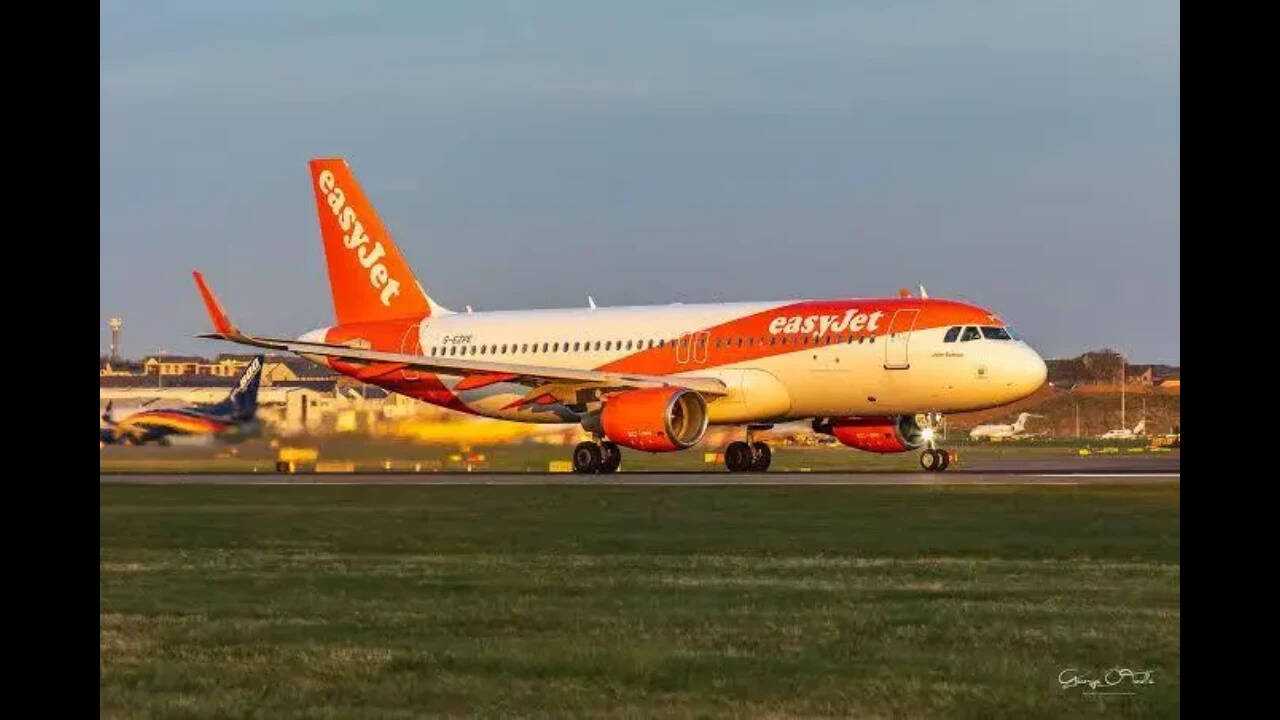
An EasyJet flight heading to Malaga experienced a significant delay on Saturday morning due to safety concerns regarding the aircraft's weight. The plane was found to be too heavy to take off safely given the current weather conditions and the length of the runway. To solve the problem, five passengers agreed to leave the aircraft, allowing the flight to proceed with a lighter load.
Main Impact
The primary impact of this incident was a delay in travel for all passengers and a change in plans for the five individuals who volunteered to stay behind. This situation highlights the strict safety protocols that airlines must follow, especially when environmental factors like heat and runway size come into play. By reducing the weight, the pilot ensured that the aircraft could gain enough speed and lift to depart safely, preventing a potentially dangerous takeoff attempt.
Key Details
What Happened
On a Saturday morning, an EasyJet flight prepared for its journey to Malaga. However, before leaving the gate, the crew realized the plane exceeded the maximum weight allowed for the specific conditions at the airport. The combination of rising temperatures and a shorter-than-average runway meant the plane needed to be lighter to get into the air safely. The airline asked for volunteers to give up their seats to help the plane meet these safety requirements.
Important Numbers and Facts
The following details outline the specifics of the event:
- Date: Saturday morning, April 2026.
- Airline: EasyJet.
- Destination: Malaga, Spain.
- Action Taken: Five passengers chose to disembark the plane.
- Reason: Weight limits were exceeded due to warm weather and runway constraints.
Background and Context
Weight and balance are two of the most important factors in aviation safety. Every aircraft has a maximum takeoff weight, but this number is not fixed. It changes based on the weather and the airport. When the air is warm, it becomes "thin" or less dense. Thin air provides less lift for the wings, meaning the plane needs to move much faster to get off the ground.
If an airport has a short runway, the plane has less distance to reach that high speed. In these cases, the only way to fly safely is to make the plane lighter. Airlines usually try to manage this by carrying less fuel or cargo, but sometimes they must ask passengers to leave the flight. This is a standard industry practice used to keep everyone on board safe during the most critical part of the flight.
Public or Industry Reaction
The reaction on the plane was reported as cooperative. While delays are frustrating, passengers generally understand that safety rules are not negotiable. In these situations, airlines typically offer volunteers a payment or a voucher for their trouble, along with a seat on a later flight and hotel stay if needed. Industry experts note that as global temperatures rise, these "weight and temperature" delays are becoming more common in the travel industry, particularly at airports with shorter runways or in very hot climates.
What This Means Going Forward
This incident serves as a reminder that weather plays a huge role in how planes operate. Travelers may see more of these requests in the future during peak summer months. Airlines are constantly updating their software to predict these issues before passengers board, but sudden changes in wind or temperature can still cause last-minute adjustments. For passengers, it means that being a volunteer can sometimes result in financial compensation, though it does cause a delay in reaching their destination.
Final Take
Safety is the top priority for any airline, and EasyJet’s decision to trim the load shows that they follow strict rules to protect their passengers. While it is rare for people to have to step off a plane for weight reasons, it is a necessary step when nature and physics make a normal takeoff impossible. The cooperation of the five volunteers allowed the rest of the passengers to reach Malaga safely, proving that sometimes a small sacrifice is needed for the benefit of everyone on board.
Frequently Asked Questions
Why does warm weather make it harder for planes to fly?
Warm air is less dense than cold air. Because the air is thinner, the plane's wings cannot create as much lift, and the engines produce less power. This means the plane needs a longer runway to take off or must be lighter to get into the air.
Do passengers get paid if they volunteer to get off?
Yes, airlines usually offer a set amount of money, travel vouchers, and alternative travel arrangements to anyone who agrees to leave an overbooked or overweight flight.
Is it common for flights to be too heavy?
It is not very common, but it happens more often at specific airports with short runways or during extreme heatwaves. Pilots always check the weight and balance before every flight to ensure it is within safe limits.