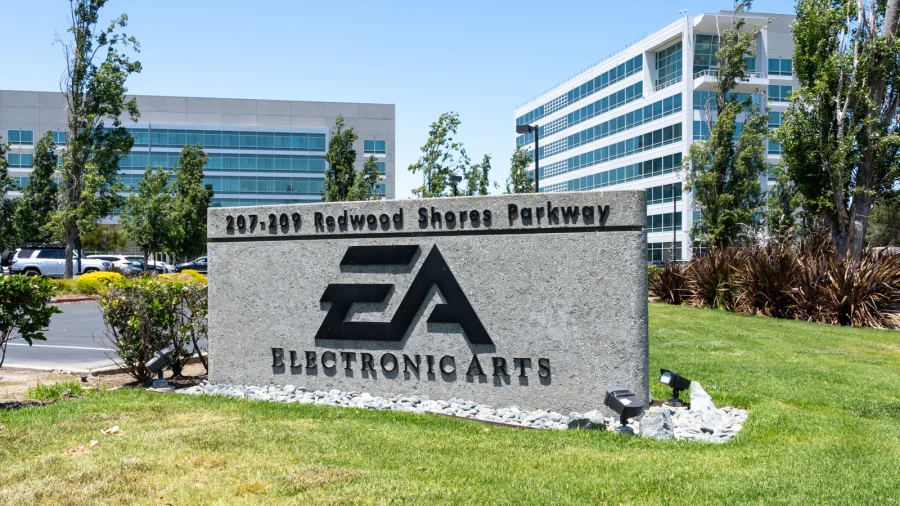
Electronic Arts will be a private company by August 4. The $55 billion deal to take one of the world's largest video game publishers off the public market is set to close next week, according to the company's stated timeline. For shareholders, studio employees and a gaming industry that has watched consolidation accelerate for years, the moment ends a Wall Street chapter that began with EA's 1989 stock listing.
The $55 billion deal reaches the finish line
EA's going-private transaction — valued at roughly $55 billion — is scheduled to complete on or before August 4. Once closed, the company will surrender its status as a publicly traded entity and continue under private ownership.
The deal is one of the largest ever struck in the video game sector, and among the biggest leveraged buyouts across any industry in recent memory.
Why private ownership could change how EA operates
For more than three decades, EA answered to quarterly earnings calls, public shareholders and activist investors. That discipline shaped its strategy, its cost structure and even the way it launched games.
Private owners typically think in five-to-ten-year horizons, not three-month ones. That shift in time pressure could change how the company budgets studios, greenlights titles and manages its live-service portfolio. Public visibility fades; long-term maneuvering begins.
A 1989 IPO and three decades on Wall Street
EA listed on the Nasdaq in 1989 and spent the next 35-plus years as one of gaming's defining public companies. It survived console wars, the transition to digital distribution and the rise of free-to-play competition.
Along the way, it assembled franchises with immense cultural reach — EA Sports FC, Madden NFL, Battlefield, Apex Legends and The Sims. The move to private ownership draws a definitive line under that public-market era.
For players and developers, the real questions begin after closing
For most players, the immediate experience should not change. Live services will keep running, and announced titles are expected to continue development. No game cancellations or studio closures have been announced.
The bigger concerns sit inside the company. Large privatizations are often financed with significant debt, and debt pressure historically leads to cost reviews, restructuring and sometimes workforce reductions. Nothing of that kind has been confirmed — but experienced industry watchers know the risk is real.
What EA has confirmed — and the silence around it
The company's timeline is explicit: closing by August 4. Beyond that, publicly available information is thin.
Details on the acquiring investors, the structure of the consortium, the mix of equity and debt financing, and post-close leadership have not been independently confirmed in available reporting. Any claims about layoffs, asset sales or franchise changes are speculation at this point, not fact.
Why this takeover is unprecedented for gaming
At $55 billion, this would rank among the largest going-private transactions on record in any sector, not just gaming.
The valuation signals that private capital sees durable long-term value in EA's franchises, recurring revenue streams and global distribution. It also reflects a quiet reality: the video game industry has grown too strategically important to remain a purely public-market story.
Confirmed facts vs. the gaps in disclosure
Confirmed: A $55 billion going-private transaction is planned. EA has said it will be a private company next week. The closing date is August 4.
Unconfirmed: The identity and structure of the buying group, the financing terms, the status of shareholder and regulatory approvals, and any operational changes after closing. These gaps matter, and readers should treat unofficial claims with caution.
The moat that justified the price: sports licences and live services
Part of the logic behind the valuation lies in EA's competitive position. Its sports franchises — EA Sports FC and Madden — operate with exclusive licences and decades of brand trust. Live-service titles like Apex Legends generate continuous revenue rather than one-time sales.
Those assets create network effects: more players attract more investment, which attracts more players. The acquiring investors have not publicly stated their thesis, but this moat is almost certainly central to it.
The bear case: debt, restructurings and cultural friction
There are legitimate risks. If the deal relies heavily on borrowed money, EA could face pressure to cut costs, sell studios or push monetization harder.
Private ownership can also clash with the creative culture that produced decades of hit games. Supporters will argue the deal removes short-term quarterly pressure. Critics will worry about reduced transparency, job security and the fate of experimental projects that public investors historically tolerated only in small doses.
Gaming is consolidating — EA is the biggest signal yet
EA's move fits a wider pattern. Publishers, platform holders and streaming services have spent years acquiring intellectual property, studios and distribution channels.
Going private is the logical endpoint of that trend: instead of buying individual assets, investors buy the entire company. If this closing goes smoothly, other major gaming firms may study the playbook closely.
How to read the next few days: a practical checklist
Shareholders should track the closing date and any communications about the deal consideration and delisting process.
Players should rely on official EA channels for announcements about franchises and live services.
Industry job seekers should note that restructurings sometimes follow large leveraged buyouts — though no such plans have been announced. Patience and verified information matter more than reacting to rumor.
After August 4: the six months that will define EA's next chapter
Once the deal closes, the immediate priorities will be integration, financing structure and leadership clarity. EA will transition out of the public markets and begin operating as a private entity.
What happens after that is genuinely unknowable from available information. The new owners will decide whether to continue EA's current strategy, reshape its portfolio or pursue further acquisitions. The first six months of private ownership will reveal more than any pre-close commentary could.
Our Take
This is a defining moment for the video game industry, not just for one company. A publisher that has been a public-market staple for over three decades is leaving the stage in one of the largest deals of its kind.
The limited public disclosure makes full judgment difficult. But the direction is unmistakable: consolidation in gaming is accelerating, and EA's next chapter will be written away from public scrutiny. For an industry built on creative risk, the question is whether private ownership expands that risk-taking — or quietly curbs it. The first year will tell.
Frequently Asked Questions
When will Electronic Arts go private?
Electronic Arts is scheduled to close its $55 billion going-private deal by August 4, which will make the company private next week. After closing, EA will no longer be a publicly traded company.
Why is EA going private?
The full rationale has not been publicly detailed. The $55 billion valuation suggests investors see long-term value in EA's sports franchises, live-service games and global player base. A private structure also removes the pressure of quarterly public earnings reporting.
What happens to EA stock after the deal closes?
In a standard going-private transaction, shareholders typically receive the agreed deal consideration and the company's shares are delisted from the public market. Specific payout details were not confirmed in available reporting on this transaction.
Will EA games be affected after the privatization?
No confirmation has been given of any changes to games, studios or live services. Ongoing titles are expected to continue operating normally, but post-close strategy — including possible restructuring — has not been publicly confirmed.