Summary
The 2026 English cricket season is facing a major crisis due to a severe shortage of Dukes cricket balls. Ongoing military conflict in the Middle East has blocked vital shipping routes and caused transportation costs to skyrocket. With the season set to begin on April 3, the England and Wales Cricket Board (ECB) currently has only half of the balls it needs. This shortage is forcing officials to limit the number of balls given to professional teams across the country.
Main Impact
The most immediate effect of this shortage is a new rationing system for professional cricket. The 18 first-class counties, which represent the highest level of domestic cricket in England, are being told they will only receive 50% of their usual ball order to start the County Championship. This lack of equipment could disrupt team practices and change how matches are managed. If the supply chain does not recover quickly, the quality and consistency of the game could be at risk during the early months of the season.
Key Details
What Happened
The shortage is a direct result of the war between the US-Israel alliance and Iran. This conflict has made traditional air and sea routes through the Middle East dangerous for commercial transport. Dukes balls are made through a global process: high-quality leather is prepared in Chesterfield, England, and then sent to South Asia. In South Asia, skilled workers stitch the balls by hand. Once finished, the balls are flown back to the United Kingdom. Because of the war, airlines are either avoiding the region or dealing with a massive backlog of goods that cannot be moved.
Important Numbers and Facts
The financial impact of this crisis is significant. Shipping costs have tripled in a very short amount of time. Usually, airlines charge about $5 per kilo to transport a box of 120 cricket balls. Recent quotes for the same service have jumped to $15 per kilo. This 200% increase in freight charges, combined with the physical difficulty of moving goods, has created a "logjam" that prevents finished products from reaching English shores. The ECB is now working with only 50% of its required inventory just weeks before the first matches begin on April 3, 2026.
Background and Context
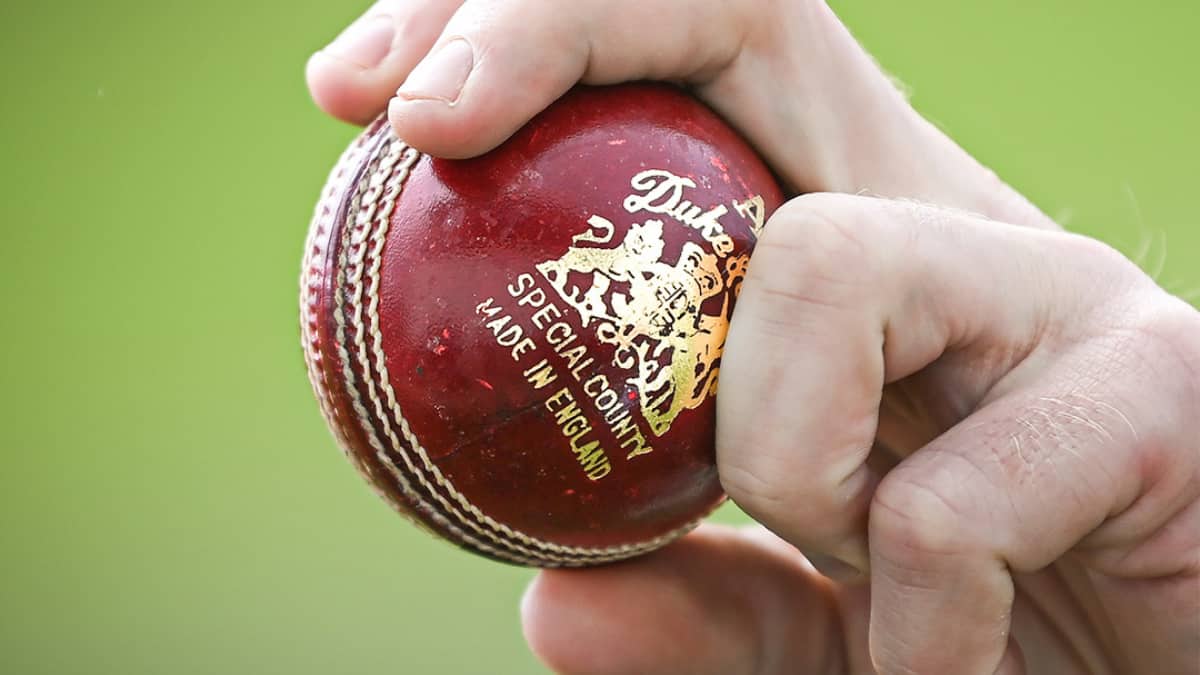
The Dukes ball is a vital part of English cricket. Unlike other brands, the Dukes ball is known for its prominent hand-stitched seam, which helps it move through the air and react off the pitch in ways that suit the English climate. Because these balls are handmade, they cannot be mass-produced quickly in a factory to make up for lost time. The sport relies on a very specific supply chain that moves materials back and forth across the globe. This situation shows how even a traditional local sport can be deeply affected by political instability and war thousands of miles away.
Public or Industry Reaction
Dilip Jajodia, the owner of British Cricket Balls Ltd, which makes the Dukes ball, expressed deep frustration over the situation. He noted that while the factories in South Asia have plenty of finished balls ready to ship, the "logjam" in the air freight industry makes it impossible to get them to the UK. He even joked that he should have asked political leaders to delay any military action until after the cricket season had started. Meanwhile, ECB officials have called this a "wake-up call," admitting that the sport was perhaps too dependent on a fragile international supply chain.
What This Means Going Forward
In the short term, cricket counties will have to be extremely careful with their current stock. They may have to use older balls for longer periods during practice sessions to save the new ones for official matches. In the long term, this crisis might force the ECB to rethink how and where its equipment is made. There may be calls to bring more of the manufacturing process back to the UK to avoid future shipping delays. However, finding the specific hand-stitching skills required for Dukes balls outside of South Asia would be a difficult and expensive task. For now, the priority is simply getting enough balls into the country to finish the season.
Final Take
This shortage is a clear reminder that no industry is safe from the effects of global conflict. While cricket fans are looking forward to the spring season, the reality of international war has reached the equipment bags of every major team in England. The coming weeks will test the ECB's ability to manage a crisis that is entirely out of its control.
Frequently Asked Questions
Why is there a shortage of Dukes cricket balls?
The shortage is caused by the war in the Middle East, which has disrupted air and sea shipping routes. This has created a backlog of goods and made it difficult to fly finished balls from South Asia to the UK.
How much have shipping costs increased?
Shipping costs have tripled. The price to fly cricket balls has risen from the normal rate of $5 per kilo to $15 per kilo due to the increased risks and delays caused by the conflict.
Will the cricket season still start on time?
The season is still scheduled to start on April 3, 2026. However, teams will only have half of their usual ball supply, leading to a strict rationing system for the 18 first-class counties.