
Summary
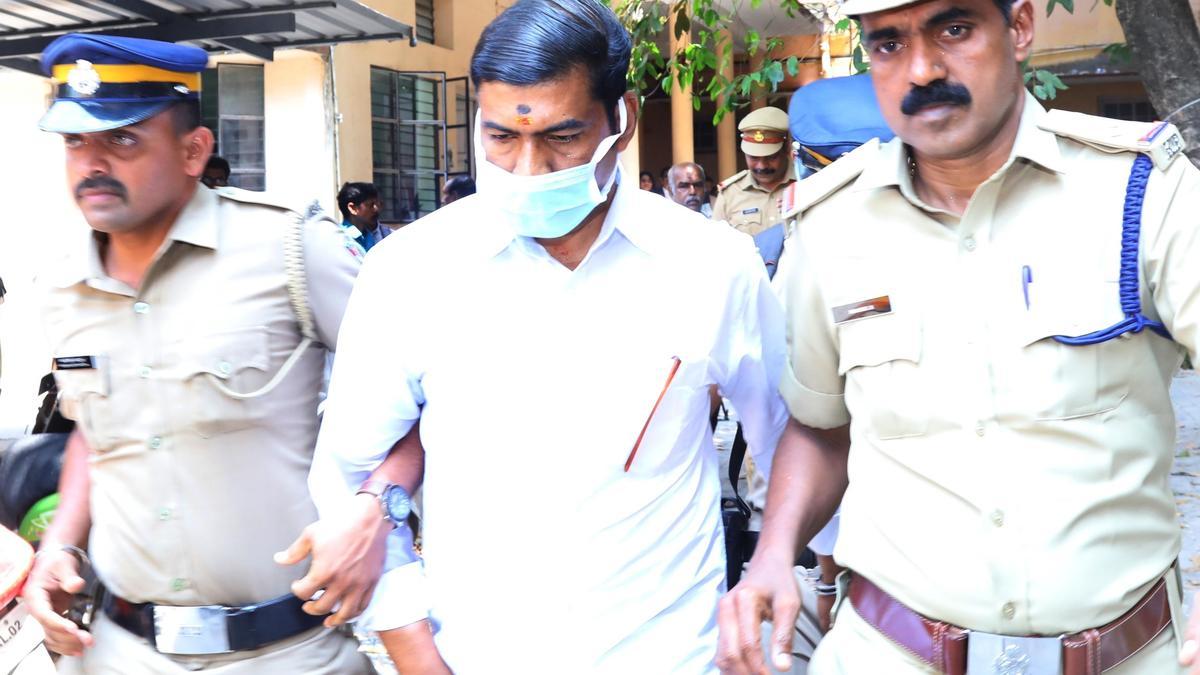
A local court in Kerala has sentenced G. Sandeep to life imprisonment for the murder of Dr. Vandana Das. The young house surgeon was killed while performing her duties at a government hospital in 2023. This case caused a massive outcry across India regarding the safety of healthcare workers. While the court has delivered a life sentence, the prosecution has already announced plans to appeal for the death penalty.
Main Impact
The sentencing marks a major moment in a legal battle that has lasted nearly a year. The death of Dr. Vandana Das was not just a local tragedy; it changed how the state of Kerala views the safety of its medical staff. The ruling confirms that the accused was fully responsible for the violent act. However, the decision to seek a harsher punishment shows that the legal team believes the crime was exceptionally cruel and deserves the highest possible penalty under the law.
Key Details
What Happened
The incident took place in May 2023 at the Kottarakkara Taluk Hospital. G. Sandeep, who worked as a school teacher, was brought to the hospital by the police. He had been involved in a fight and needed treatment for a leg injury. While Dr. Vandana Das was dressing his wound, Sandeep suddenly became violent. He grabbed a pair of surgical scissors and attacked the young doctor. Despite the presence of police officers and hospital staff, he managed to stab her multiple times before he was stopped.
Important Numbers and Facts
Dr. Vandana Das was only 23 years old at the time of her death. She was an only child and was just starting her career in medicine. Medical reports showed that she suffered 11 stab wounds during the attack. The court found Sandeep guilty under several sections of the Indian Penal Code, including murder and causing hurt to a public servant. Along with the life sentence, the court imposed a fine on the accused. The trial moved relatively quickly due to the high-profile nature of the crime and the public demand for justice.
Background and Context
This case matters because it highlighted a dangerous trend of violence against doctors in India. For years, medical professionals have complained about being attacked by patients or their relatives. The death of Dr. Das was a breaking point. It led to massive strikes by doctors across Kerala, who refused to work until the government promised better protection. In response, the Kerala government quickly passed a new law called the Kerala Healthcare Service Persons and Healthcare Service Institutions Amendment Act. This law makes any act of violence against healthcare workers a much more serious crime with stricter punishments.
Public or Industry Reaction
The reaction to the life sentence has been mixed. Many members of the medical community feel a sense of relief that the killer has been convicted. However, many doctors and the victim's parents feel that life in prison is not enough. They argue that the brutal nature of the attack on a young woman who was simply doing her job warrants the death penalty. The Indian Medical Association (IMA) has been a strong supporter of the family, pushing for the maximum possible punishment to serve as a warning to others who might consider attacking hospital staff.
What This Means Going Forward
The legal process is far from over. The prosecution is preparing to take the case to the High Court to ask for the death penalty. They will likely argue that this case falls into the "rarest of rare" category, which is the standard used in India to decide if someone should be executed. For the healthcare industry, this case will continue to be a symbol of the fight for workplace safety. Hospitals are now expected to have better security measures, including more cameras and restricted access to treatment areas, to prevent similar incidents from happening again.
Final Take
The conviction of G. Sandeep is a step toward justice, but it cannot bring back a promising young life. The case serves as a grim reminder that those who care for the sick deserve a safe environment. While the courts decide the final level of punishment, the real change must come from a society that respects and protects its frontline workers. The legal outcome of the upcoming appeal will likely set a new standard for how violence against public servants is handled in the future.
Frequently Asked Questions
Why did the court give a life sentence instead of the death penalty?
The court decided on life imprisonment based on the current evidence and legal standards. In India, the death penalty is usually reserved for crimes that are considered "rarest of rare." The prosecution intends to argue in a higher court that this murder fits that description.
What law was changed because of this case?
The Kerala government updated the Healthcare Service Persons and Healthcare Service Institutions Act. This update increased the penalties for anyone who attacks or threatens medical staff, making it a non-bailable offense with longer prison terms.
Who is G. Sandeep?
G. Sandeep was a school teacher who was under suspension at the time of the incident. He was the person found guilty of attacking and killing Dr. Vandana Das while he was being treated for an injury at a government hospital.



