
Summary
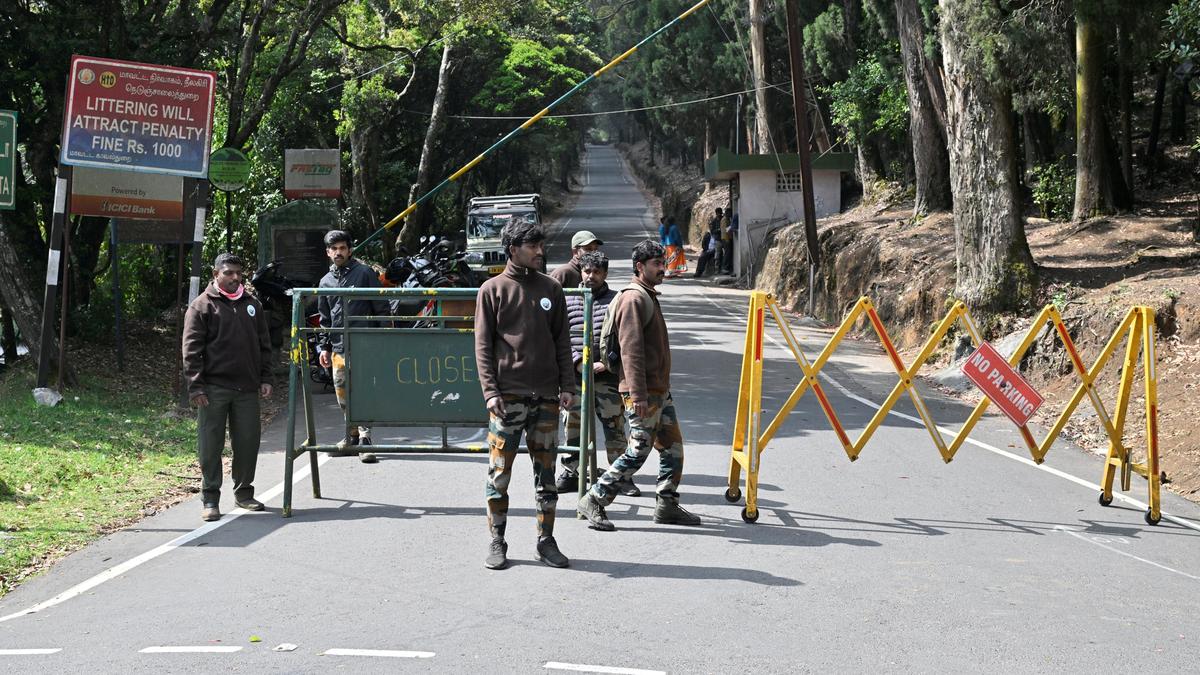
Doddabetta Peak, a famous tourist spot in the Nilgiris, has been temporarily closed to the public. This decision was made after a young elephant was spotted wandering near the visitor areas. Forest officials took this step to protect both the tourists and the animal from potential harm. The elephant is believed to be a young male looking for a new territory to call home.
Main Impact
The closure of Doddabetta Peak has caused an immediate stop to tourism activities in one of the most visited parts of the hill station. Hundreds of travelers who planned to visit the viewpoint have been turned away. This event highlights the ongoing struggle between wildlife and human activity in the region. Forest guards are now on high alert, monitoring the area to ensure the elephant moves back into the deeper woods safely.
Key Details
What Happened
Local authorities noticed a sub-adult elephant moving through the forest patches near the Doddabetta viewpoint. A sub-adult is a young elephant that is no longer a baby but is not yet a full-grown adult. Because this area is usually crowded with people, cars, and buses, the presence of a large wild animal poses a significant safety risk. To prevent any dangerous encounters, the forest department decided to shut down the entry gates and clear the area of visitors.
Important Numbers and Facts
Doddabetta Peak is the highest point in the Nilgiri Mountains, reaching an altitude of about 2,637 meters. It is a central part of the Nilgiri Biosphere Reserve, which is a massive protected forest area. The elephant spotted is estimated to be in its teenage years. Officials say that the forest in this region is often broken into smaller pieces by roads and buildings, making it difficult for animals to move without crossing into human spaces. The peak will remain closed until the forest department confirms that the animal has moved a safe distance away from the tourist tracks.
Background and Context
The Nilgiri Biosphere Reserve is home to a large population of Asian elephants. In the wild, young male elephants eventually leave their family groups to find their own space and mates. This is a natural part of their life cycle. However, as more hotels, roads, and farms are built, the natural paths these animals use are being blocked. This is known as habitat fragmentation.
When an elephant’s home is broken into small sections, they often end up in places where they do not belong, such as tea gardens or tourist attractions. The young elephant at Doddabetta is likely trying to find a quiet spot where it can live, but it accidentally ended up in a high-traffic zone. This situation is becoming more common as the boundaries between the forest and the town become less clear.
Public or Industry Reaction
The local tourism industry has felt the impact of the closure immediately. Taxi drivers and small shop owners near the peak rely on the daily flow of visitors to make a living. While many are worried about the loss of income, most agree that safety must come first. Tourists visiting Ooty have expressed a mix of disappointment and excitement. While they missed the view from the peak, the news of a wild elephant nearby reminded many of the wild nature of the region.
Wildlife experts have praised the quick action of the forest department. They point out that trying to force the elephant away too quickly could scare the animal and make it aggressive. By closing the area, the officials are giving the elephant the space it needs to move on its own without feeling threatened by crowds of people.
What This Means Going Forward
This incident serves as a warning for future planning in the Nilgiris. As tourism grows, the pressure on the forest increases. Moving forward, there may be a need for better monitoring systems, such as cameras or sensors, to track animal movements near popular sites. The forest department may also consider creating more "wildlife corridors." These are safe paths that allow animals to travel between forest patches without entering areas filled with people.
For now, visitors are advised to check for updates before planning a trip to Doddabetta. The authorities will continue to patrol the area and will only reopen the peak once they are sure the elephant has returned to a more remote part of the reserve.
Final Take
The appearance of an elephant at Doddabetta Peak is a clear sign that we must respect the space of wild animals. While it causes a temporary problem for travel and business, the safety of the elephant and the public is the most important factor. Learning to live alongside wildlife requires patience and a willingness to give nature the room it needs to thrive.
Frequently Asked Questions
Why was Doddabetta Peak closed?
The peak was closed because a young wild elephant was spotted in the area. The closure was a safety measure to prevent any accidents between the animal and tourists.
What is a sub-adult elephant?
A sub-adult elephant is a young animal that is transitioning from being a calf to a full-grown adult. They are often more active and may wander into new areas to find their own territory.
When will the tourist attraction reopen?
There is no fixed date yet. The forest department will reopen Doddabetta Peak once they are sure the elephant has moved safely back into the deep forest and away from the public areas.



