
Summary
The Dravida Munnetra Kazhagam (DMK) has reached a major milestone, marking 77 years since its start in 1949. The party began as a group focused on social reform and the pride of the Tamil people. Over the decades, it has changed from holding massive street rallies to using advanced digital tools and social media. This journey shows how a political group can stay relevant by mixing traditional values with modern technology.
Main Impact
The DMK has fundamentally changed the way politics works in Southern India. By focusing on the power of speech and local identity, the party built a deep connection with the public that has lasted for generations. Their move into the digital world has allowed them to reach younger voters who may not attend traditional political meetings. This shift ensures that their message reaches every corner of the state, from small villages to big cities, using both physical presence and online platforms.
Key Details
What Happened
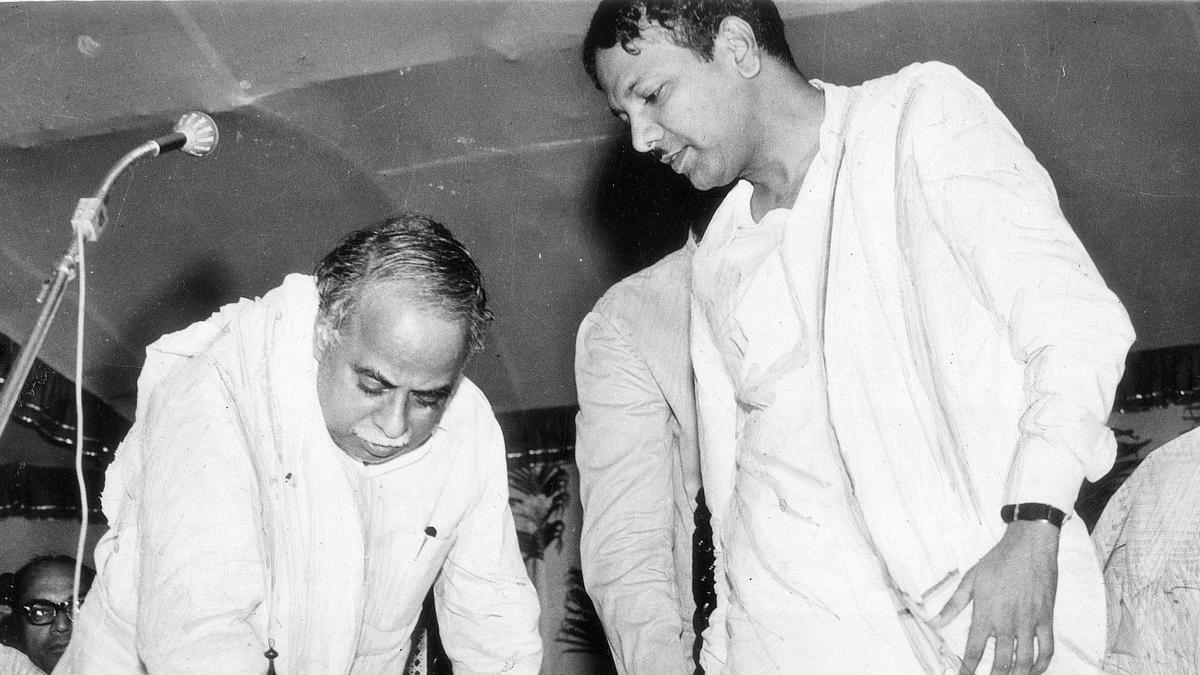
The party was started by C.N. Annadurai, a man known for his incredible ability to speak and write. He moved away from the original Dravidian movement to form a political party that could contest elections. In the early days, the DMK used theater, literature, and movies to tell their story. This helped them win their first state election in 1967. After Annadurai, M. Karunanidhi led the party for nearly fifty years, making the organization even stronger. Today, under the leadership of M.K. Stalin, the party has embraced data and the internet to run its campaigns.
Important Numbers and Facts
The DMK was officially founded on September 17, 1949. It has been a dominant force in Tamil Nadu for over seven decades. The party has a very strict and clear setup, with branches in almost every village and street in the state. In recent years, their digital wing has grown to include thousands of volunteers who manage social media accounts and create online content. This helps the party stay in touch with millions of voters every day, not just during election time.
Background and Context
To understand the DMK, one must understand the importance of the Tamil language and social justice. The party grew out of a desire to give more power to common people and to protect the rights of the state against the central government. In the mid-20th century, most political news was shared through newspapers or at large public gatherings. The DMK leaders were masters of these formats. They used simple but powerful language that the average person could understand and feel proud of. This history of clear communication is what they are now trying to replicate on the internet.
Public or Industry Reaction
Political experts often point to the DMK as one of the best-organized parties in India. Other political groups have tried to copy their "grassroots" model, which means having active members at the very local level. While some critics argue that the party has become too focused on one family, many supporters believe the party has stayed true to its roots of helping the poor and middle class. The public generally views the DMK as a party that knows how to use modern tools without forgetting its long history and traditions.
What This Means Going Forward
As the DMK moves further into its eighth decade, the challenge will be keeping the interest of the "Gen Z" and "Alpha" generations. These young people do not remember the old street battles or the famous speeches of the past. The party is now investing heavily in video content, podcasts, and interactive apps. The goal is to turn complex political ideas into short, easy-to-watch clips. If they succeed, they will likely remain a major power for many more years. However, they must balance this new digital focus with the physical meetings that their older supporters still value.
Final Take
The DMK’s long life is a result of its ability to adapt. It started with the spoken word on a wooden stage and has moved to the viral video on a smartphone screen. By keeping a strong local organization while using the latest technology, the party has managed to stay at the center of Tamil Nadu’s political life for 77 years.
Frequently Asked Questions
When was the DMK founded?
The DMK was founded on September 17, 1949, by C.N. Annadurai and other leaders who broke away from the Dravidar Kazhagam.
Who are the main leaders in the party's history?
The most famous leaders include the founder C.N. Annadurai, the long-time leader M. Karunanidhi, and the current Chief Minister of Tamil Nadu, M.K. Stalin.
How has the party changed its campaigning style?
The party moved from using public speeches, plays, and movies to using a dedicated digital team that manages social media, data analysis, and online advertisements.



