
Summary
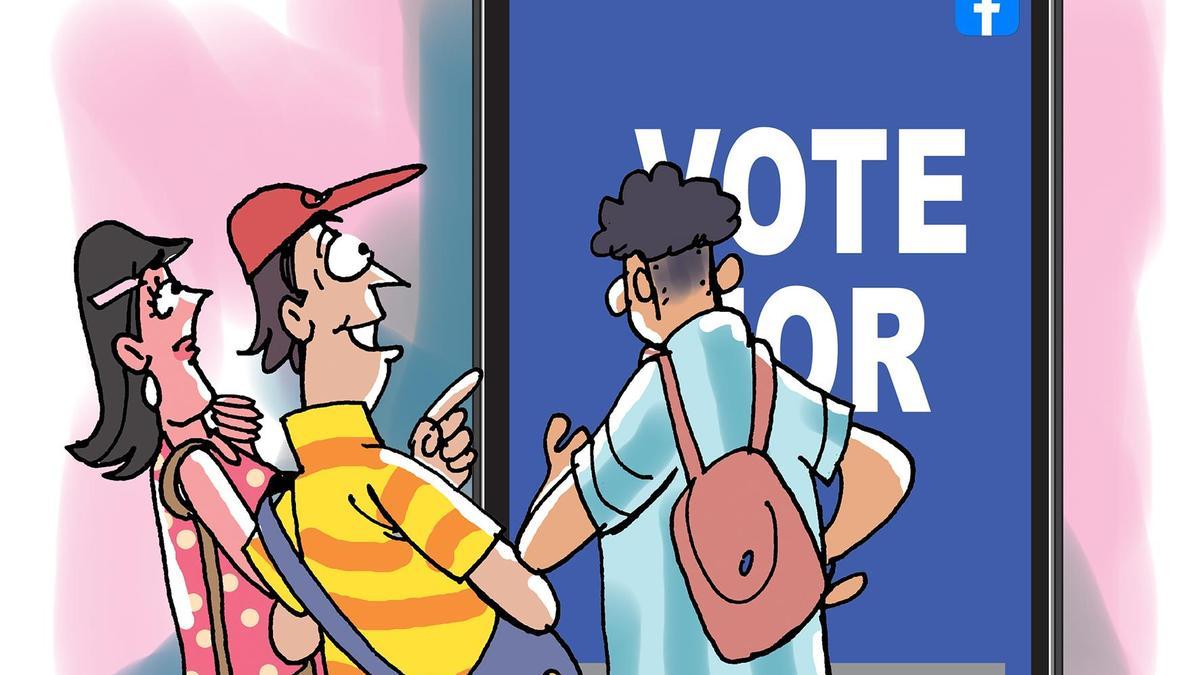
Political campaigning is undergoing a massive change as it moves from physical walls to digital screens. For decades, candidates relied on paper posters, hand-painted signs, and large banners to get their messages across to voters. Today, the focus has shifted toward social media, mobile apps, and online video platforms. This transition allows political parties to reach people directly on their phones, making communication faster and more personal than ever before.
Main Impact
The move to digital campaigning has changed the way elections are won and lost. The biggest impact is the ability to target specific groups of people with tailored messages. In the past, a poster on a wall was seen by everyone who walked past it, regardless of their interests. Now, data allows campaigns to show different ads to different people based on what they care about. This makes campaigning much more efficient, but it also means that voters are often living in "information bubbles" where they only see news that matches their existing views.
Key Details
What Happened
In recent years, the sight of political posters covering city walls has become less common in many parts of the world. Instead, political parties are spending the majority of their budgets on digital advertising. This shift happened because almost everyone now carries a smartphone. Campaigns have realized that a well-timed video on a social media feed is more effective than a piece of paper stuck to a pole. Furthermore, digital tools allow for two-way communication. Voters can comment, share, and ask questions, which was impossible with traditional posters.
Important Numbers and Facts
Recent data shows that digital ad spending for major elections has increased by over 300% in the last decade. In some countries, more than 60% of the total campaign budget is now spent on online platforms. Research also indicates that younger voters, specifically those aged 18 to 30, almost never look at physical political advertisements. Instead, they get nearly all of their political information from platforms like TikTok, Instagram, and YouTube. Additionally, the cost of reaching 1,000 people through a digital ad is often ten times cheaper than the cost of printing and distributing 1,000 physical flyers.
Background and Context
To understand this change, we have to look at how campaigning used to work. For over a hundred years, the "wall" was the primary place for political debate. Candidates would compete for the best spots in a city to paste their posters. It was a physical battle that required many volunteers and a lot of paper. However, as the internet became a part of daily life, the "screen" replaced the wall. This change is not just about technology; it is about how people consume information. People no longer wait for the morning newspaper or look at billboards while driving. They look at their phones during every free moment of the day.
Public or Industry Reaction
The reaction to this digital shift is mixed. Many political experts praise the change because it reduces waste. Thousands of tons of paper and plastic are saved when campaigns go digital. However, privacy experts are worried. They argue that the way campaigns use personal data to target voters is intrusive. There are also concerns about "fake news." It is much easier to spread a lie through a digital image or a short video than it is through a physical poster that can be easily checked and verified by local authorities. Some citizens also feel that digital ads are annoying and interrupt their private online time.
What This Means Going Forward
Looking ahead, the use of technology in politics will only grow. We are likely to see more use of artificial intelligence (AI) to create campaign content. This could include AI-generated voices or videos that talk directly to voters. While this is exciting for tech teams, it creates new risks for democracy. Governments are already looking at new laws to make sure digital ads are honest and that voters know who is paying for them. The era of the paper poster is not completely over, but it is clearly becoming a secondary tool. The real battle for votes is now happening in the palm of your hand.
Final Take
The leap from walls to screens represents a permanent shift in how power is sought and won. While the tools have changed, the goal remains the same: connecting with people. The winners of future elections will be those who can master the digital world while still maintaining the trust of the public. As screens become the new town square, the quality of information will matter more than the brightness of the display.
Frequently Asked Questions
Why are politicians moving away from paper posters?
Digital ads are cheaper, faster to create, and can be sent directly to specific groups of people. They also reach younger voters who do not pay attention to traditional physical signs.
Is digital campaigning better for the environment?
Yes, it significantly reduces the amount of paper, ink, and plastic waste created during election seasons. However, it does use a lot of electricity to power the servers that run these ads.
What are the risks of digital political ads?
The main risks include the spread of misinformation, the use of personal data without clear permission, and the creation of "echo chambers" where people only hear one side of an argument.



