
Summary
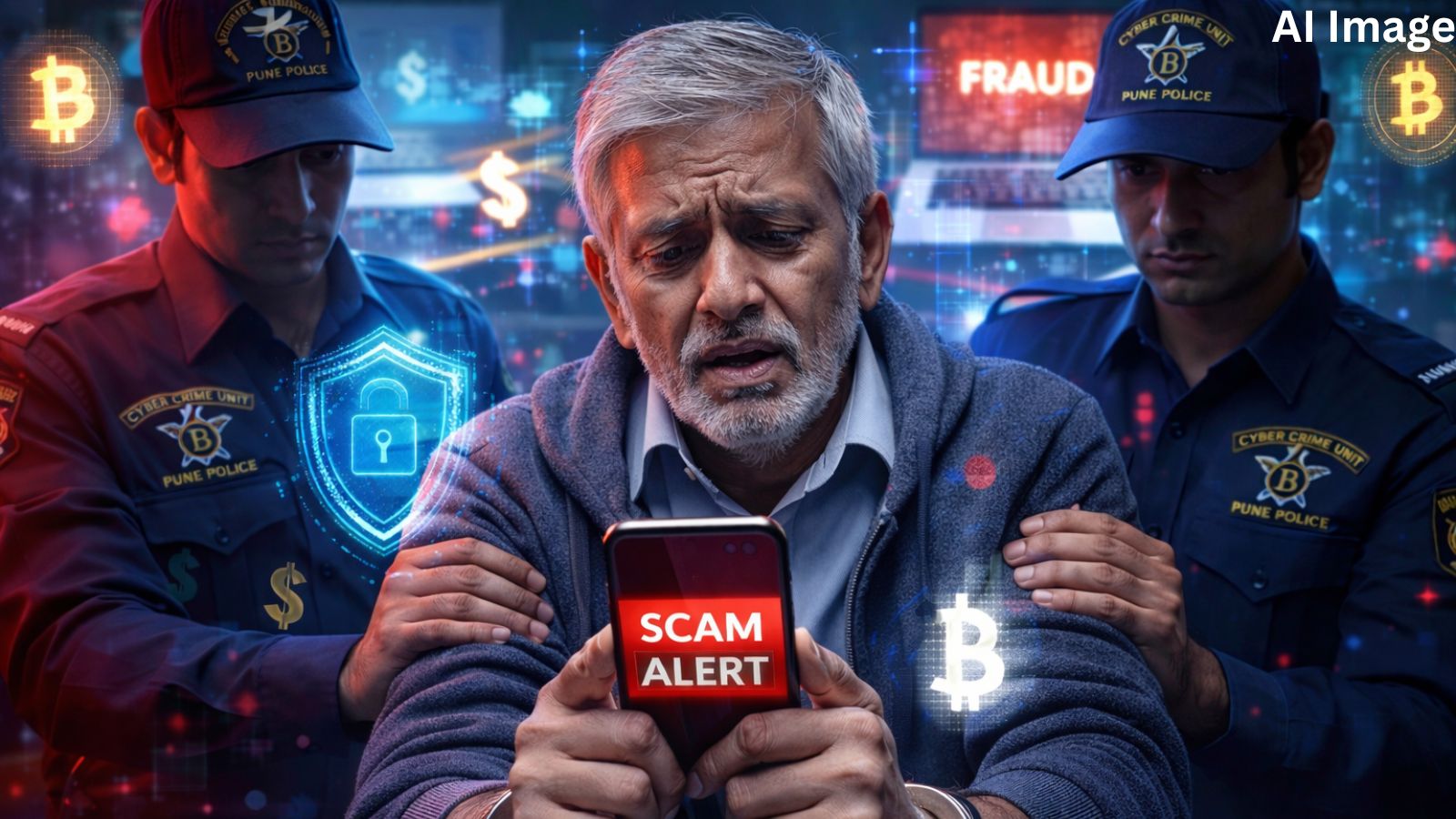
Mumbai cyber police have started a new campaign to protect senior citizens from a growing scam known as "digital arrest." Officers are now visiting residential buildings and the homes of elderly residents to teach them how to spot these frauds. This direct action comes after a sharp rise in cases where scammers pretend to be law enforcement officials to steal life savings. By meeting people in person, the police hope to reduce fear and provide clear steps on what to do if a scammer calls.
Main Impact
The main goal of this door-to-door initiative is to break the psychological hold that scammers have over their victims. Criminals use fear and pressure to make people believe they are in legal trouble. When the police visit seniors at home, they provide a sense of security and professional guidance that helps people stay calm during a real emergency. This proactive approach is designed to stop the crime before it happens, rather than just investigating after the money is already gone.
Key Details
What Happened
In a "digital arrest" scam, a person receives a phone call or a video call from someone claiming to be from a government agency like the CBI, the Customs Department, or the local police. The caller often tells the victim that a package containing illegal items, such as drugs or fake passports, has been found in their name. To make the story believable, the scammers wear uniforms and sit in rooms that look like real police stations. They tell the victim they are under "digital arrest" and must stay on camera at all times. They then demand a large sum of money to "settle" the case or verify the victim's bank accounts.
Important Numbers and Facts
The Mumbai police are emphasizing a few critical facts during their visits. First, there is no such thing as a "digital arrest" in Indian law. Real police officers will never ask for money over a video call to clear a person's name. If anyone suspects they are being targeted, they should immediately call the national cybercrime helpline at 1930. Additionally, victims can report incidents on the official website at www.cybercrime.gov.in. Police records show that senior citizens are the primary targets because they often have retirement savings and may be more likely to trust people claiming to be in positions of authority.
Background and Context
Cybercrime has become more sophisticated over the last few years. Scammers no longer just send simple fake emails; they now use high-quality video calls and fake identity cards to trick people. Senior citizens are often targeted because they may live alone or may not be fully aware of how modern digital scams work. The term "digital arrest" is a clever trick used by criminals to make the victim feel like they cannot leave their house or hang up the phone. By creating a fake environment of legal pressure, scammers prevent the victim from calling their family or the real police for help.
Public or Industry Reaction
Many residents in Mumbai have welcomed the police visits. Local housing society leaders say that having a real officer explain the scam makes a much bigger impact than just reading about it in the news. Families of senior citizens have also expressed relief, noting that their elderly parents feel more confident about using their phones and the internet after receiving these safety tips. Cyber security experts have praised the Mumbai police for going beyond digital warnings and using traditional face-to-face communication to reach the most vulnerable members of society.
What This Means Going Forward
The Mumbai police plan to continue these visits across different parts of the city. They are also working with banks to flag unusual and large transfers made by elderly customers, which is often a sign of a scam in progress. For the public, the message is clear: stay alert and do not be intimidated by strangers on a screen. The government is also looking into ways to block the Voice over IP (VoIP) calls that scammers use to hide their real locations. Education remains the strongest tool against these crimes, and more cities may follow Mumbai's lead in sending officers directly to the public.
Final Take
The fight against digital fraud requires more than just technology; it requires human connection and clear communication. By knocking on doors, the Mumbai cyber police are showing that they are available to help and that nobody has to face these threats alone. Staying informed and skeptical of unexpected calls is the best way to keep your savings safe. If a caller asks you to stay on a video call and demands money, hang up immediately and call the real authorities.
Frequently Asked Questions
What is a digital arrest?
It is a fake tactic used by scammers who pretend to be police officers on video calls. They claim you are involved in a crime and force you to stay on camera until you pay them money. In reality, "digital arrest" does not exist in law.
What should I do if I get a suspicious call?
Do not share any personal details or bank information. Hang up the call immediately. Do not click on any links they send you. Report the number to the 1930 helpline or the local police station.
Do real police officers use Skype or WhatsApp for arrests?
No, real law enforcement agencies do not conduct arrests or legal investigations over video calling apps like Skype or WhatsApp. They will never ask you to transfer money to a private account to solve a legal issue.



