
Summary
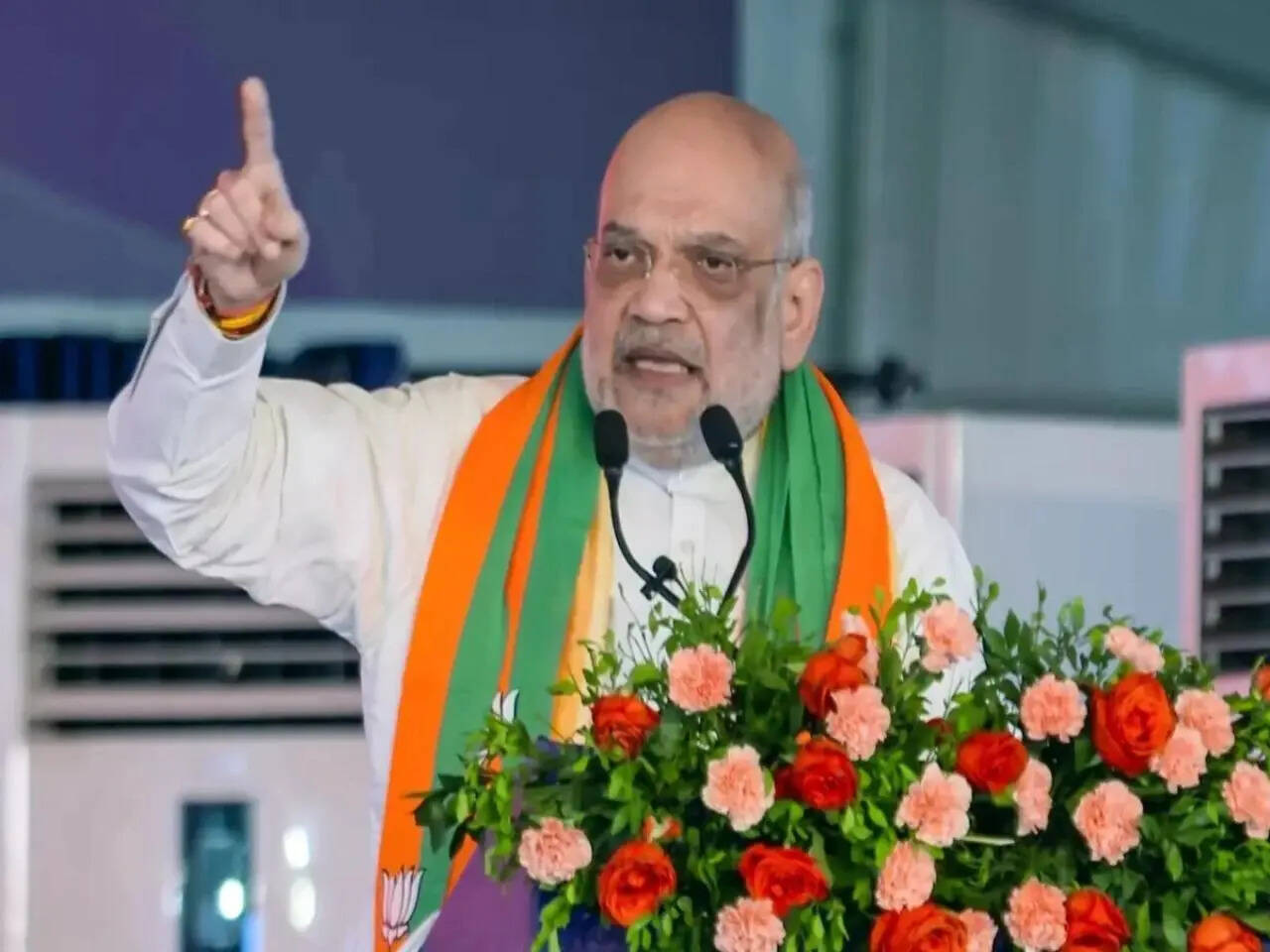
Union Home Minister Amit Shah is traveling to Leh to restart official talks with the leaders of Ladakh. This visit is a major step toward resolving the long-standing political tension in the region. For months, local groups have been protesting to demand more power over their own land and government. This meeting aims to bridge the gap between the central government and the people of Ladakh to ensure peace and stability in this sensitive border area.
Main Impact
The decision to restart talks marks a shift in how the government is handling the situation in Ladakh. After a long period of silence and failed meetings, the Home Minister’s direct involvement suggests that the government is now ready to consider the local demands seriously. This could lead to new legal protections for the people of Ladakh, helping to protect their unique culture, jobs, and environment from outside pressure. It also helps reduce the risk of further public protests that have affected the region over the past year.
Key Details
What Happened
The relationship between the central government and Ladakh has been tense for quite some time. In 2019, the government changed the status of the region, making it a Union Territory without its own elected assembly. While many people initially welcomed the move, they soon felt that they had lost their political voice. Local leaders formed groups to ask for statehood and special constitutional rights. After several rounds of talks failed to reach an agreement, protests grew louder. The Home Minister’s visit to Leh is intended to "reset" these discussions and find a middle ground that satisfies both the local population and the national government.
Important Numbers and Facts
Ladakh became a Union Territory on August 5, 2019, following the reorganization of Jammu and Kashmir. Since then, it has been managed by a Lieutenant Governor appointed by the central government. Local activists, including famous figures like Sonam Wangchuk, have held hunger strikes lasting up to 21 days to draw attention to their cause. The two main groups representing the people are the Apex Body Leh (ABL) and the Kargil Democratic Alliance (KDA). They are asking for four specific things: full statehood for Ladakh, inclusion in the Sixth Schedule of the Constitution, a separate recruitment process for government jobs, and more representation in the Indian Parliament.
Background and Context
To understand why this matters, it is important to know what the Sixth Schedule is. In simple terms, it is a part of the Indian Constitution that gives tribal areas the power to make their own laws about land, forests, and local customs. Because Ladakh has a very high tribal population, the people there feel they deserve these protections. They worry that without these laws, large companies from outside the region might come in and take over their land or damage the fragile mountain environment. Additionally, Ladakh is located right next to the borders of China and Pakistan. This makes the region very important for India’s national security. The government wants to make sure the local people are happy and loyal so that the border remains secure.
Public or Industry Reaction
The reaction in Leh and Kargil has been a mix of hope and caution. Many residents are glad that the Home Minister is visiting, as it shows the government is finally paying attention. However, local leaders have stated that they want more than just meetings; they want written promises and clear timelines for change. In the past, they felt that the government was just trying to delay the process. On the other hand, some business groups are watching closely to see if new land laws will make it harder or easier to invest in the region. Most people agree that a peaceful resolution is the best way to help the local economy grow while keeping the environment safe.
What This Means Going Forward
Going forward, the success of this visit will depend on whether the government offers a concrete plan. If the Home Minister proposes a new administrative structure that gives locals more power, the protests will likely stop. If the talks do not lead to real changes, the local groups have warned that they will start new rounds of protests and hunger strikes. The next few months will be critical for deciding if Ladakh will eventually become a full state or if it will receive a special status that allows it to govern its own resources while remaining a Union Territory. The outcome will also set a precedent for how the government handles similar demands in other parts of the country.
Final Take
The move to restart dialogue in Ladakh is a positive sign for Indian democracy. It shows that even in highly sensitive border regions, the government is willing to sit down and talk with its citizens. While the path to an agreement is not easy, open communication is the only way to balance national security with the rights of local communities. Ensuring that the people of Ladakh feel heard and protected is essential for the long-term peace of the entire nation.
Frequently Asked Questions
Why are people in Ladakh protesting?
They are protesting because they want more control over their local government, protection for their land and jobs, and the status of a full state within India.
What is the Sixth Schedule?
The Sixth Schedule is a set of laws in the Indian Constitution that allows tribal regions to create their own local councils to manage land, water, and cultural traditions.
Who is leading the talks for the people of Ladakh?
The talks are being led by two main groups: the Apex Body Leh and the Kargil Democratic Alliance, which represent the different communities living in the region.



