
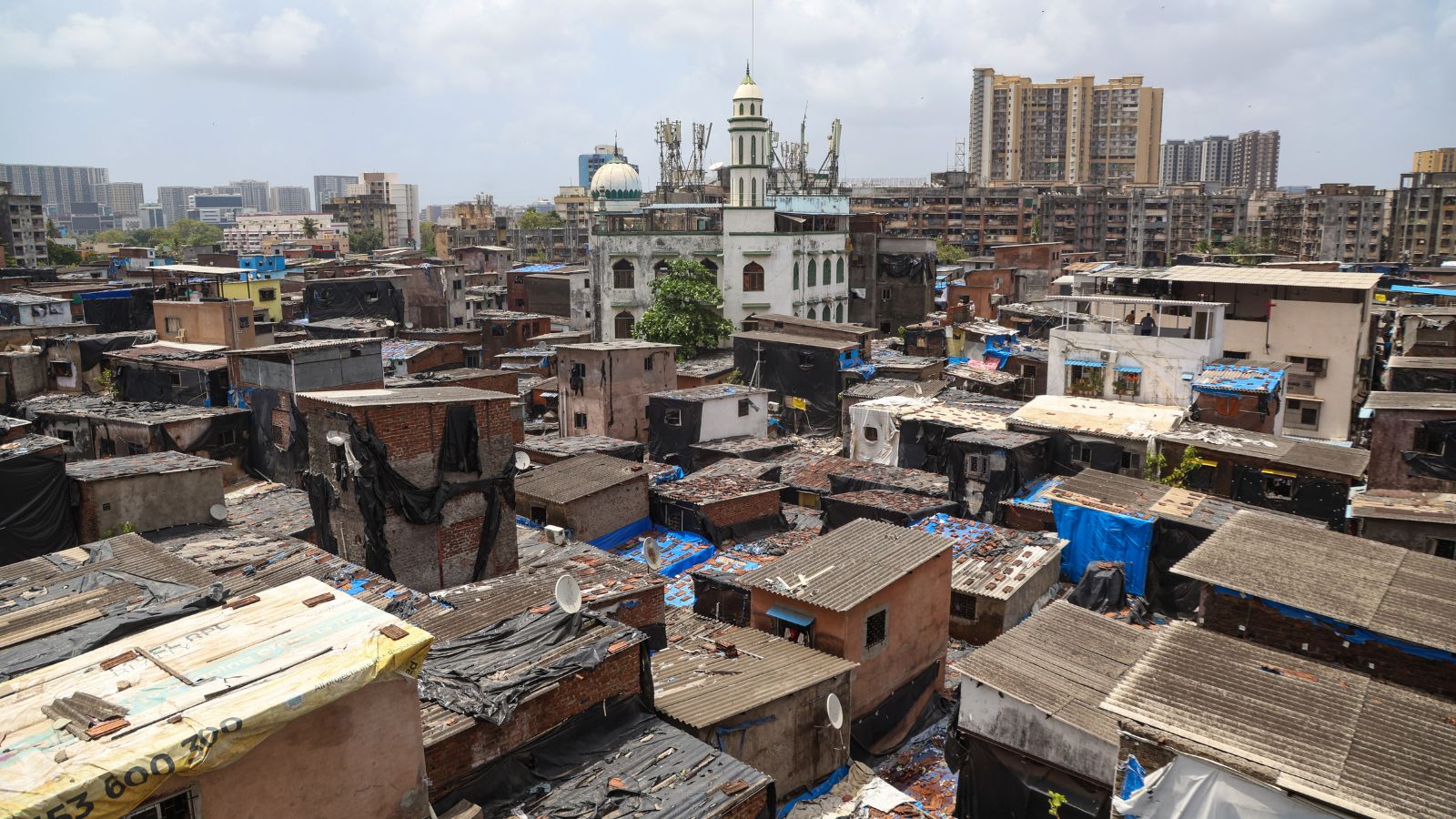
Summary
A state-appointed panel in Maharashtra has started reviewing the status of 590 religious structures in Mumbai's Dharavi area. The committee will decide which of these temples, mosques, and churches can stay in their current location, which need to be relocated, and which must be demolished. This move is part of the larger Dharavi redevelopment project, one of the world's biggest slum rehabilitation efforts.
Main Impact
The decision on these 590 religious buildings will directly affect the daily lives of thousands of residents in Dharavi. For many, these structures are not just places of worship but also community centers and landmarks. The panel's rulings could reshape the social and religious landscape of the area. The redevelopment project aims to transform Dharavi into a modern township, but it must balance progress with the cultural and religious rights of its people.
Key Details
What Happened
The Maharashtra government formed a special committee to look into the religious structures in Dharavi. The committee includes officials from the Slum Rehabilitation Authority (SRA), the Mumbai Municipal Corporation (BMC), and the state's religious endowments department. Their job is to check each of the 590 structures and decide their fate based on rules and laws.
Important Numbers and Facts
There are exactly 590 religious structures in Dharavi. This includes 289 temples, 206 mosques, and 95 churches. The committee will classify them into three categories: those that can stay, those that can be moved to another spot within the redevelopment plan, and those that must be removed completely. The panel has already started its site visits and hearings. A final report is expected in the coming months.
Background and Context
Dharavi is one of Asia's largest slums, spread over 600 acres in the heart of Mumbai. It is home to over a million people. The government has planned a massive redevelopment of this area, which includes building new homes, roads, and facilities. However, the area is also densely packed with small businesses, homes, and religious places. The redevelopment plan has faced many delays and legal challenges over the years. The issue of religious structures is a sensitive one because it involves faith, community identity, and property rights.
Public or Industry Reaction
Local residents and religious leaders have mixed feelings. Some welcome the move, hoping it will bring order and safety to the area. Others are worried about losing their places of worship. Community groups have asked the panel to be fair and transparent. They want the committee to consider the historical and cultural importance of these structures, not just their legal status. The redevelopment authority has said it will try to accommodate as many structures as possible within the new plan.
What This Means Going Forward
The committee's decisions will set a precedent for how religious spaces are handled in other redevelopment projects across Mumbai and India. If the panel is seen as fair, it could speed up the Dharavi project. If not, it could lead to more protests and legal cases. The final outcome will also show how the government balances development with religious freedom. For now, all eyes are on the panel's next steps.
Final Take
The fate of 590 religious structures in Dharavi is more than a bureaucratic exercise. It is a test of how a modern city can grow while respecting the faith and history of its people. The panel's work will be watched closely, not just in Mumbai, but in other cities facing similar challenges.
Frequently Asked Questions
Why are religious structures being reviewed in Dharavi?
The review is part of the Dharavi redevelopment project. The government wants to know which religious buildings can stay, which need to be moved, and which must be removed to make way for new construction.
How many religious structures are there in Dharavi?
There are 590 religious structures in total. This includes 289 temples, 206 mosques, and 95 churches.
What will happen to the religious structures that cannot stay?
Structures that cannot stay may be relocated to a new spot within the redevelopment plan. If relocation is not possible, they may be demolished. The committee will decide on a case-by-case basis.



