
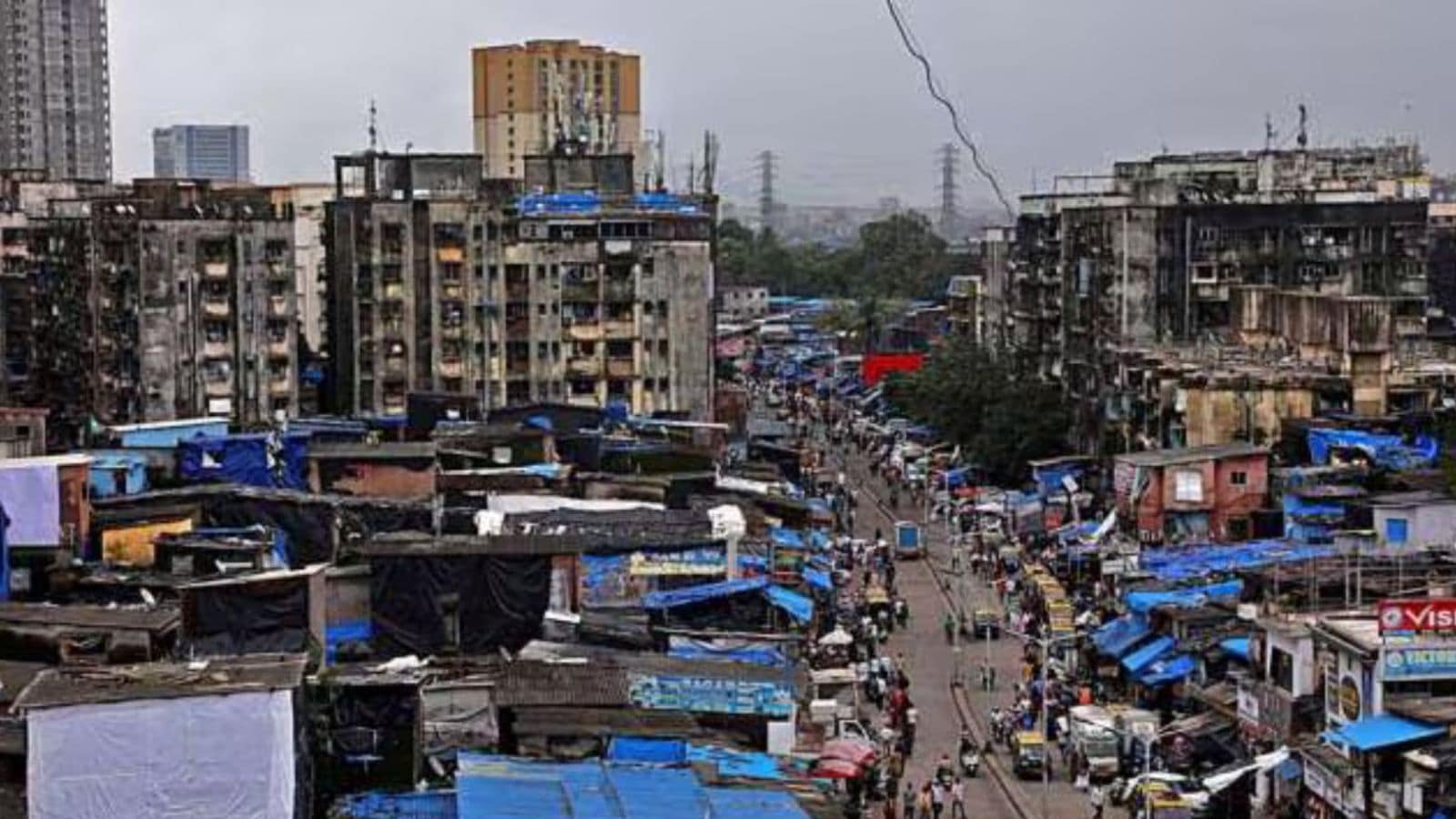
Summary
The Maharashtra government has made a major decision to increase the size of new homes for the residents of Dharavi. Instead of the previously planned 350 square feet, eligible families will now receive apartments measuring 500 square feet. This change is part of the massive Dharavi Redevelopment Project, which aims to turn one of the world's largest slum areas into a modern urban township. The move is expected to significantly improve the quality of life for thousands of people who currently live in very small, cramped spaces.
Main Impact
The decision to provide 500-square-foot homes is a landmark move for urban renewal in India. Most government housing schemes for slum dwellers usually offer much smaller units, often between 269 and 300 square feet. By nearly doubling that size, the government is setting a new standard for social housing. This change will give families more room to live, work, and grow, which is vital in a high-density area like Mumbai. It also helps reduce local opposition to the redevelopment project by offering a much better deal to the people living there.
Key Details
What Happened
The state cabinet officially approved the proposal to upgrade the flat sizes for the Dharavi Redevelopment Project (DRP). This project is being handled as a joint venture between the Maharashtra state government and the Adani Group. The plan involves moving residents from their current informal housing into permanent, modern buildings. The increase to 500 square feet applies to those who are considered "eligible" for free housing based on how long they have lived in the area. This decision comes after various local groups and political leaders asked for larger living spaces to accommodate growing families.
Important Numbers and Facts
The project is one of the biggest of its kind in the world. Here are some of the key figures involved in the plan:
- New Flat Size: 500 square feet (increased from 350 square feet).
- Eligibility Date: Residents who can prove they lived in Dharavi before January 1, 2000, are eligible for these free homes.
- Project Area: The redevelopment covers over 600 acres of land in the center of Mumbai.
- Population: It is estimated that around one million people live and work within the narrow lanes of Dharavi.
- Ineligible Residents: Those who moved to Dharavi between 2000 and 2011 will also get homes, but they may have to pay a cost or enter a rental-to-ownership program.
Background and Context
Dharavi is often called the heart of Mumbai. It is not just a residential area but also a massive hub for small businesses, including leather goods, pottery, and recycling. For decades, people have lived in tiny rooms that often measure less than 100 square feet. These homes usually lack private toilets and proper ventilation. While the area is full of energy and hard-working people, the living conditions are very difficult. Governments have tried to rebuild Dharavi for over twenty years, but many plans failed because residents were worried about losing their livelihoods or being moved into tiny, poor-quality flats. This new promise of 500-square-foot homes is an attempt to address those fears and provide a real upgrade in living standards.
Public or Industry Reaction
The reaction to the announcement has been mostly positive among the local residents. Many families feel that 500 square feet is a fair size that allows for a separate kitchen, bathroom, and living area. Real estate experts have noted that this move makes the project much more complex and expensive for the developers. However, they also agree that it is a necessary step to ensure the project actually moves forward. Some community activists remain cautious, asking for more clarity on how the small businesses and workshops that operate out of homes will be protected during and after the move. There is also a call for the government to ensure that the "ineligible" residents are not left homeless or sent to far-off suburbs.
What This Means Going Forward
Now that the flat size has been increased, the architects and planners will have to redesign the building layouts. This might change the total number of buildings needed or the height of the towers. The government will also need to focus on the infrastructure surrounding these new homes. With larger apartments, the demand for water, electricity, and sewage management will increase. The next big step is the detailed survey of every hut and business in Dharavi to confirm who is eligible for the new flats. This survey is a huge task and will determine the success of the entire timeline. Construction is expected to happen in phases so that people are not displaced all at once.
Final Take
Providing 500-square-foot homes is a bold step that prioritizes the dignity of the residents. It moves away from the idea that social housing should only provide the bare minimum. If the government and the developers can deliver on this promise, it will change the face of Mumbai forever. The success of this project will depend on keeping the trust of the community and ensuring that the new township remains a place where people can both live comfortably and continue their traditional businesses. It is a massive challenge, but the larger home size is a strong start toward a better future for Dharavi.
Frequently Asked Questions
Who is eligible for the free 500-square-foot homes?
Residents who can prove they lived in Dharavi before January 1, 2000, are eligible for the free housing units under the current government rules.
What happens to people who moved to Dharavi after the year 2000?
People who moved there between 2000 and 2011 are generally offered homes through a rental-to-ownership scheme or by paying a subsidized cost, rather than getting them entirely for free.
Will the new homes include private bathrooms?
Yes, the new 500-square-foot apartments will be modern flats with their own private kitchens and bathrooms, which is a major improvement over the shared facilities currently used in the slum.



