
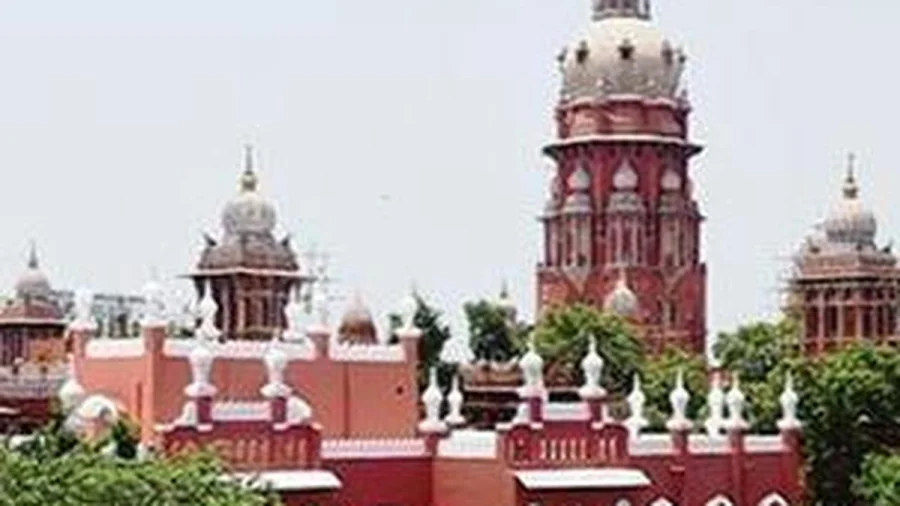
Dozens of temple lands in Karur district could be at the centre of a fresh legal battle. A litigant has approached the Madras High Court alleging that the state revenue department illegally lifted a long-standing ban on the registration of Devadanam (temple-donated) properties, causing loss to four temples. The court has now agreed to hear the public interest litigation.
Lifting of registration ban: what the litigant claims
The petition, filed by a local resident, states that without any public notice or consultation with the Hindu Religious and Charitable Endowments (HR&CE) department, the district revenue authorities removed a ‘ban on registration’ that was earlier placed on Devadanam lands in Karur taluk. The ban had been in force to prevent unauthorized sale of temple properties. The litigant contends that lifting it has exposed these lands to private transactions, directly harming the financial interests of four named temples.
Which temples are affected and why it matters
While the petition does not name the temples in the public domain, it refers to four temples that have historically depended on Devadanam land revenue for daily rituals and maintenance. Temple properties in Tamil Nadu are often under threat from encroachment and illegal sale. The HR&CE department is the statutory custodian, but the revenue department’s move, if unverified, could weaken that protection. For temple trust boards and devotees, this case is a test of how effectively state machinery safeguards religious endowments.
Legal background of Devadanam lands in Tamil Nadu
Devadanam lands are those donated to temples either by rulers or private individuals – their sale or transfer is restricted under the Tamil Nadu Hindu Religious and Charitable Endowments Act, 1959. Any change in the registration status requires prior approval from the Commissioner of HR&CE. Lifting a registration ban without that approval, the petitioner argues, is both illegal and a breach of fiduciary duty. The Madras High Court has in past judgments struck down unauthorized transfers of temple lands.
Human impact: why devotees and local communities worry
For residents of Karur, many of whom are temple-goers, the case evokes deep anxiety. Temple lands often support local priests, daily offerings, and festivals. If these lands are sold to developers or private individuals, the cultural and religious life of the village could weaken. The litigant represents a broader concern among local Hindu communities that temple properties are being eroded without transparency.
What the Madras High Court is likely to examine
When the PIL is heard, the bench will first examine whether a prima facie case exists. It may then issue notices to the Tamil Nadu government, the HR&CE department, and the Karur district administration. The key legal questions will be: Was the ban lifted through due process? Were the temples consulted? And has any actual transfer of land already taken place that cannot be undone? The court may also seek accounts of any registrations that occurred after the ban was removed.
Confirmed facts vs what remains unclear
What is confirmed: A PIL has been filed, the High Court has listed it, and the core allegation is that the registration ban was lifted without proper process. What remains unclear: the exact date the ban was lifted, whether the HR&CE department had been informed, whether any sale deed has been registered after the lift, and the names of the temples. These details may emerge once the state files its response.
Risks and balanced view
If the litigant’s claims are true, the revenue department could face serious legal consequences for bypassing the HR&CE Act. However, the department may argue that the ban was lifted on technical grounds – for instance, to clear encumbrances or because the lands were no longer classified as Devadanam. Without the government’s reply, it would be premature to conclude wrongdoing. The court will weigh both sides. The case also exposes a systemic weakness: the lack of a centralized, real-time register of temple properties across Tamil Nadu.
Wider trend: temple land disputes on the rise in Tamil Nadu
This Karur case is the latest in a series of temple property disputes across the state. In 2023, the Madras High Court had to direct the police to protect temple lands in Thanjavur. In 2024, a similar PIL was filed over temple properties in Tiruvannamalai. The common thread is poor coordination between the revenue and HR&CE departments. If this case leads to a judicial directive for better record-keeping and mandatory consultation before altering registration status, it could have statewide impact.
Practical reader guidance: what temple trust members and devotees should know
Anyone concerned about temple lands in their locality can file a complaint with the local HR&CE office or approach the court through a PIL – but legal aid is advisable. Temple trustees should ensure that all Devadanam lands in their possession are properly surveyed and registered with both HR&CE and the revenue department. Regular status checks on registration ban status can prevent unauthorized transfers. Those in Karur specifically should follow the High Court’s orders once issued.
Future outlook
The next hearing date is expected to be announced shortly. If the court issues notice, the state will have to file a counter within two to four weeks. An interim order – such as a direction to restore the ban on registration – could come earlier. Legal experts following the case say the outcome may set a precedent for how ban-lifting procedures are handled across Tamil Nadu districts.
Our Take
The Karur Devadanam land PIL is not just a legal proceeding – it is a reminder of the persistent vulnerability of religious endowments in India. Temple lands are meant to be perpetual sources of revenue for worship and community welfare. When government machinery defaults on its custodial duty, the court is the only shield. The Madras High Court has historically been vigilant on such matters. That vigilance should now translate into a swift hearing and clear guidelines for the future.
Frequently Asked Questions
What is a Devadanam land?
A Devadanam land is a property donated to a Hindu temple in Tamil Nadu. Such lands are protected under the Tamil Nadu HR&CE Act and cannot be sold or transferred without government permission.
Why was the registration ban lifted in Karur?
The exact reason is not yet known. The petitioner claims the ban was lifted without legal process. The revenue department has not filed its response yet. The Madras High Court will examine this.
How can I check if a temple land in my village is under a registration ban?
You can visit the local sub-registrar office or check the Tamil Nadu registration department website for encumbrance certificates. For temple lands, the HR&CE office also maintains records.
What can devotees do if temple lands are being sold illegally?
You can file a complaint with the HR&CE department’s local joint commissioner or approach the Madras High Court through a public interest litigation. Legal consultation is recommended before filing.



