
Summary
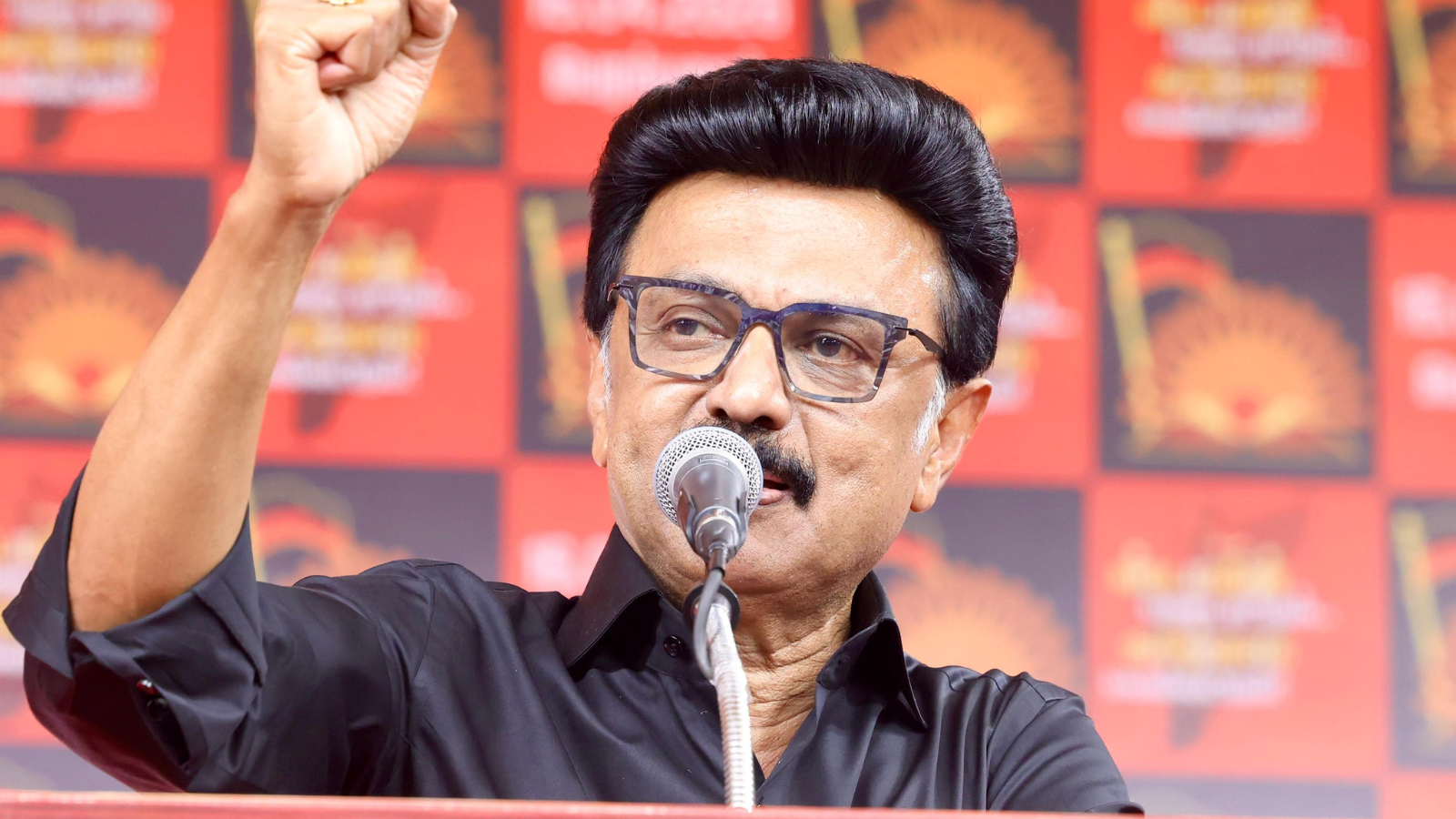
Tamil Nadu Chief Minister M.K. Stalin has voiced strong opposition to the central government's plans for delimitation. He described the proposal as a "calculated deception" that could harm the political power of southern states. Stalin warned that any attempt to push this bill through Parliament would face serious resistance in Tamil Nadu. He believes the move goes against previous promises made to maintain the state's current level of representation in the national government.
Main Impact
The primary concern regarding the new delimitation plan is the potential loss of political influence for states in South India. If the number of seats in Parliament is redrawn based on the latest population figures, states like Tamil Nadu could see a decrease in their share of representatives. This is because southern states have been more successful at controlling population growth compared to northern states. As a result, these states fear they are being punished for their success in healthcare and family planning programs.
Key Details
What Happened
Chief Minister M.K. Stalin spoke out against the central government's pitch for redrawing constituency boundaries. He argued that the move is a trick to weaken the voice of states that have followed national goals for population control. Stalin pointed out that while the government gives verbal assurances that no state will lose out, their legislative actions suggest otherwise. He called on the people and political parties in the South to stay alert and ready to protect their rights.
Important Numbers and Facts
The process of delimitation is usually tied to the national census. The last major freeze on the number of seats in the Lok Sabha was put in place to ensure that states did not lose power while trying to limit population growth. Currently, the total number of seats is based on the 1971 census data. If the new seats are based on the upcoming census, experts suggest that northern states like Uttar Pradesh and Bihar could gain dozens of seats, while southern states like Tamil Nadu and Kerala might stay the same or even lose seats in relative terms.
Background and Context
Delimitation is the act of fixing the limits or boundaries of territorial constituencies in a country. This is done to make sure that each representative in Parliament stands for a similar number of voters. In a perfect system, this keeps voting fair. However, India has a unique problem. For decades, the central government encouraged states to reduce their birth rates. Southern states were very successful at this. Northern states were not as successful. If the government now gives more seats to states with more people, it rewards the states that failed to control their population and punishes those that succeeded.
To prevent this unfairness, the government froze the number of seats in 1976 and again in 2001. That freeze is set to expire soon, which is why the debate has started again. Leaders in the South feel that their economic contributions and social progress are being ignored in favor of simple population numbers.
Public or Industry Reaction
The reaction from political leaders in South India has been mostly negative. Many agree with Stalin that the move feels like a betrayal. They argue that the South contributes a huge portion of India's tax revenue but receives less back in return. Reducing their political voice would make this imbalance even worse. On the other side, some supporters of the bill say that "one person, one vote" is a basic rule of democracy. They believe that every citizen should have equal representation, regardless of which state they live in.
What This Means Going Forward
This issue is likely to become a major point of conflict between the state and central governments. If the Centre moves forward with the Delimitation Bill without a clear plan to protect the South's interests, it could lead to widespread protests. There is also the possibility of legal challenges in the Supreme Court. The government may need to consider a new formula that balances population size with other factors, such as economic performance or social development, to keep all states satisfied.
Final Take
The debate over delimitation is a test for India's federal system. It highlights the growing gap between different parts of the country. Forcing a change that makes southern states feel like second-class citizens could damage national unity. A fair solution must be found that respects the democratic principle of population-based voting while also honoring the hard work states have done to improve their social standards.
Frequently Asked Questions
What is delimitation in simple terms?
Delimitation is the process of redrawing the boundaries of areas that elect a representative. It is done to ensure that each member of Parliament represents roughly the same number of people.
Why is Tamil Nadu worried about this process?
Tamil Nadu has successfully controlled its population growth. If seats are redrawn based on new population numbers, states with higher growth will get more seats, and Tamil Nadu will have less power in the national government.
When will the new delimitation take place?
The process is expected to begin after the next national census is completed. The current freeze on the number of seats is scheduled to end in 2026, making this a very urgent issue for political leaders.



