
Summary
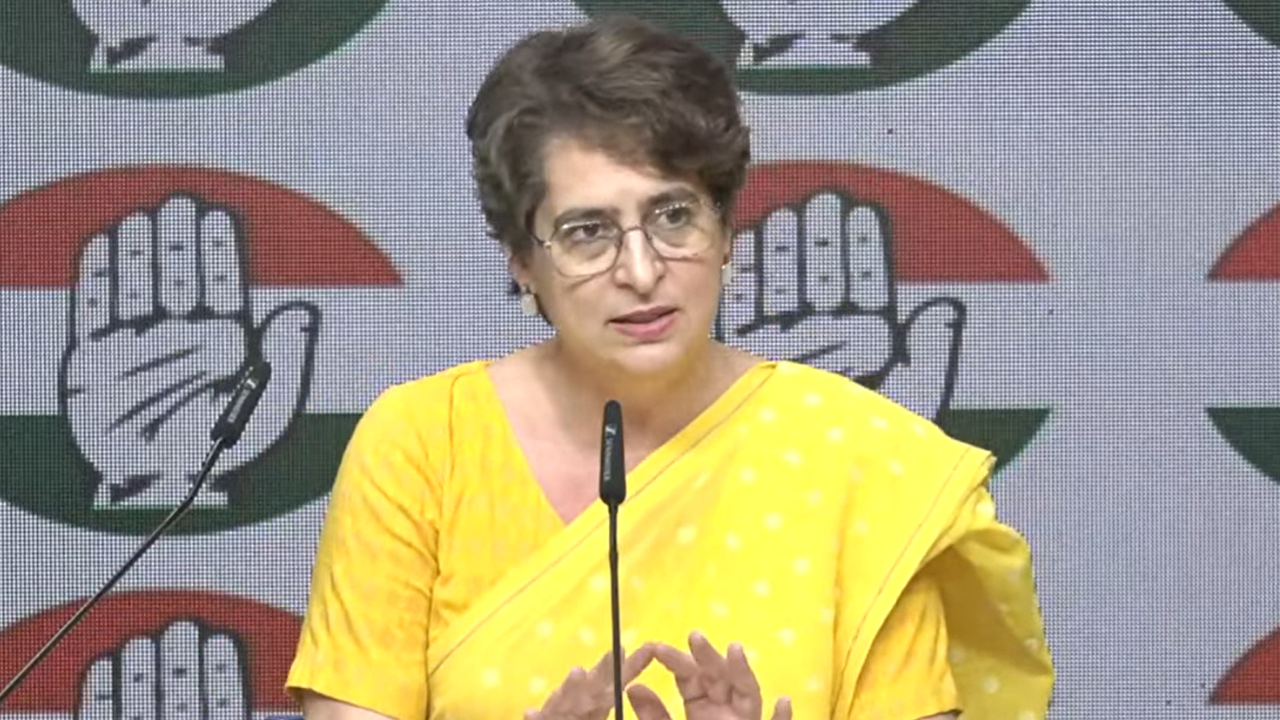
The Lok Sabha recently saw a major political shift when a new Delimitation Bill failed to pass. Priyanka Gandhi Vadra, a leader of the Congress party, described this outcome as a significant victory for the country's democratic system. The bill was controversial because it tried to link the long-awaited women’s reservation seats to the process of redrawing voting boundaries. Opposition leaders argued that this move was a hidden attempt to change how power is shared between different states in India.
Main Impact
The defeat of this bill stops a plan that many feared would weaken the rights of individual states. By linking women's seats to a new census and boundary changes, the government had created a situation where the reservation might not happen for many years. The failure of the bill means the government must now rethink its strategy if it wants to increase women's participation in politics. It also shows that the opposition can successfully block laws that they believe hurt the federal structure of the country.
Key Details
What Happened
The government brought the Delimitation Bill to the Lok Sabha, hoping to get it passed quickly. However, when it came time to vote, the bill did not get the majority support it needed. This was a surprise to many, as the ruling party usually has enough support to pass its main proposals. The main point of disagreement was not the idea of giving women more seats in parliament, but rather the conditions the government attached to it. Opposition parties voted against it because they felt the government was using women's rights as a way to push through other political changes.
Important Numbers and Facts
The bill required a specific majority to move forward, which it failed to reach during the session. The core of the bill involved two main steps: first, a new national census would be conducted, and second, a delimitation exercise would follow. Delimitation is the process of changing the limits or boundaries of voting areas to account for changes in population. Under the proposed law, the 33 percent reservation for women in the Lok Sabha and state assemblies would only start after these two massive tasks were finished. Critics pointed out that this could delay women's reservation until at least 2029 or even later.
Background and Context
To understand why this bill was so controversial, it is important to know what delimitation means for India. Every few decades, the government is supposed to redraw the lines of political constituencies so that each member of parliament represents a similar number of people. However, this has been a sensitive topic for a long time. States in the southern part of India have been very successful at controlling their population growth. Meanwhile, states in the north have seen their populations grow much faster. If boundaries are redrawn based strictly on population, southern states fear they will lose seats in parliament, while northern states will gain more power.
By linking women's reservation to this process, the government was accused of trying to force through a boundary change that many states oppose. Priyanka Gandhi and other leaders argued that women should get their reserved seats immediately, based on the current voting maps, rather than waiting for a complicated and controversial census process to finish.
Public or Industry Reaction
Priyanka Gandhi Vadra was very vocal after the vote, calling the bill's defeat a "big win for democracy." She claimed the central government had a "conspiracy" to change the way the country is run. Other opposition parties shared this view. They stated that while they fully support giving women 33 percent of the seats in legislatures, they do not want it tied to the census or delimitation. They called the government's bill a "distraction" and demanded a simpler law that provides reservation right away. On the other side, government supporters argued that the linkage was necessary to ensure the new seats are distributed fairly across the updated population numbers.
What This Means Going Forward
The failure of this bill puts the government in a difficult position. They have promised to give women more political power, but their current method has been rejected. There will likely be more debates in the coming months about how to implement women's reservation without causing a fight between different states. The government may have to bring a new, simpler bill to parliament that separates the reservation from the boundary changes. If they do not, the issue could become a major talking point in the next general election. For now, the current voting boundaries will remain as they are, and the debate over the census continues.
Final Take
The rejection of the Delimitation Bill shows that the Indian parliament is still a place where major government plans can be challenged. It highlights the deep concerns many leaders have about maintaining a fair balance of power between the north and south. While everyone seems to agree that women deserve more representation in government, the path to getting there remains blocked by disagreements over how to count and divide the population. This event serves as a reminder that in a democracy, even popular ideas like women's reservation must be implemented in a way that respects the rights of all states.
Frequently Asked Questions
What is a Delimitation Bill?
It is a law that sets the rules for redrawing the boundaries of voting areas. This is usually done to make sure each representative has a fair number of voters after the population changes.
Why did Priyanka Gandhi oppose the bill?
She did not oppose women's reservation itself. She opposed the bill because it linked the reservation to a new census and boundary changes, which she believed was a trick to delay the process and change the country's power structure.
When will women get the 33 percent reservation?
Since this bill failed, the timeline is now uncertain. If a new bill is passed without the delimitation link, it could happen sooner. If the government insists on the link, it may not happen for several years.



