
Summary
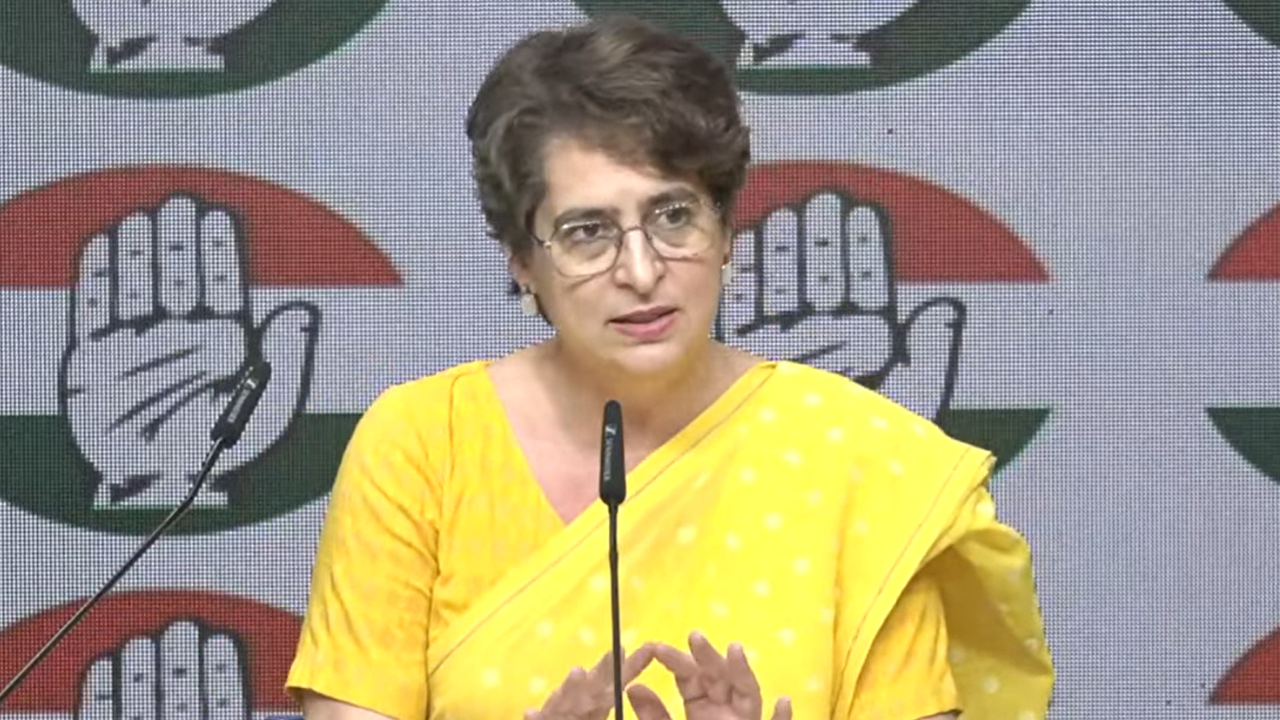
Priyanka Gandhi Vadra has described the recent defeat of the Delimitation Bill in the Lok Sabha as a major win for the people and a victory for democracy. The bill, which was introduced by the central government, failed to get the number of votes needed to pass. This event marks a significant moment in parliament, as the opposition successfully blocked a key piece of government legislation. Priyanka Gandhi claimed that the government faced a "shock" for the first time and accused them of trying to unfairly change how the country is governed.
Main Impact
The failure of this bill has created a major shift in the current political climate. For several years, the central government has been able to pass most of its proposed laws with ease. However, this defeat shows that the opposition is now more united and capable of stopping government plans they disagree with. The main impact is a delay in the implementation of women’s reservation in parliament, as the government had tied this popular idea to more controversial changes in voting districts.
Key Details
What Happened
The central government brought a bill to the Lok Sabha that aimed to reserve 33% of seats for women in parliament and state assemblies. While almost all parties agree with giving women more seats, the government added a condition. They stated that this reservation would only happen after a new census was completed and after the boundaries of voting districts were redrawn. This process of redrawing boundaries is known as delimitation. The opposition parties refused to support the bill because of this link, leading to its defeat during the voting process.
Important Numbers and Facts
To pass a bill that changes the constitution, the government needs a two-thirds majority of the members present and voting. In this case, the bill did not reach that target. The opposition argued that since the national census has already been delayed since 2021, linking women's rights to a future census could mean a wait of ten years or more. They demanded that the 33% reservation for women be put into action immediately, without waiting for new maps or population counts.
Background and Context
This topic is important because it involves how power is shared across India. Delimitation is a sensitive issue. It involves changing the number of seats each state has in parliament based on their population. States in the southern part of India have been very successful at controlling population growth. They fear that if seats are redrawn based only on new population numbers, they will lose their influence in parliament. Meanwhile, states in the north with much higher populations would gain more seats. By linking women's reservation to this process, the opposition felt the government was trying to force a change that would hurt the balance between different states.
Public or Industry Reaction
Priyanka Gandhi Vadra was very direct in her response to the vote. She called it a "black day" for the central government, suggesting that they had been caught off guard by the strength of the opposition. She stated that the government’s plan was a "conspiracy" to alter the federal structure of India. Other leaders from various opposition parties shared this view. They argued that the government was using the promise of women's reservation as a "shield" to hide other changes that would give the central government more power over the states. On the other hand, members of the ruling party expressed disappointment, claiming the opposition was standing in the way of progress for women.
What This Means Going Forward
The defeat of the bill means the government must now rethink its strategy. They have two main choices. They can try to bring a new, simpler bill that offers reservation to women without linking it to the census or delimitation. If they do this, it is likely the bill would pass with support from all sides. Alternatively, the government might wait and try to build a stronger majority in the future. This event also gives the opposition a boost in confidence. It shows that they can successfully challenge the government on major policy issues if they stay united.
Final Take
The rejection of the Delimitation Bill highlights the importance of consensus in a large and diverse country like India. While the goal of increasing women's participation in politics is widely supported, the path to achieving it remains a point of heavy debate. This event serves as a reminder that major changes to the way the country is run require more than just a simple majority; they require the trust and agreement of parties representing all regions of the nation.
Frequently Asked Questions
Why did the Delimitation Bill fail to pass?
The bill failed because it did not get the required two-thirds majority in the Lok Sabha. The opposition voted against it because the bill linked women's reservation to a new census and the redrawing of voting districts.
What is the main concern with delimitation?
The main concern is that redrawing voting districts based on population could reduce the political power of states that have successfully controlled their population growth, particularly in southern India.
What does Priyanka Gandhi mean by a "victory for democracy"?
She believes that by stopping the bill, the opposition protected the rights of the states and prevented the government from making major changes to the country's political structure without proper agreement.



