
Summary
Senior political leader P. Chidambaram has raised serious concerns about the upcoming redrawing of voting districts in India. He warns that this process, known as delimitation, will significantly reduce the political influence of Southern states in Parliament. By basing the number of seats on population size, states that successfully managed their population growth may end up with fewer representatives. This move could create a major shift in how power is shared across the country.
Main Impact
The primary impact of this change is a potential loss of political power for states like Tamil Nadu, Kerala, and Karnataka. In the current system, every state has a set number of Members of Parliament (MPs). However, if the new rules focus strictly on population numbers, Northern states with higher birth rates will gain many more seats. This means the South, which has better healthcare and education outcomes, would have a smaller voice in making national laws and choosing the country's leaders.
Key Details
What Happened
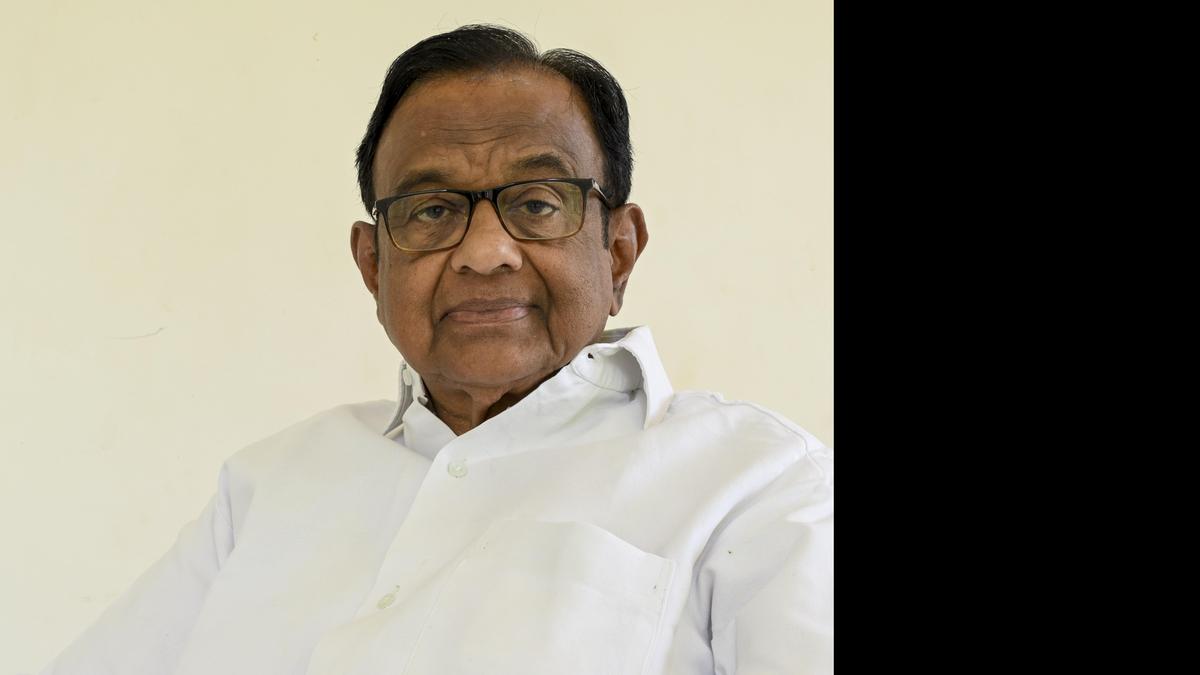
P. Chidambaram, a former union minister, spoke out against the timing and the intent of the government's plans. He suggested that the current administration is pushing through changes while many opposition leaders are busy with election campaigns. He specifically mentioned that MPs from Tamil Nadu and West Bengal are finding it difficult to attend important meetings because they are working on the ground for their voters. He believes this timing is a strategy to limit the opposition's ability to argue against these changes.
Important Numbers and Facts
The number of seats in the Lok Sabha, which is the lower house of India's Parliament, has been mostly the same for decades. A freeze was put in place years ago to ensure that states were not punished for controlling their population. If this freeze is lifted and new seats are added based on the latest census data, some experts predict that Northern states could gain dozens of new seats. Meanwhile, Southern states might see very little change, making their percentage of the total vote much smaller than it is today.
Background and Context
To understand why this matters, we have to look at how democracy works in India. Seats in Parliament are meant to represent the people. Usually, more people mean more seats. In the 1970s, the Indian government realized that states with high populations were getting more power, while states trying to follow family planning goals were losing out. To fix this, they decided to stop changing the number of seats for a long time.
Now, that period is coming to an end. The government wants to update the boundaries to reflect where people live today. While this sounds fair on paper, it creates a huge problem for the South. These states followed national advice to reduce population growth. Now, they feel that their reward for doing a good job is losing their right to be heard equally in the national government.
Public or Industry Reaction
The reaction from Southern political parties has been strong. Many leaders agree with Chidambaram that the move feels like a penalty for progress. They argue that the South contributes a large portion of the country's taxes and economic growth. If they lose political power, they fear their needs and their money will be directed toward Northern states that have more voting power. There is also a feeling of frustration regarding the legislative process. Critics say that making big changes during election season prevents a fair and open debate in Parliament.
What This Means Going Forward
Moving forward, this issue could lead to tension between different regions of India. If the Southern states feel their voices no longer matter in the capital, it could lead to protests or demands for more local control over taxes and laws. The government will need to find a way to balance the need for updated voting maps with the need to keep all states feeling like equal partners. There are suggestions to increase the total number of seats so that no state actually loses its current count, but even then, the balance of power would still shift toward the North.
Final Take
The debate over delimitation is about more than just numbers on a map; it is about the fairness of a national democracy. If a region is punished for its success in social and health goals, it sends a confusing message to the rest of the country. Ensuring that every part of India feels represented is essential for keeping the nation united and stable. The coming years will show if the government is willing to listen to these concerns or if it will move ahead with a plan that could change the face of Indian politics forever.
Frequently Asked Questions
What is delimitation in simple terms?
Delimitation is the process of redrawing the boundaries of voting areas or constituencies. It is done to make sure each representative in Parliament stands for a similar number of people based on the latest census data.
Why is P. Chidambaram concerned about the South?
He is concerned because Southern states have lower population growth than Northern states. If seats are assigned based only on population, the South will have fewer representatives in Parliament, giving them less power to influence national decisions.
When will these changes happen?
The process is expected to begin after the next census is completed. While the exact dates are not yet set, the discussion is happening now because the legal freeze on seat numbers is reaching its end, and the government is preparing for the next steps.



