
Summary
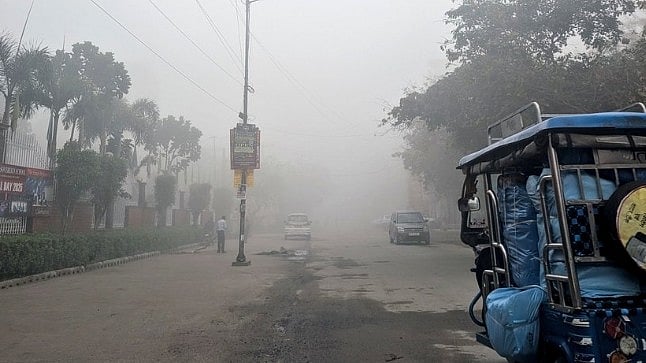
Delhi residents experienced a surprising return to cold weather on Saturday morning as a thick layer of fog and chilly winds covered the city. Temperatures dropped significantly below the usual levels for March, making it feel more like winter than early spring. This sudden change follows a day of heavy rain that helped clear the air, giving the capital its cleanest air quality in several months. While the sun is expected to come out later, the cool breeze and low morning temperatures have changed the city's typical weather pattern for this time of year.
Main Impact
The primary effect of this weather shift is a major improvement in the city's air quality and a break from the rising heat. For the first time in nearly five months, the air in Delhi reached a "satisfactory" level, which is a rare event for the capital. The rain on Friday acted as a natural filter, washing away dust and smoke particles that usually hang over the city. Additionally, the cold morning has forced many people to bring out their light sweaters and jackets again, even though summer is usually just around the corner.
Key Details
What Happened
On Saturday morning, the city was wrapped in fog, and the temperature fell to 13°C. This is about 3.5 degrees lower than what is normal for this time of March. Just the day before, the minimum temperature was 16°C, showing a quick drop in just 24 hours. Brisk winds added to the chill, making the morning feel even colder for those heading out early for work or exercise.
Important Numbers and Facts
The Air Quality Index (AQI) was recorded at 94 on Saturday morning. In Delhi, any reading between 51 and 100 is considered "satisfactory." This is the first time the city has seen such a clean reading since October 9, 2025. On Friday, the city received 7 mm of rain, which played a huge role in cooling the environment. The maximum temperature on Friday only reached 21.7°C, which was nearly 10 degrees lower than usual. This made it the coldest day in March that the city has seen since the year 2020.
Background and Context
March is usually a month where Delhi starts to get warm. People generally expect the sun to get stronger and the days to get hotter as the city moves toward April. However, this year has been different. The amount of rain seen this month has already passed the usual average of 16.2 mm. This makes it the wettest March the city has had in three years. These changes are often caused by weather patterns known as western disturbances. These are storms that travel from the Mediterranean region and bring rain and cold winds to northern India. When these storms are strong, they can temporarily push back the summer heat and bring winter-like conditions back for a few days.
Public or Industry Reaction
Many residents have welcomed the cleaner air and the cooler weather. On social media, people shared photos of the foggy morning and expressed relief at being able to breathe fresh air without the usual smog. Health experts note that such drops in pollution are beneficial for people with breathing problems, though the sudden change in temperature can sometimes lead to common colds. Weather experts at the India Meteorological Department (IMD) have been monitoring these changes closely to provide updates for travelers and farmers who might be affected by the sudden rain and wind.
What This Means Going Forward
The cool weather is not expected to last forever, but more rain might be on the way. Forecasters say that another weather system could bring very light rain, thunderstorms, and lightning on Monday. For the next few days, the air quality is expected to stay in the "moderate" category, which is still better than the "poor" or "very poor" levels the city often sees. Temperatures will likely start to rise again slowly, with Saturday's high expected to reach around 27°C. Residents should keep their umbrellas and light woolens ready for at least a few more days as the weather remains unpredictable.
Final Take
Delhi is currently enjoying a rare period of clean air and pleasant temperatures thanks to unseasonal rains. While the fog and chill might feel like a step back into winter, the break from pollution is a significant benefit for everyone in the city. As the weather patterns shift again next week, the capital continues to experience one of its most unusual and wettest months of March in recent memory.
Frequently Asked Questions
Why is the air quality so good in Delhi right now?
The air quality improved because of the rain that fell on Friday. Rain helps by washing away pollutants and dust from the air, bringing the AQI down to a "satisfactory" level for the first time in months.
How cold did it get in Delhi this weekend?
The minimum temperature dropped to 13°C on Saturday morning, which is about 3.5 degrees below the normal temperature for this time of year. Friday also saw a very low maximum temperature of 21.7°C.
Will it rain again soon?
Yes, weather officials have predicted that very light rain and thunderstorms could return on Monday due to a new weather disturbance affecting the northern part of the country.

