
Summary
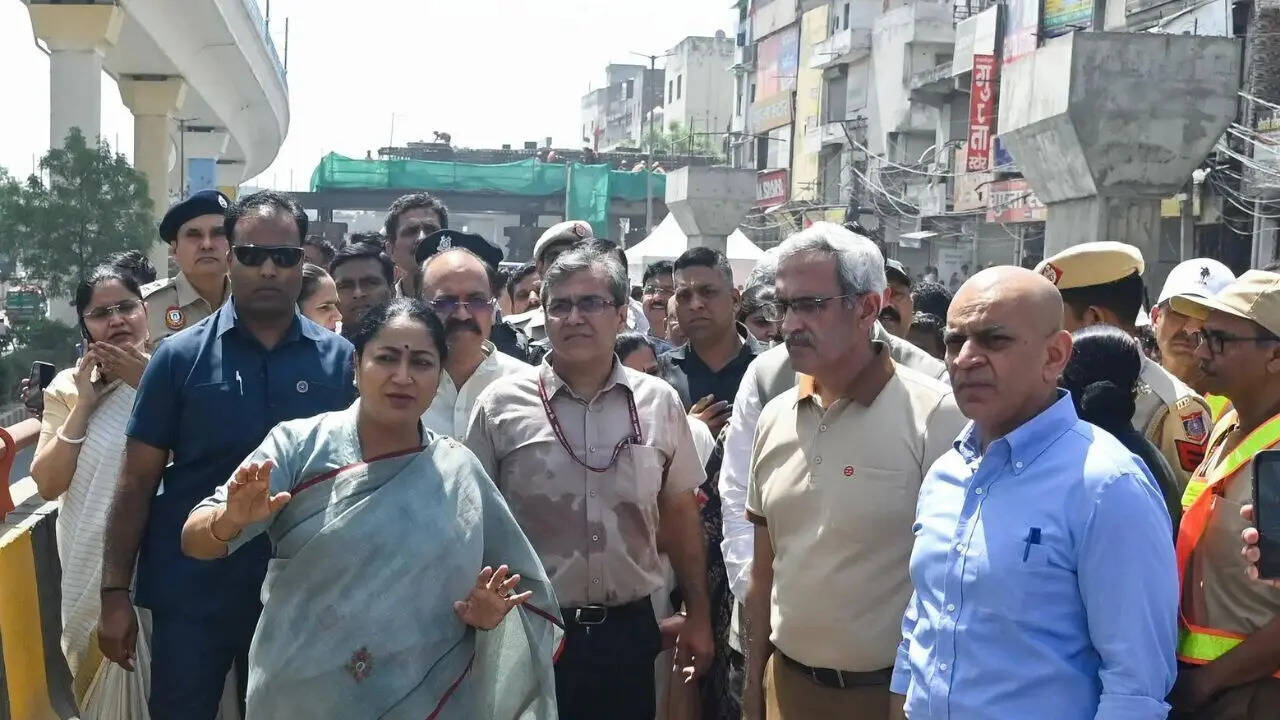
The Chief Minister of Delhi recently conducted a surprise inspection in the Azadpur area to address the growing problem of waterlogging. During the visit, the CM expressed strong dissatisfaction with the slow progress of drainage cleaning and maintenance. He strictly warned the officials on-site and ordered them to take immediate action to ensure that roads remain clear during the rainy season. This move is part of a larger effort to improve the city's infrastructure and prevent the yearly flooding that affects thousands of residents and traders.
Main Impact
The primary impact of this inspection is a renewed focus on government accountability. By visiting the ground level, the Chief Minister has sent a clear message that negligence will not be tolerated. For the people living and working in Azadpur, this could mean a significant reduction in the time it takes for rainwater to clear from the streets. Better drainage helps prevent traffic jams, reduces the risk of water-borne diseases, and ensures that the local economy—which relies heavily on the movement of goods—does not come to a standstill.
Key Details
What Happened
During his visit to Azadpur, the Chief Minister walked through several streets to see the condition of the drains firsthand. He found that many of the main drainage lines were filled with silt and garbage, which prevents water from flowing freely. He pulled up the engineers and senior officials from the Public Works Department (PWD) and the local municipal body. The CM pointed out that despite previous orders, the work on the ground was not visible. He directed the teams to deploy more machinery and workers to finish the cleaning process within a strict timeframe.
Important Numbers and Facts
Azadpur is home to one of the largest wholesale fruit and vegetable markets in Asia. Every day, thousands of trucks enter and exit this area to supply food to the entire National Capital Region. When waterlogging occurs, it affects more than just the local residents; it disrupts the food supply chain for millions of people. In past years, even a few hours of heavy rain have led to water levels rising up to two or three feet in certain low-lying spots. The CM has now asked for a weekly progress report to ensure that the desilting work is moving at the required speed.
Background and Context
Waterlogging has been a major issue in Delhi for many decades. The city's drainage system is quite old and often struggles to handle the volume of water during heavy monsoon showers. Many of the drains are managed by different government agencies, which sometimes leads to confusion and a lack of coordination. Azadpur, being a low-lying area with heavy commercial activity, is particularly vulnerable. In simple terms, when the drains are blocked with plastic and mud, the water has nowhere to go but onto the roads. This creates a mess for everyone and can lead to accidents and property damage.
Public or Industry Reaction
Local traders and shopkeepers in the Azadpur Mandi have welcomed the Chief Minister's direct involvement. Many business owners have complained for years that flooding during the rains leads to the rotting of fresh produce, causing huge financial losses. Residents in the nearby colonies also expressed relief, hoping that this year will be different from the last. However, some civic experts remain cautious. They argue that while inspections are good, the city needs a long-term plan to redesign the drainage pipes to match the growing population and changing weather patterns.
What This Means Going Forward
Following this inspection, officials are expected to work under high pressure to meet the new deadlines. We are likely to see more cleaning crews and heavy machinery on the streets of Azadpur in the coming weeks. If this model of direct supervision works, the government may expand it to other flood-prone areas like Minto Road or ITO. The success of these efforts will be tested as soon as the next heavy rain hits the city. The government also plans to use sensors in some drains to monitor water levels in real-time, which could help in sending out early warnings to the public.
Final Take
The Chief Minister’s visit to Azadpur highlights a shift toward more active governance. While the immediate goal is to stop water from collecting on the roads, the bigger challenge is maintaining this standard throughout the year. For the citizens of Delhi, the hope is that these strict orders turn into real results on the ground. Clean drains are not just about convenience; they are essential for the health, safety, and economy of a growing city. Constant monitoring and quick action are the only ways to ensure that the rainy season does not turn into a season of struggle for the common man.
Frequently Asked Questions
Why does Azadpur face so much waterlogging?
Azadpur is a low-lying area with a very high volume of traffic and commercial activity. The drains often get blocked by garbage and silt, which prevents rainwater from flowing away quickly.
What did the Chief Minister order during his visit?
The CM ordered officials to immediately clean the blocked drains, increase the number of workers on the ground, and provide weekly reports on the progress of the work.
How does waterlogging affect the Azadpur market?
Flooding makes it difficult for trucks to deliver food, which can lead to higher prices. It also causes fresh fruits and vegetables to spoil if they are kept in damp or flooded conditions.



