
Summary
Delhi University (DU) has officially rejected claims made by Congress leader Rahul Gandhi regarding its student selection process. Gandhi recently alleged that the university uses the interview stage of admissions to unfairly remove or "eliminate" certain students. The university administration responded by stating that their admission methods are transparent, fair, and based strictly on merit. This disagreement has sparked a wider conversation about how top educational institutions choose their students and whether political influence plays a role in academic decisions.
Main Impact
The main impact of this dispute is the potential effect on public trust in the Indian education system. When high-profile political leaders question the fairness of a major university, it can cause worry among students and parents. Delhi University is one of the most respected institutions in the country, and any doubt about its integrity is a serious matter. By dismissing these allegations quickly, the university hopes to maintain its reputation and reassure the public that every student has an equal chance to succeed based on their hard work and test scores.
Key Details
What Happened
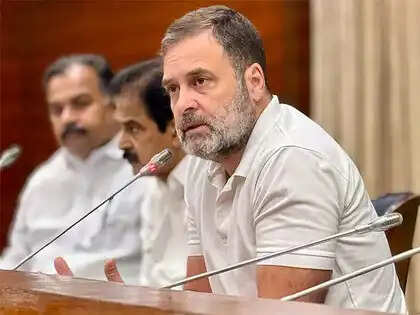
The controversy began when Rahul Gandhi spoke about the challenges students face during the admission process. He suggested that the interview process is not being used to find the best talent, but rather to filter out candidates who do not align with certain political or social views. He claimed that this "elimination" process prevents many deserving students from getting the education they deserve. Delhi University leaders were quick to respond, calling these statements factually incorrect. They argued that the university follows a very structured system that leaves little room for personal bias.
Important Numbers and Facts
Delhi University handles a massive number of applications every year, often exceeding several hundred thousand. In recent years, the university moved away from using only high school marks for admissions. Instead, it adopted the Common University Entrance Test (CUET). While the CUET is the primary way students get in, interviews are still used for specific postgraduate courses, PhD programs, and certain reserved categories. The university pointed out that interview panels consist of multiple experts and observers to ensure that no single person can unfairly influence the final decision.
Background and Context
For decades, getting into Delhi University was based almost entirely on "cut-off" percentages from board exams. This system was often criticized because different school boards graded students differently. To fix this, the central government introduced a national entrance exam. However, the debate has now shifted toward the interview process. Critics of the current system often argue that interviews allow for subjective judgment, which could lead to favoritism. On the other hand, the university argues that interviews are necessary for higher-level research and specialized subjects where a written test cannot show a student's full potential or passion for the subject.
Public or Industry Reaction
The reaction to this news has been divided along political lines. Supporters of the opposition party believe that Rahul Gandhi is raising an important point about the lack of diversity and the possible influence of political groups on campus. They feel that the interview process should be more closely watched or even recorded to ensure fairness. Meanwhile, many faculty members and university officials have defended the institution. They believe that attacking the admission process hurts the hard work of the teachers who spend weeks evaluating candidates. Some education experts have suggested that while the system is not perfect, calling it a tool for "elimination" is an exaggeration that does not help improve the university.
What This Means Going Forward
Moving forward, Delhi University may face more pressure to be even more open about how it conducts interviews. There could be calls for clearer guidelines on how interview marks are given and how they are balanced against entrance exam scores. For students, this means they should continue to focus on their exams while also being prepared for the possibility of face-to-face evaluations in certain fields. The government and university leaders will likely continue to defend the current system, but the ongoing debate might lead to small changes that make the process feel more transparent to the average applicant.
Final Take
The quality of a university is often judged by how fair its admission process is. While political leaders will always have opinions on how public institutions are run, the focus should remain on the students. Delhi University’s firm rejection of these claims shows that it is confident in its current methods. However, maintaining this confidence will require the university to stay consistent and prove through its actions that merit is the only thing that matters. Education is a path to a better future, and it is vital that this path remains open to everyone regardless of their background.
Frequently Asked Questions
Does Delhi University use interviews for all undergraduate courses?
No, most undergraduate admissions are now based on the scores from the Common University Entrance Test (CUET). Interviews are generally reserved for specific categories, postgraduate degrees, and research positions.
What was the main allegation made by Rahul Gandhi?
He alleged that the interview process is used as a way to "eliminate" students who do not fit a certain profile, rather than selecting the most qualified candidates based on their skills.
How does DU ensure that interviews are fair?
The university states that it uses panels made up of several experts and follows strict guidelines. This multi-person approach is designed to prevent any individual bias from affecting a student's chances of admission.



