
Summary
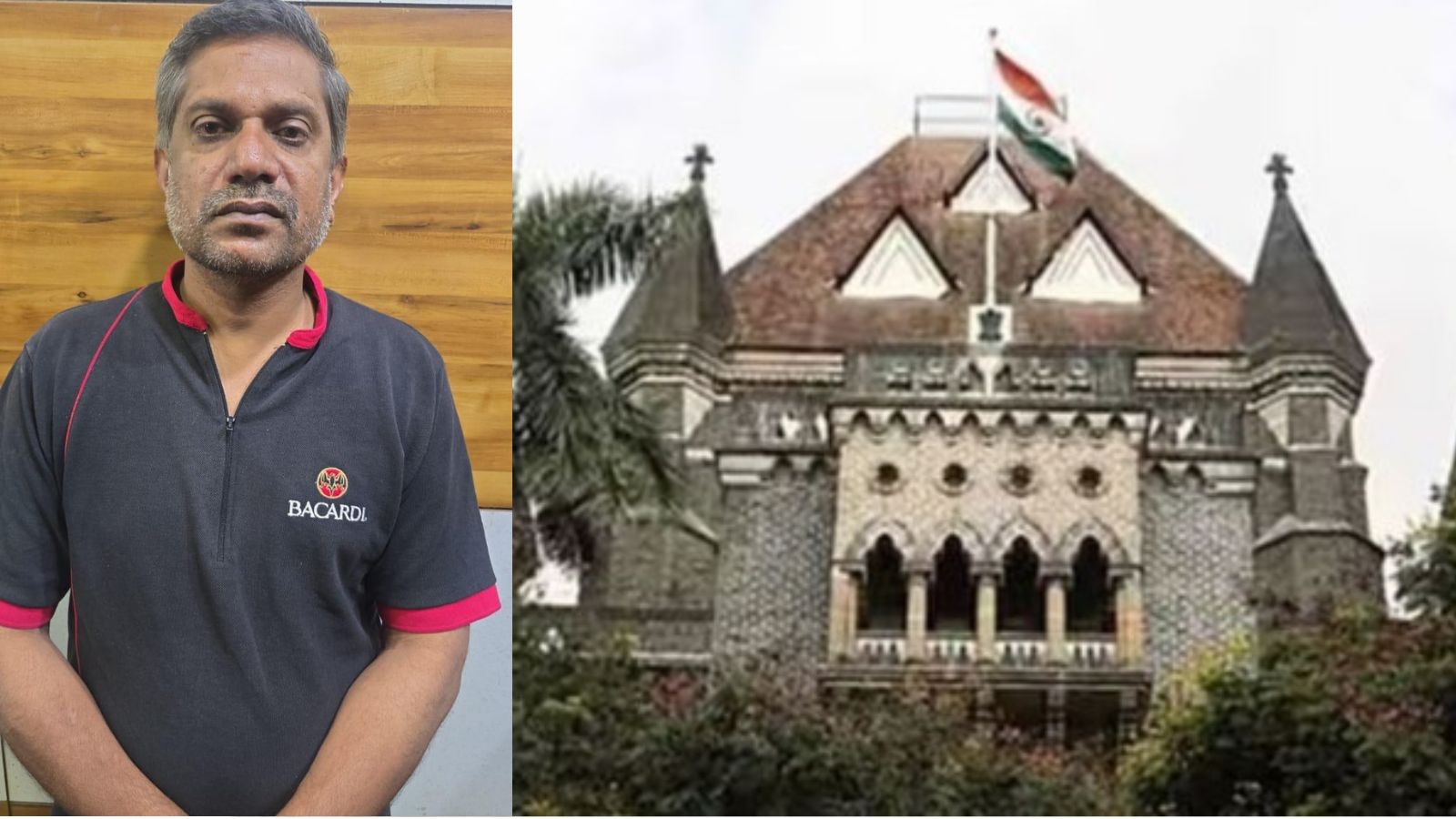
The Delhi Police have made a major breakthrough by arresting a man from Mysuru who is accused of sending over 1,500 hoax threat emails. These fake messages targeted several high-profile locations across India, including schools, airports, and government buildings. Recently, investigators found a direct link to Mumbai, as the suspect reportedly sent a threat to the Bombay High Court. This arrest is seen as a significant step in stopping a wave of digital threats that have caused widespread fear and disrupted public services for months.
Main Impact
The primary impact of this arrest is the relief it brings to security agencies and the general public. For a long time, these hoax emails forced schools to close early and caused massive delays at airports. By catching the person responsible, the police have shown that people cannot hide behind the internet to cause chaos. The discovery of the threat against the Bombay High Court shows that the suspect was targeting the very heart of the legal system, which added more pressure on the police to find him quickly.
Key Details
What Happened
The suspect, a resident of Mysuru in Karnataka, allegedly used various online tools to hide his identity while sending threatening messages. He sent these emails to different organizations, claiming that bombs had been planted on their premises. Each time an email was received, the police had to follow strict safety rules. This involved evacuating buildings, using bomb squads, and bringing in sniffer dogs to check every corner. After a long digital investigation, the Delhi Police tracked the source of the emails back to the man in Mysuru.
Important Numbers and Facts
The scale of this case is quite large. The police state that the man sent at least 1,500 emails over a period of several months. These messages were sent to more than 100 schools in Delhi alone, as well as several major airports across the country. The most recent discovery involves a threat sent to the Bombay High Court, marking the first confirmed link to a major institution in Mumbai. The suspect is currently in police custody, and his electronic devices, including laptops and phones, have been seized for further study.
Background and Context
Over the past year, India has seen a sharp rise in hoax bomb threats. These threats are often sent via email or social media. Even though most of them turn out to be fake, the authorities must treat every single one as a real danger. This has put a lot of stress on the police and emergency services. In many cases, parents had to rush to schools to pick up their children in a state of panic. Flights were also grounded or diverted, costing airlines a lot of money and making travelers feel unsafe. The government has been looking for ways to track these emails more effectively, especially when they are sent using services that hide the sender's location.
Public or Industry Reaction
The public reaction has been a mix of anger and relief. Many people are frustrated that one person could cause so much trouble for thousands of others. Parents of school-going children have expressed their worries about the safety of their kids and the mental stress caused by constant evacuations. Within the legal and aviation industries, there is a call for much stricter punishments for those who send hoax threats. Security experts have praised the Delhi Police for their hard work in tracking down the suspect, noting that digital crimes are often very hard to solve when the person uses advanced tools to stay anonymous.
What This Means Going Forward
This arrest will likely lead to a deeper investigation into whether the suspect acted alone or had help from others. It also serves as a warning to anyone else thinking of sending fake threats. The police are now working with internet service providers to close the gaps that allow people to send anonymous emails. In the future, we might see new laws that specifically target "digital hoaxes" with very high fines and long jail sentences. Security at places like the Bombay High Court and major airports will remain high, but the frequency of these scares is expected to drop now that a key suspect is behind bars.
Final Take
The arrest of the Mysuru man is a victory for law enforcement and a reminder that the law eventually catches up with those who misuse technology. While the internet offers many ways to stay hidden, the digital trail left behind is often enough for skilled investigators to follow. Stopping these 1,500 hoax threats helps restore a sense of peace to schools, courts, and airports. It is a clear sign that the authorities are committed to protecting the public from both physical and digital harm.
Frequently Asked Questions
Why did the man send so many hoax emails?
The police are still investigating the exact motive. In many cases, such individuals seek attention or want to test the response of security agencies, but a full report will be available after the questioning is finished.
What happens when a school or court receives a hoax threat?
The building is immediately evacuated, and security teams perform a thorough search. Even if the police suspect it is a hoax, they must check everything to ensure everyone is safe.
Can the police track emails sent through a VPN?
Yes, while a VPN makes it harder to find someone, the police can use digital forensics and work with international agencies to find the original source of the message.



