
Summary
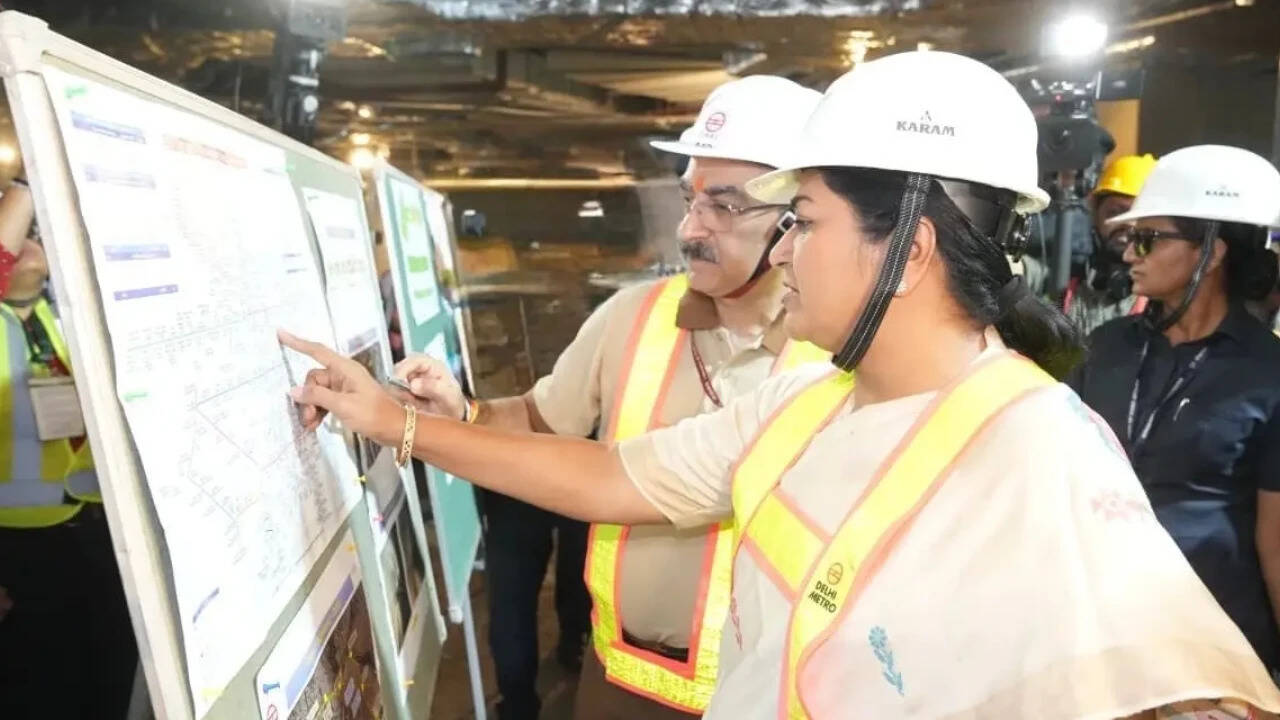
Delhi Chief Minister Gupta recently visited the RK Ashram Marg metro station to check on the progress of Phase 4 construction. This visit was part of a larger effort to ensure that the city's transport projects are moving forward without delays. The Phase 4 expansion is a major project designed to improve how people travel across the capital. By visiting the site in person, the Chief Minister highlighted the government's focus on finishing this work on time to help daily commuters.
Main Impact
The expansion of the metro system will have a huge impact on daily life in Delhi. Once the new lines are open, they will connect central parts of the city to areas that were previously hard to reach by train. This will significantly reduce the time people spend traveling to work or school. Additionally, better public transport means fewer cars on the road, which helps lower air pollution and reduces traffic jams. For many residents, this project represents a much easier and faster way to get around a very crowded city.
Key Details
What Happened
During the inspection, CM Gupta walked through the underground construction areas at RK Ashram Marg. He was accompanied by senior engineers and officials from the Delhi Metro Rail Corporation (DMRC). The Chief Minister looked at the progress of the tunnels and the station platforms. He spent time talking to the technical team about the challenges they face while building in a crowded area. He also made sure to check the safety measures in place for the workers and the public living nearby. The visit ended with a meeting where the CM gave specific instructions to speed up certain parts of the project.
Important Numbers and Facts
Phase 4 is one of the most ambitious stages of the Delhi Metro. It includes the construction of about 65 kilometers of new tracks across the city. The specific section that includes RK Ashram Marg is part of a 29-kilometer corridor that runs from Janakpuri West. This stretch alone will feature 22 new stations. The government has allocated a large budget to ensure the project uses modern technology, such as advanced tunnel boring machines. Most of the work is expected to be finished by late 2026 or early 2027, provided there are no major setbacks.
Background and Context
The Delhi Metro has been the main way people travel in the city for over twenty years. As the population grows, the existing lines have become very crowded. Phase 4 was planned to solve this problem by adding more routes and connecting existing lines. RK Ashram Marg is a vital spot because it serves as an interchange station. This means it allows passengers to switch between the Blue Line and the new Magenta Line extension. Building in central Delhi is difficult because the ground is often soft and there are many old buildings nearby that must be protected during digging.
Public or Industry Reaction
Many people living in Delhi are happy to see the government taking an active interest in the project. Commuters have expressed hope that the new lines will make their daily trips less stressful. However, some local business owners near RK Ashram Marg have raised concerns about the noise and dust caused by the heavy machinery. In response, the Chief Minister asked the DMRC to use better dust management tools to keep the air clean for neighbors. Transport experts believe that finishing Phase 4 will boost the local economy by making it easier for workers to reach different parts of the city.
What This Means Going Forward
The government plans to keep a close eye on the construction schedule. CM Gupta mentioned that he will perform more surprise visits to other sites in the coming months. The focus will now shift to laying the tracks and installing the electrical systems. If the current pace continues, the first sections of Phase 4 could open for testing soon. The DMRC is also looking into using more green energy, like solar power, to run the new stations once they are operational. This move is part of a larger plan to make Delhi a more modern and sustainable city.
Final Take
Improving the city's infrastructure is a difficult but necessary task. The visit by the Chief Minister shows that the government is committed to making public transport a priority. While construction causes some temporary problems for locals, the long-term benefits of a faster and cleaner metro system are clear. Keeping the project on track will be the biggest challenge in the months ahead.
Frequently Asked Questions
What is the main goal of Delhi Metro Phase 4?
The main goal is to expand the metro network to reach more neighborhoods and provide better connections between existing lines, making travel faster for everyone.
When will the RK Ashram Marg section be finished?
The government aims to finish the major construction for this section by the end of 2026, with full operations expected shortly after.
How does this project help the environment?
By providing a reliable alternative to cars and buses, the metro helps reduce the number of vehicles on the road, which leads to less traffic and lower air pollution.



