
Summary
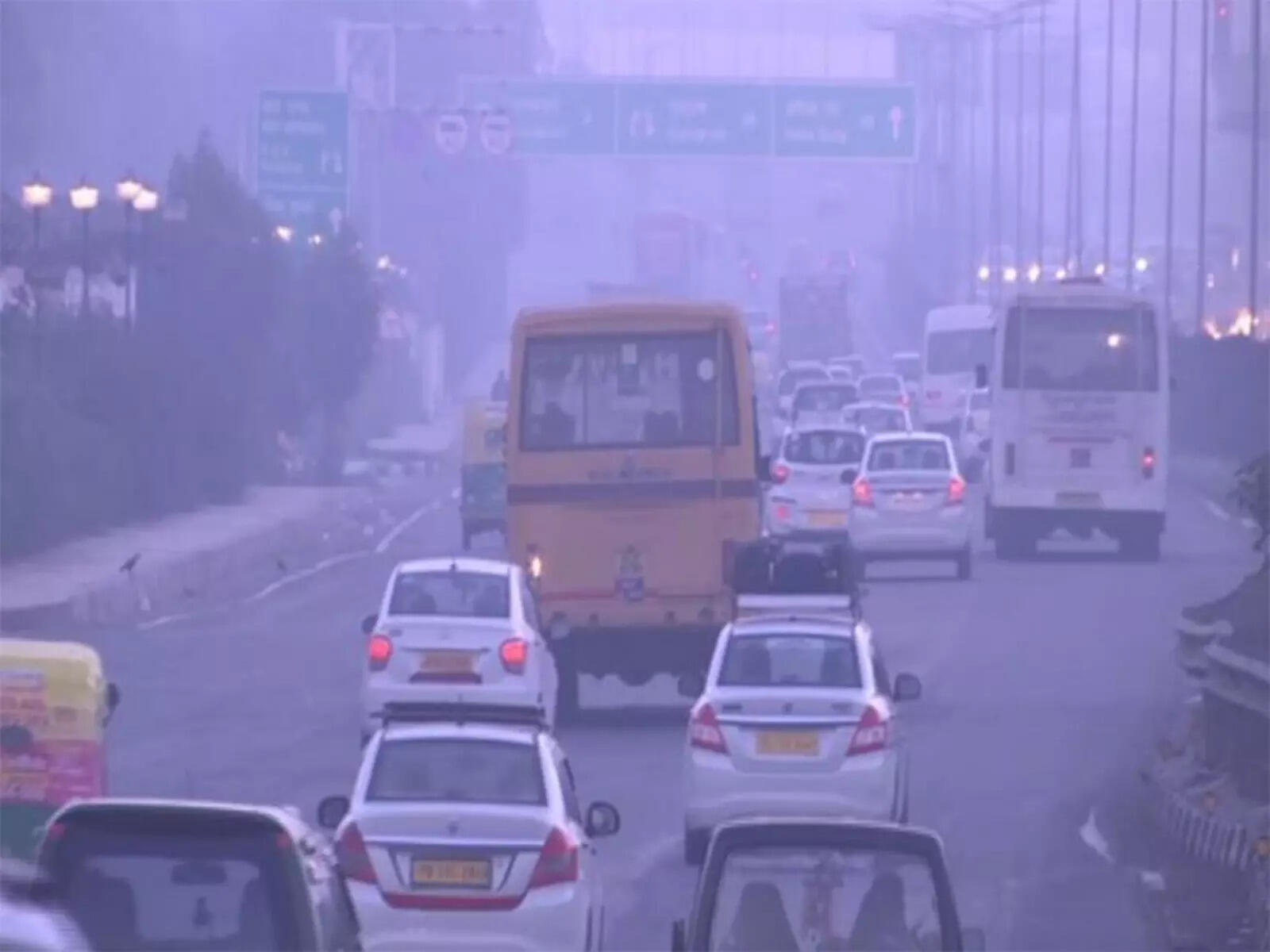
The air quality in Delhi and the surrounding National Capital Region (NCR) has dropped into the "poor" category. In response, authorities have put the first stage of the Graded Response Action Plan, known as GRAP-1, into effect. This plan includes a set of rules designed to stop pollution from getting worse as the air becomes heavy and still. These measures focus on controlling dust, managing waste, and limiting smoke from vehicles and businesses.
Main Impact
The start of GRAP-1 means immediate changes for many people living and working in the region. Construction companies must now follow much stricter rules to keep dust from flying into the air. Road crews will be more active, using machines and water to keep streets clean. For the general public, this means more traffic police on the roads checking for older, polluting vehicles and ensuring everyone has updated pollution certificates.
Local businesses, especially small eateries and hotels, are also affected. They are no longer allowed to use coal or firewood in their kitchens. This shift aims to reduce the amount of smoke released directly into the air at the street level. While these rules help keep the air breathable, they also require businesses and residents to change their daily habits quickly to avoid heavy fines.
Key Details
What Happened
The Commission for Air Quality Management (CAQM) decided to act after the Air Quality Index (AQI) stayed between 201 and 300 for a consistent period. This range is officially labeled as "poor." When the air reaches this level, it can cause breathing discomfort for most people if they stay outside for a long time. To prevent the air from reaching the "very poor" or "severe" levels, the government triggers Stage 1 of the response plan.
Important Numbers and Facts
Under GRAP-1, several specific actions are now mandatory across Delhi-NCR. Construction sites that are larger than 500 square meters must be registered on a government portal. If they do not follow dust control rules, they can be shut down. Authorities have also ordered more frequent mechanical sweeping of roads and the use of water sprinklers to settle dust particles.
The ban on open burning of garbage is now being strictly enforced. Additionally, the use of diesel generator sets is being discouraged unless they are used for essential services. Traffic officials are tasked with reducing congestion at known "hotspots" where idling cars create a lot of smoke. People are also encouraged to turn off their car engines at red lights to save fuel and reduce emissions.
Background and Context
Air pollution in Delhi-NCR is a recurring problem that usually gets worse during certain times of the year. The Air Quality Index (AQI) is a tool used by the government to tell the public how clean or polluted the air is. A low number is good, while a high number means the air is dangerous. When the weather changes and wind speeds drop, pollutants like dust, car exhaust, and smoke get trapped near the ground.
The Graded Response Action Plan (GRAP) was created to provide a clear set of steps to take as pollution rises. Instead of waiting for a health emergency, the government uses these stages to slowly increase restrictions. Stage 1 is the first warning sign. If the AQI continues to climb toward 400 or 500, the rules become much tougher, sometimes even stopping all construction or banning certain types of cars from the road entirely.
Public or Industry Reaction
The reaction to these new rules has been mixed. Many residents are happy to see the government taking early action to protect public health. They hope that by starting these rules now, the city can avoid the thick, dangerous smog that often covers the region later in the season. Health experts have welcomed the move, noting that even "poor" air quality can be hard on children and the elderly.
On the other hand, some industries are worried about the cost of these rules. Construction firms have to spend more money on water and covers for their materials. Small restaurant owners who rely on traditional coal tandoors are finding it difficult to switch to gas or electric ovens on such short notice. However, officials insist that these steps are necessary to keep the city's air safe for everyone.
What This Means Going Forward
If the air quality improves, these rules might be lifted. However, if the AQI moves into the "very poor" category (301-400), Stage 2 of the plan will begin. This would bring even more restrictions, such as higher parking fees to discourage people from driving and more frequent bus and metro services to encourage public transport. The goal is to be proactive rather than waiting for the air to become unbreathable.
Residents are advised to keep their vehicle pollution certificates up to date and avoid using coal or wood for heating or cooking. People with breathing issues should monitor the daily AQI levels and try to stay indoors when the numbers are high. The government will continue to monitor the situation daily and may add more rules if the weather conditions do not help clear the air.
Final Take
The implementation of GRAP-1 is a necessary reminder that air quality remains a major challenge for the region. While the rules might cause some inconvenience for drivers and businesses, they serve as a vital shield against a larger health crisis. Success depends on everyone following the rules and working together to keep the air as clean as possible during these difficult months.
Frequently Asked Questions
What is GRAP-1?
GRAP-1 is the first stage of the Graded Response Action Plan. It is a set of rules that start when the air quality is "poor." It focuses on controlling dust, stopping waste burning, and checking vehicle emissions.
Are cars still allowed to drive in Delhi-NCR?
Yes, cars are still allowed. However, there are stricter checks for Pollution Under Control (PUC) certificates. Drivers of older vehicles or those without valid certificates may face heavy fines.
Can I still use a coal heater or tandoor?
No, under GRAP-1, the use of coal and firewood in hotels, restaurants, and open eateries is banned. This is done to reduce the amount of smoke at the ground level where people breathe.



