
Summary
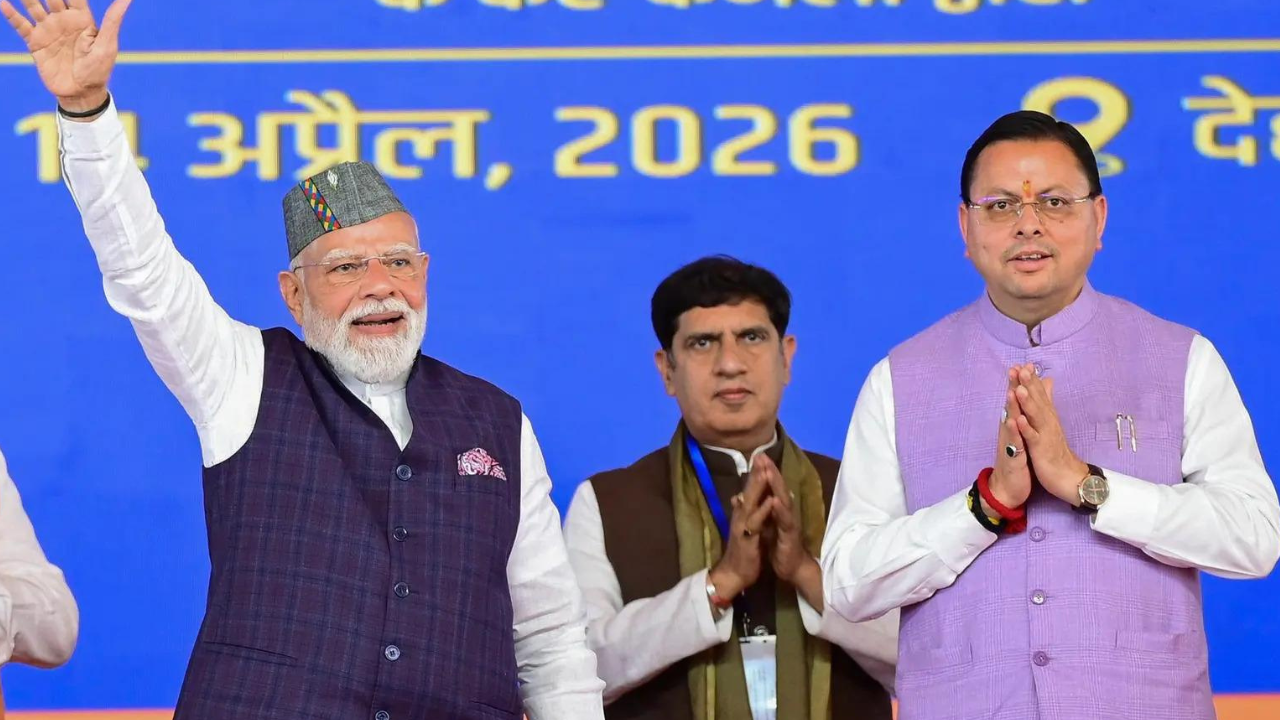
Prime Minister Narendra Modi has officially opened the new Delhi-Dehradun Economic Corridor. This major road project is designed to significantly reduce the time it takes to travel between the national capital and the state of Uttarakhand. By making the journey faster and safer, the government aims to help local businesses grow and make it easier for tourists to visit the mountains. This project is a key part of India's plan to build modern infrastructure that connects different regions more effectively.
Main Impact
The most significant impact of this new highway is the massive reduction in travel time. Previously, driving from Delhi to Dehradun could take up to six hours or more due to heavy traffic and narrow roads. With the opening of this corridor, the travel time has been cut down to just about two and a half hours. This change makes a huge difference for daily commuters, transport companies, and families going on vacation. It also makes the city of Haridwar much easier to reach for pilgrims and visitors.
Key Details
What Happened
The Prime Minister led the inauguration ceremony to mark the completion of this vital transport link. The highway is about 210 kilometers long and is built using the latest engineering methods. It starts from the Akshardham area in Delhi and goes all the way to Dehradun. The road is designed to allow vehicles to travel at higher speeds while maintaining safety. It avoids many of the crowded city centers that used to cause long delays for drivers.
Important Numbers and Facts
The total cost of the project is estimated to be around 13,000 crore rupees. One of the most impressive parts of the highway is a 12-kilometer-long raised section. This part of the road is built high above the ground to allow wildlife to move freely underneath. It is one of the longest roads of its kind in Asia. The corridor is divided into four distinct sections, each designed to improve the flow of traffic and connect smaller towns to the main highway system.
Background and Context
For a long time, the route between Delhi and Dehradun was known for being slow and difficult. Drivers had to pass through many busy towns like Meerut, Muzaffarnagar, and Roorkee. These areas often had narrow streets and a lot of local traffic, which led to constant traffic jams. The government decided to build a "greenfield" highway, which means they created a brand-new path instead of just widening the old one. This approach helps reduce pollution because cars do not have to sit in traffic for hours, and it keeps heavy trucks away from local residential areas.
Public or Industry Reaction
Business owners in Uttarakhand have welcomed the news with excitement. People who run hotels and shops expect a large increase in the number of visitors now that the drive is so much shorter. Farmers in the region are also happy because they can now send their fresh fruits and vegetables to the markets in Delhi much faster. This means their products will stay fresh and they can earn more money. Transport companies have noted that the smooth road will lead to less wear and tear on their trucks, saving them money on repairs and fuel.
What This Means Going Forward
The opening of this corridor is expected to lead to more development along the route. New warehouses, factories, and housing projects are likely to be built near the highway exits. This will create many new jobs for people living in those areas. The government also plans to install many electric vehicle charging stations along the road to encourage people to use cleaner cars. In the long run, this road will serve as a model for how India can build fast transport links while still protecting the environment and helping local economies.
Final Take
The Delhi-Dehradun Economic Corridor is a major achievement for the country's transport network. It solves a long-standing problem of slow travel and opens up new opportunities for growth in both Delhi and Uttarakhand. By focusing on speed, safety, and nature protection, this project shows a modern way to build roads that benefit everyone.
Frequently Asked Questions
How much time does the new road save?
The new highway reduces the travel time from Delhi to Dehradun from about six hours to roughly two and a half hours.
How does the road protect wildlife?
The highway includes a 12-kilometer raised section near the Rajaji National Park. This allows animals like elephants and tigers to pass safely under the road without any risk from traffic.
Where does the Delhi-Dehradun Economic Corridor start?
The road begins near Akshardham in Delhi and provides a direct route all the way to Dehradun, passing through parts of Uttar Pradesh.



