
Summary
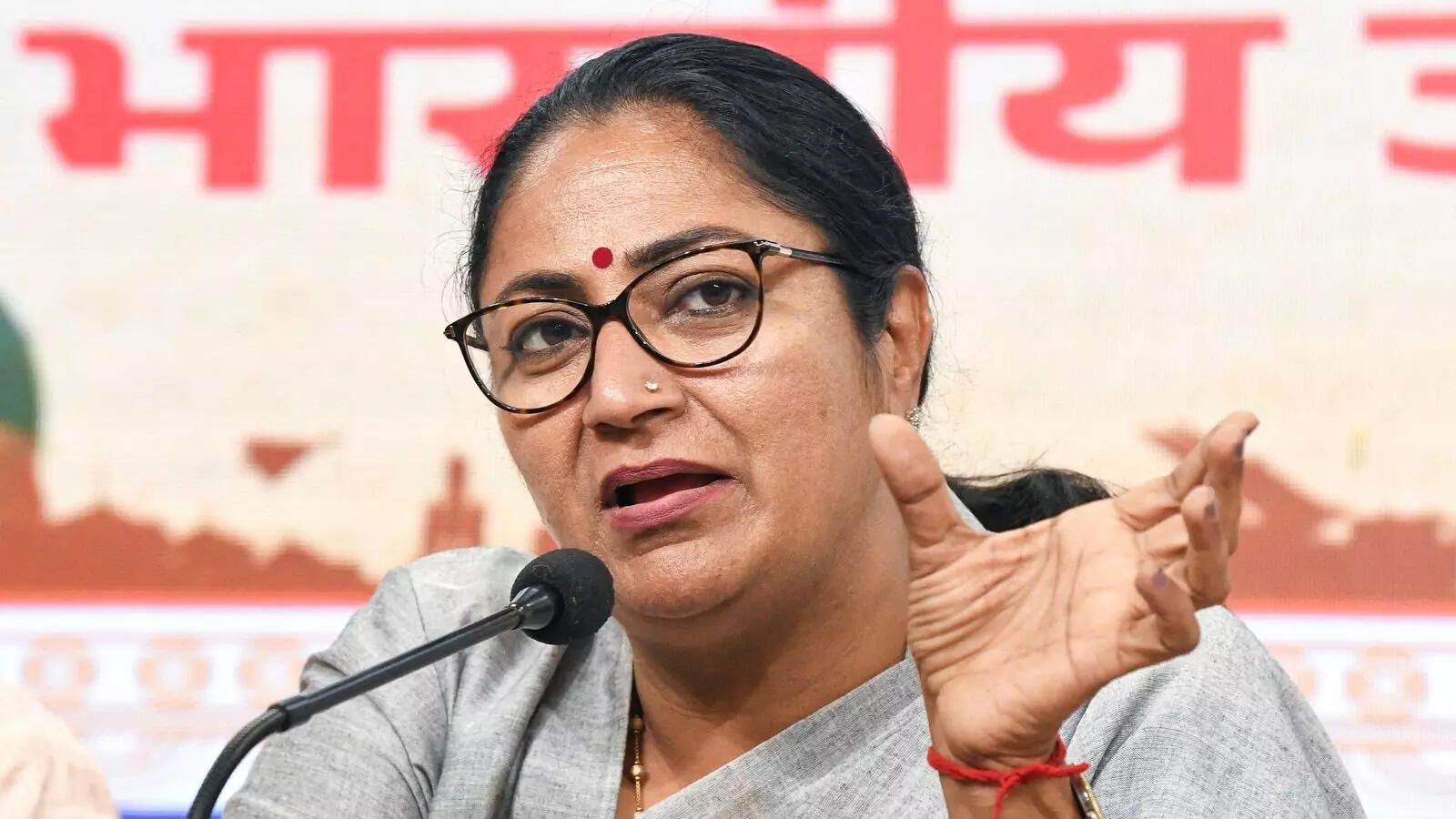
Delhi Chief Minister Rekha Gupta recently held a series of important meetings to prepare for the city's upcoming budget. She met with gig workers, farmers, and daily wage laborers to hear their concerns and suggestions. This move is part of a plan to make the government's financial decisions more inclusive. By talking to these groups, the Chief Minister hopes to create a budget that directly supports the people who drive the city's economy.
Main Impact
The main impact of these consultations is a shift toward a more democratic way of planning government spending. Instead of only talking to business leaders and economists, the government is now listening to delivery partners, taxi drivers, and small-scale farmers. This approach could lead to new policies that provide better social security and financial safety nets for workers who are often ignored in traditional budgets. It signals that the Delhi government wants to focus on the well-being of the working class in the coming year.
Key Details
What Happened
The meetings took place at the Delhi Secretariat, where representatives from various labor unions and worker groups gathered. Chief Minister Rekha Gupta listened to the daily struggles of these workers. Gig workers, who work for app-based delivery and transport services, talked about the need for insurance and fair pay. Farmers from the outskirts of Delhi discussed the rising costs of seeds and the need for better water management. Manual laborers asked for better housing and health facilities near their workplaces.
Important Numbers and Facts
The consultation involved over 50 different worker groups and unions. Current estimates show that Delhi has more than 500,000 gig workers who rely on digital platforms for their income. During the meeting, the Chief Minister noted that the informal sector makes up a huge part of the city's total workforce. The government is looking at the 2026-2027 budget to see how much money can be set aside specifically for worker welfare funds and rural development projects.
Background and Context
The gig economy has grown very fast in Delhi over the last few years. People who deliver food or drive for ride-sharing apps are called gig workers. While these jobs offer flexibility, they often come without benefits like sick leave or medical insurance. At the same time, farmers in the rural parts of Delhi face pressure as the city grows and takes over more land. In the past, these groups have felt that their needs were not a priority during budget season. These new consultations are meant to change that feeling and build trust between the government and the public.
Public or Industry Reaction
The reaction to these meetings has been mostly positive. Many worker unions said they felt respected because the government invited them to speak. They believe this is a sign that their hard work is finally being recognized. However, some industry experts are waiting to see if these talks lead to real action. They argue that listening is a good start, but the real test will be whether the government actually puts money into the programs the workers asked for. Some business groups also hope that the new focus on workers will not lead to higher taxes for companies.
What This Means Going Forward
Looking ahead, the next step is the official presentation of the Delhi budget. The ideas gathered during these meetings will be reviewed by the finance department. If the government includes the suggestions from gig workers and farmers, it could set a new standard for other cities in India. We might see the creation of a dedicated welfare board for app-based workers or new subsidies for local farmers. The success of this initiative will depend on how well the government balances its limited funds with the many needs of its citizens.
Final Take
By bringing ordinary workers into the budget-making process, the Delhi government is trying to make policy more human. This effort shows that the city is paying attention to the changing nature of work and the challenges of modern life. If these consultations result in real support for the working class, it will be a major win for the people who keep Delhi moving every day.
Frequently Asked Questions
What is a pre-budget consultation?
It is a meeting where the government talks to different groups of people to get their ideas and feedback before the final budget is written and approved.
Why are gig workers important for the budget?
Gig workers, like delivery drivers, make up a large part of the workforce. Their needs for insurance and job security are becoming a major part of the city's economic planning.
What do farmers want from the Delhi government?
Farmers are looking for help with the high costs of farming, better access to markets to sell their goods, and protection for their land as the city expands.



