
Summary
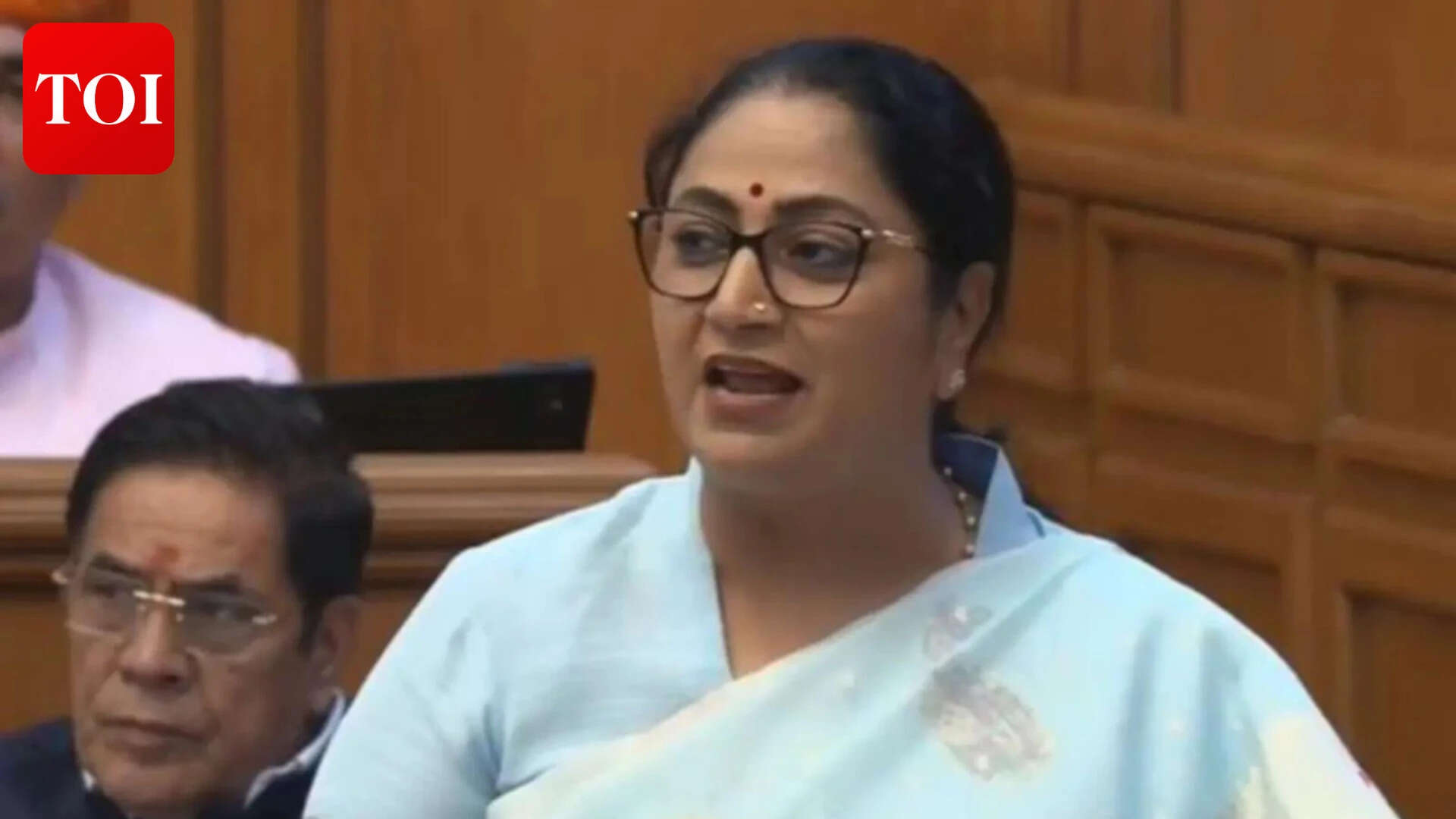
Chief Minister Rekha Gupta has officially launched a new and detailed plan to tackle air pollution in Delhi for the year 2026. This initiative focuses on reducing the thick smog that often covers the city, especially during the colder months. The plan includes strict rules for construction, a major increase in electric public transport, and new technology to track pollution sources in real-time. By taking these steps, the government aims to significantly improve the health and well-being of millions of people living in the capital.
Main Impact
The announcement of the 2026 mitigation plan marks a shift toward more permanent solutions rather than temporary fixes. In the past, the city often reacted only when the air became dangerous. This new strategy moves toward year-round action. The most immediate impact will be felt in the transport and construction sectors, where new regulations will change how businesses operate. For residents, this could mean fewer days of breathing toxic air and a more reliable public transport system that does not rely on fossil fuels.
Key Details
What Happened
Chief Minister Rekha Gupta held a high-level meeting with environmental experts and city officials to finalize the "Clean Air 2026" roadmap. During the meeting, she emphasized that the city needs to move away from emergency measures and focus on daily habits that keep the air clean. The plan highlights fifteen key areas of action, ranging from dust control on roads to the management of waste. A major part of the plan involves working with neighboring states to ensure that smoke from farm fires does not enter the city limits.
Important Numbers and Facts
The 2026 plan comes with several specific targets and financial commitments. The government has set aside a large budget to ensure these goals are met. Key figures from the announcement include:
- The addition of 5,000 new electric buses to the city's fleet by the end of the year.
- A goal to reduce particulate matter (PM 2.5) levels by at least 25% compared to last year.
- The installation of 1,000 new low-cost air quality sensors across every neighborhood to provide local data.
- A total ban on the use of coal in all registered industrial units within the city limits.
- The creation of "Green War Rooms" that will operate 24 hours a day to handle complaints about illegal burning or dust.
Background and Context
Delhi has struggled with poor air quality for many years. The problem is caused by a mix of factors, including heavy traffic, dust from building sites, and smoke from factories. During the winter, the situation usually gets worse because the cold air traps pollutants near the ground. This creates a thick layer of smog that can cause serious breathing problems, heart issues, and other health concerns for children and the elderly. In simple terms, the air often contains tiny bits of soot and chemicals that are too small to see but are very harmful when breathed in. This new plan is the latest attempt to solve a problem that has affected the city for decades.
Public or Industry Reaction
The reaction to the plan has been mixed. Many environmental groups have praised the Chief Minister for focusing on long-term goals and electric vehicles. They believe that adding more buses will help people leave their cars at home. However, some small business owners and construction companies are worried. They argue that the new rules might make their work more expensive or cause delays. Residents, on the other hand, are hopeful but cautious. Many people have seen similar plans in the past and are waiting to see if the government will truly follow through with the rules and fines.
What This Means Going Forward
In the coming months, residents can expect to see more "smog guns" on the streets, which spray water into the air to settle dust. There will also be more frequent checks on vehicle emissions. The government plans to launch a mobile app where citizens can take photos of pollution and send them directly to officials for action. If these steps work, Delhi could become a model for other cities in India that are facing similar challenges. The success of the plan will depend on how well the different government departments work together and whether the public follows the new guidelines.
Final Take
The 2026 air pollution plan is a bold step toward a healthier future for Delhi. While the targets are difficult, the focus on technology and electric transport shows a modern approach to an old problem. Real change will require everyone to participate, from large factories to individual drivers. If the government stays committed to these rules, the city may finally see a year where the sky stays blue even during the winter months.
Frequently Asked Questions
What is the main goal of the 2026 pollution plan?
The main goal is to reduce harmful air pollutants by 25% through better transport, dust control, and stricter rules for industries.
How will the plan affect daily commuters?
Commuters will have access to 5,000 more electric buses, making it easier to use public transport and reducing the need for private cars that cause pollution.
What happens to people who break the new pollution rules?
The government has set up "Green War Rooms" to monitor the city. Those caught burning waste or failing to control dust at construction sites will face heavy fines.



