
Summary
While many parts of the global economy are struggling due to the war with Iran, the United States defense industry is seeing record growth. Major military contractors are receiving billions of dollars in new orders as the government works to replace weapons used in recent conflicts. This surge in business is driven by high military spending under the Trump administration and the need to refill empty weapon storehouses. For these companies, the current political and global situation has created a period of massive financial gain.
Main Impact
The primary effect of this situation is a massive transfer of taxpayer money to private defense firms. As the U.S. military uses up its supplies of missiles and ammunition in the Middle East, the Pentagon must spend heavily to buy more. This has led to a historic rise in the stock prices and order books of the country’s largest military builders. The shift is not just about the current war; it represents a long-term change in how the government spends its money, with a larger share of the budget going to private companies than in previous decades.
Key Details
What Happened
The U.S. military has been using its most advanced weapons at a high rate. The conflict with Iran required a large number of missiles and bombs in its early stages. At the same time, the U.S. has sent many of its existing supplies to help other countries, such as Ukraine. This has left the military with low stocks of essential equipment. To fix this, the government is signing huge contracts with private firms to build new jets, ships, and missile systems as quickly as possible.
Important Numbers and Facts
The scale of spending is much higher than in previous years. For 2026, Congress approved a record $901 billion for defense. President Trump has asked for even more in 2027, requesting a $1.5 trillion budget. This would be a 40% increase in spending. Additionally, the Pentagon recently asked for another $200 billion specifically to cover the costs of the war in Iran.
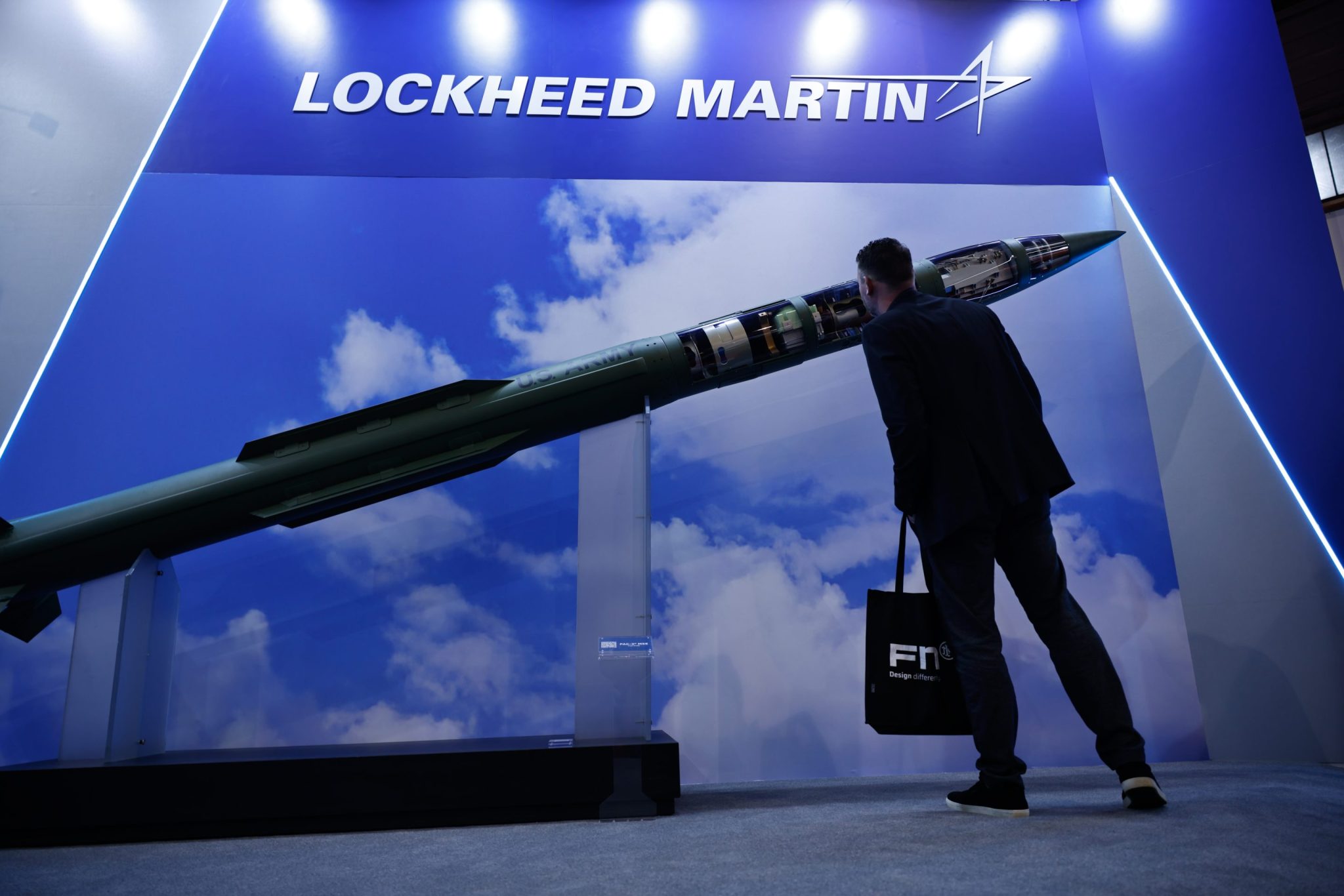
The companies making these weapons have massive amounts of work waiting for them. Lockheed Martin reported a record $194 billion in future orders. Another firm, RTX, has $107 billion in defense orders waiting to be filled. These "backlogs" mean that even if the war ended tomorrow, these companies would still be busy building weapons for years to come.
Background and Context
In the past, the government did more of its own military work, but that has changed. In the 1990s, about 41% of the defense budget went to private companies. Today, that number has grown to 54%. This means that more than half of all military spending now goes directly to private businesses. The five biggest firms—Lockheed Martin, RTX, Boeing, General Dynamics, and Northrop Grumman—have become the main beneficiaries of this trend.
The need for new weapons is urgent. A recent study showed that the U.S. used up half of its most expensive missiles in just the first seven weeks of the Iran war. Experts worry that if another conflict starts elsewhere, the U.S. might not have enough supplies ready. Replacing these items is not fast; it can take between one and four years to build enough new munitions to return to safe levels.
Public or Industry Reaction
Leaders in the defense industry are very positive about their future. The CEO of Lockheed Martin called the current situation a "golden opportunity" because of the government's willingness to spend. He noted that the current administration is very focused on modernizing the military and buying new technology. Defense Secretary Pete Hegseth defended the high costs, telling reporters that "it takes money to kill bad guys."
However, there are concerns about where this money will come from. President Trump has suggested that the massive increase in military spending might require cutting funds for programs that help regular citizens. This could include reductions in spending for Medicare and Medicaid, which provide healthcare for the elderly and low-income families.
What This Means Going Forward
The defense industry is likely to stay busy for a long time. Because it takes years to build complex weapons like fighter jets and missile shields, these companies have guaranteed income for the foreseeable future. There is also a push to increase production speeds. Defense executives recently met with the President to discuss quadrupling their production targets to meet the high demand.
While U.S. firms are doing well at home, they may face more competition in Europe. European countries are also spending more on defense, but they are starting to favor their own local companies over American ones. Despite this, the demand from the U.S. government alone is enough to keep American contractors highly profitable for years.
Final Take
The combination of active war and a government focused on military growth has created a unique era of profit for defense contractors. While the high spending helps restock the military, it also forces difficult choices about the national budget. For the companies building the weapons, the next few years look like a period of record-breaking success.
Frequently Asked Questions
Why are defense companies making so much money right now?
They are making money because the U.S. government is spending record amounts to replace weapons used in the Iran war and to modernize the military. The 2027 budget request alone is $1.5 trillion.
Which companies are benefiting the most?
The largest "Big Five" firms are the main winners. These include Lockheed Martin, RTX (formerly Raytheon), Boeing, General Dynamics, and Northrop Grumman. These companies have hundreds of billions of dollars in orders waiting to be filled.
How long will it take to replace the used weapons?
Experts estimate it will take between one and four years to restock the missiles and ammunition that have been used. This ensures that defense firms will have steady work for several years.



