
Summary
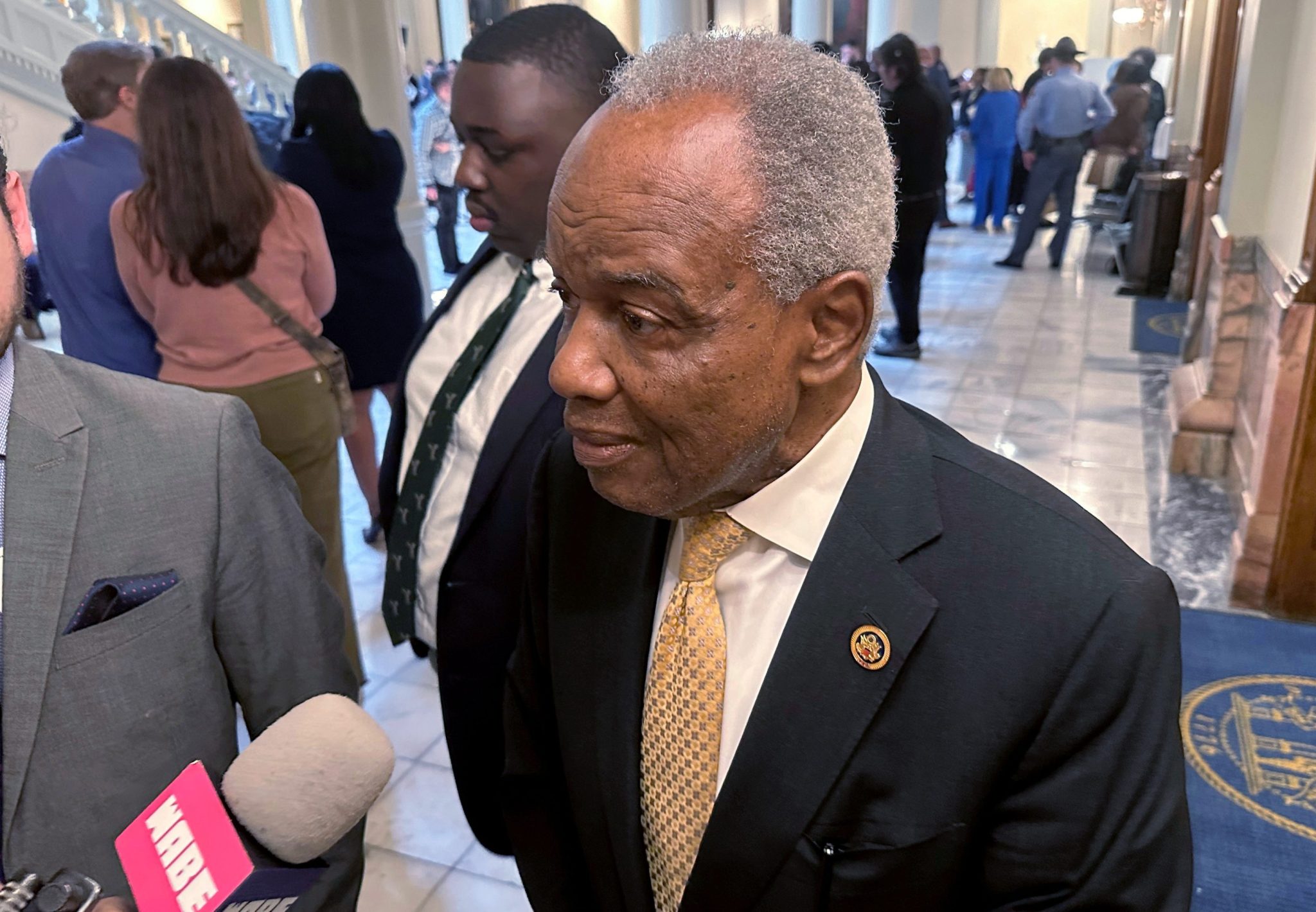
U.S. Representative David Scott, a long-serving Democrat from Georgia, has passed away at the age of 80. He was a historic figure in Washington, serving as the first Black chairman of the House Agriculture Committee. Scott was in the middle of a campaign for his 13th term in Congress when he died. His career spanned decades, moving from the Georgia state legislature to the halls of the U.S. Capitol, where he became a key voice for farmers and students.
Main Impact
The death of Congressman Scott has an immediate effect on the balance of power in the U.S. House of Representatives. His passing leaves a vacant seat, which slightly increases the narrow lead held by the Republican party. Beyond politics, his death marks the loss of a senior leader who focused heavily on food policy and rural aid. He was a bridge between different groups within the Democratic party, often working to balance the needs of urban voters with those of the farming community.
Key Details
What Happened
David Scott died while still serving his 12th term in office. He had been facing questions about his health for several years, which led to challenges from other members of his own party during recent elections. Despite these concerns and being removed from a top committee role in 2024, Scott remained committed to his work. He had recently qualified to run for re-election again before his passing was announced on Wednesday.
Important Numbers and Facts
Scott’s career was defined by several major milestones and figures:
- 80 years old: His age at the time of his death.
- 13 terms: The number of terms he was seeking in the U.S. House.
- $80 million: The amount of funding he secured for scholarships at historically Black land-grant colleges in the 2018 Farm Bill.
- 19 campuses: The number of schools that benefited from his work on agriculture education.
- 4th Democrat: Scott is the fourth Democratic member of the House to die during the current session of Congress.
Background and Context
David Scott was born in 1945 in South Carolina during a time when laws kept Black and white people separate. He grew up in several states, including Pennsylvania and Florida, before finding success in business and politics. He was highly educated, earning degrees from Florida A&M University and the University of Pennsylvania’s Wharton School. Before entering Congress, he ran a successful advertising business in Atlanta.
His political journey began in the 1970s. He worked on the campaign of Andrew Young, a famous civil rights leader. Scott later served in both the Georgia House of Representatives and the Georgia Senate. By the time he reached Congress in 2002, he was known as a moderate. He was part of the "Blue Dog" caucus, a group of Democrats who often held more conservative or middle-of-the-road views on money and social issues. Over time, his voting record moved closer to the main views of the Democratic party.
Public or Industry Reaction
Leaders in Washington were quick to honor Scott’s memory. House Minority Leader Hakeem Jeffries called him a "trailblazer" and praised his rise from humble beginnings. Jeffries noted that Scott deeply cared about the people he represented in Georgia. The White House ordered flags to be flown at half-staff as a sign of respect. Members of the Congressional Black Caucus also held a moment of silence during their weekly meeting when they heard the news. Even those who were running against him in the upcoming primary described him as a friend and a dedicated public servant.
What This Means Going Forward
The state of Georgia now faces the task of filling Scott’s seat. Officials must organize a special election to choose someone to finish the rest of his current term. This process is complicated because the regular primary elections for the next full term are already scheduled to begin soon. Voters in his district will likely have to vote multiple times to decide who will represent them both now and in the future. Within the House of Representatives, Democrats will also need to permanently fill his roles on various committees, including his influential work on agriculture and veteran affairs.
Final Take
David Scott’s life was a clear example of how much the American political system changed during his lifetime. He grew up in the segregated South and rose to lead one of the most important committees in the federal government. While his later years were marked by debates over his health and age, his long record of securing money for education and helping veterans remains his primary legacy. His passing leaves a gap in Georgia leadership that will be difficult to fill during a tense election year.
Frequently Asked Questions
Who was David Scott?
David Scott was a Democratic congressman from Georgia who served in the U.S. House of Representatives for over 20 years. He was the first Black person to chair the House Agriculture Committee.
How will his seat in Congress be filled?
Georgia will hold a special election to choose a replacement to finish his current term. At the same time, regular elections will proceed to decide who will hold the seat for the next two-year term starting in 2027.
What were his biggest achievements?
He is best known for securing $80 million for scholarships at historically Black colleges (HBCUs) and for his work on the 2018 Farm Bill. He also focused on housing aid and healthcare for military veterans.



